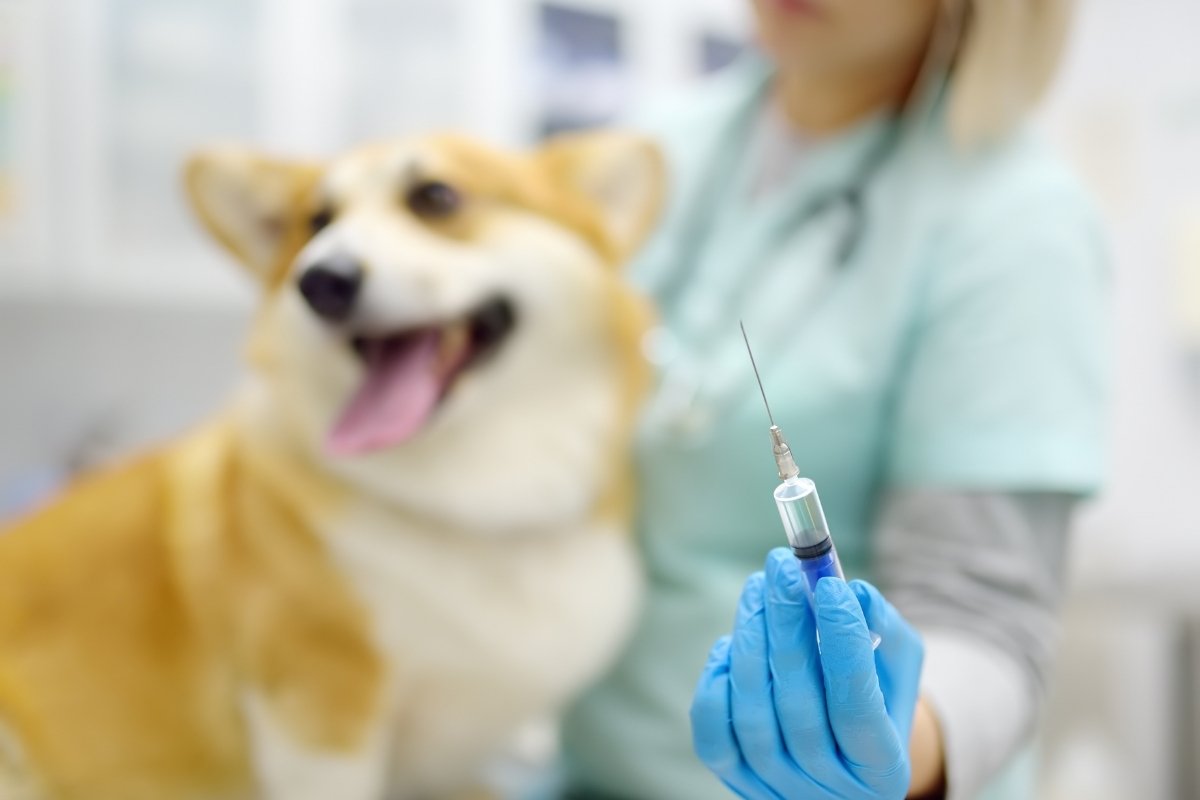
Vaccinations are a vital component of keeping dogs healthy and protected from serious diseases. While many dog owners understand that vaccines are important, there can be confusion about which vaccines are truly necessary and how often they should be given. Providing the right vaccines at the right time helps prevent illness and supports your dog’s overall well-being.
At Belton Animal Clinic & Exotic Care Center, we work closely with pet owners to develop vaccination schedules that meet the specific needs of each dog. From puppies to senior dogs, understanding which vaccines are essential versus optional can help owners make informed decisions and maintain effective pet preventive care.
This guide explores the core and non-core vaccines for dogs, explains how vaccination schedules are determined, and provides tips for keeping your dog healthy year-round. These insights are particularly helpful for pet owners in Belton, MO, looking to protect their furry companions from preventable diseases.
Core vs. Non-Core Vaccines
Core Vaccines
Core vaccines are considered essential for all dogs, regardless of their environment or lifestyle. They protect against diseases that are widespread, severe, or potentially fatal. Common core vaccines include:
- Rabies – Protects against a fatal viral infection that can affect both dogs and humans. Required by law in most areas.
- Distemper – Prevents a highly contagious and often deadly disease affecting the respiratory, gastrointestinal, and nervous systems.
- Parvovirus – Protects against a contagious virus that causes severe gastrointestinal illness, particularly dangerous in puppies.
- Adenovirus (Canine Hepatitis) – Protects against liver disease caused by canine adenovirus.
Non-Core Vaccines
Non-core vaccines are recommended based on your dog’s lifestyle, geographic location, and risk factors. Your veterinarian can help determine which of these may be necessary:
- Bordetella (Kennel Cough) – Recommended for dogs in frequent contact with other dogs (e.g., daycare, boarding).
- Leptospirosis – Protects against a bacterial infection that can affect both dogs and humans.
- Lyme Disease – Recommended for dogs in areas where ticks carrying Borrelia burgdorferi are common.
- Canine Influenza – Protects against flu viruses that can cause respiratory illness in dogs.
Puppy Vaccination Schedule
Puppies have immature immune systems, so vaccines must be given in a series to ensure protection. A typical schedule includes:
- 6–8 weeks: Distemper, Parvovirus
- 10–12 weeks: Second round of Distemper, Parvovirus, Adenovirus, optional non-core vaccines
- 14–16 weeks: Final core vaccines, Rabies
- Annual boosters: To maintain immunity
Your veterinarian may adjust this schedule based on your puppy’s breed, health status, and risk factors.
Adult Dog Vaccination Schedule
Adult dogs require booster vaccinations to maintain immunity. Core vaccines are typically boosted every 1–3 years, depending on the vaccine type and local regulations. Non-core vaccines may be given annually or as needed based on exposure risk.
Keeping your dog’s vaccination records up to date is essential for routine vet visits, boarding, travel, and compliance with local laws.
The Importance of Pet Preventive Care
Vaccinations are one of many aspects of pet preventive care that help ensure a long, healthy life for your dog. Routine veterinary visits allow for early detection of health issues, nutritional guidance, dental care, and parasite prevention. Combining vaccination with these preventive measures maximizes your dog’s protection.
Signs Your Dog May Need a Vet Visit
Even vaccinated dogs can occasionally experience illness or complications. Watch for:
- Lethargy or unusual fatigue
- Loss of appetite
- Vomiting or diarrhea
- Coughing, sneezing, or nasal discharge
- Skin irritations or unusual lumps
Prompt attention from a veterinarian can prevent minor issues from becoming serious health problems.
Ensuring your dog receives the right vaccinations is a multi-step process that requires planning, care, and attention. By following recommended vaccination schedules and preventive care measures, you can help keep your dog protected against serious illnesses. If you have any questions about which vaccines are necessary for your dog, feel free to contact us at Belton Animal Clinic & Exotic Care Center. We are here to provide expert guidance and support every step of the way.
Keeping your dog healthy can feel overwhelming at times, but with proper vaccination and preventive care, you can significantly reduce the risk of disease. If you’re located in Belton, MO, and want to ensure your dog receives the best preventive care, we encourage you to schedule an appointment with our experienced team at Belton Animal Clinic & Exotic Care Center today.
FAQs
Q1. What are the core vaccines for dogs?
Ans. Core vaccines protect against rabies, distemper, parvovirus, and adenovirus, which are essential for all dogs.
Q2. Are non-core vaccines necessary?
Ans. Non-core vaccines depend on your dog’s lifestyle, exposure risk, and location. Your veterinarian can recommend what’s appropriate.
Q3. How often should adult dogs get vaccinated?
Ans. Core vaccines are typically boosted every 1–3 years, while non-core vaccines may require annual administration.
Q4. Can vaccines cause side effects?
Ans. Most dogs tolerate vaccines well. Mild reactions may include soreness, fatigue, or low-grade fever. Serious reactions are rare.
Q5. When should puppies start their vaccines?
Ans. Puppies generally begin their vaccination series at 6–8 weeks of age and continue through 16 weeks.
Q6. Can vaccinated dogs still get sick?
Ans. Yes, no vaccine is 100% protective, but vaccines greatly reduce the risk of severe disease.