Welcoming a new puppy or kitten into your home comes with many responsibilities, and one of the most important is ensuring they receive timely vaccinations. Vaccines play a critical role in protecting young pets from serious and potentially life-threatening diseases. At Belton Animal Clinic & Exotic Care Center, veterinarians help pet owners navigate vaccine schedules to ensure their pets get the best possible start in life. This guide provides essential information for all pet owners, helping you stay informed about when and why your puppy or kitten needs vaccinations.
Why Vaccination Timing Matters
Young pets are especially vulnerable to infections because their immune systems are still developing. While they may receive some immunity from their mother’s milk, this protection fades quickly.
Vaccinations help:
- Build strong immunity against common diseases
- Prevent the spread of contagious illnesses
- Reduce the risk of severe complications
- Support long-term health and wellness
Following the correct schedule ensures your pet is protected at the right stages of development.
Core Vaccines for Puppies
Puppies require a series of vaccinations during their first few months of life. These typically include:
- Distemper
- Parvovirus
- Adenovirus (Hepatitis)
- Rabies
Typical Puppy Vaccination Timeline
- 6–8 weeks: First round of core vaccines
- 10–12 weeks: Booster shots
- 14–16 weeks: Final booster and rabies vaccine
Additional non-core vaccines, such as Bordetella or Lyme disease, may be recommended based on lifestyle and environment.
Core Vaccines for Kittens
Kittens also follow a structured vaccination schedule to protect against common feline diseases:
- Feline Viral Rhinotracheitis
- Calicivirus
- Panleukopenia
- Rabies
Typical Kitten Vaccination Timeline
- 6–8 weeks: First combination vaccine (FVRCP)
- 10–12 weeks: Booster dose
- 14–16 weeks: Final booster and rabies vaccine
Non-core vaccines, such as feline leukemia (FeLV), may be recommended depending on exposure risk.
What to Expect During Vaccination Visits
Vaccination appointments are an important part of your pet’s early healthcare routine. During the visit, your veterinarian will:
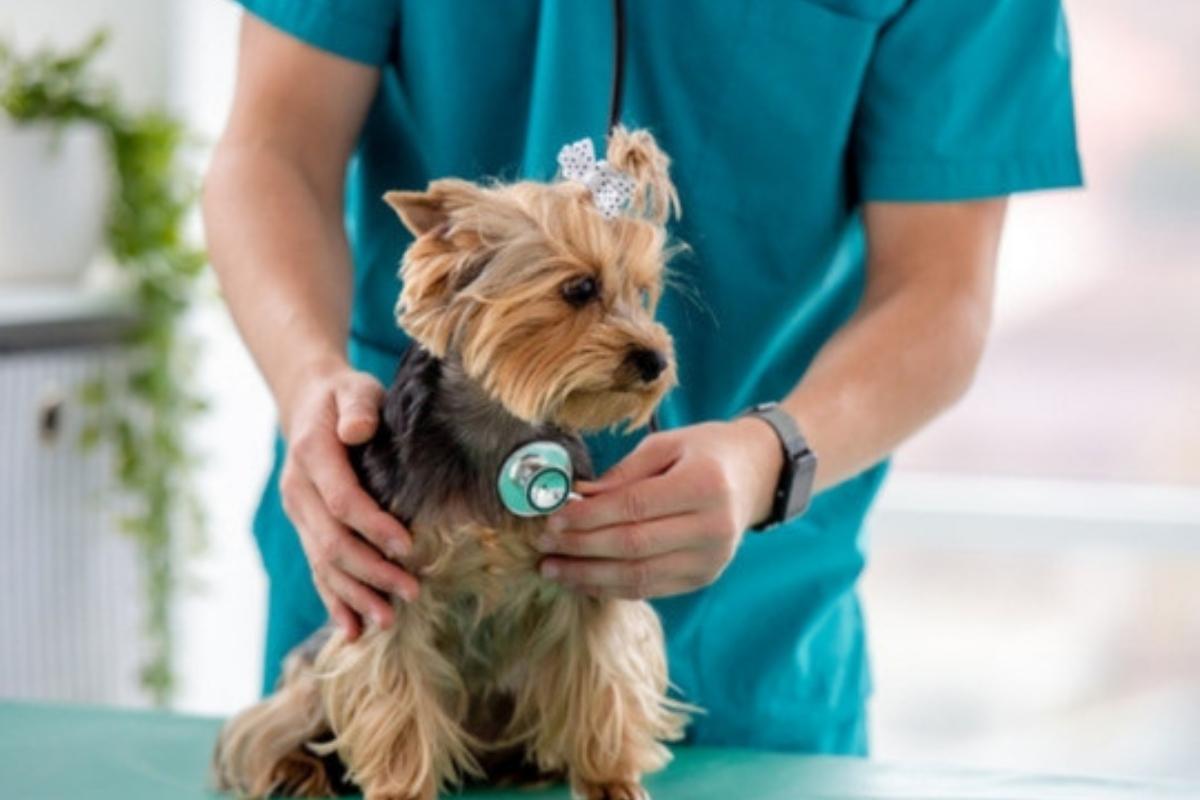
- Perform a physical examination
- Review your pet’s health history
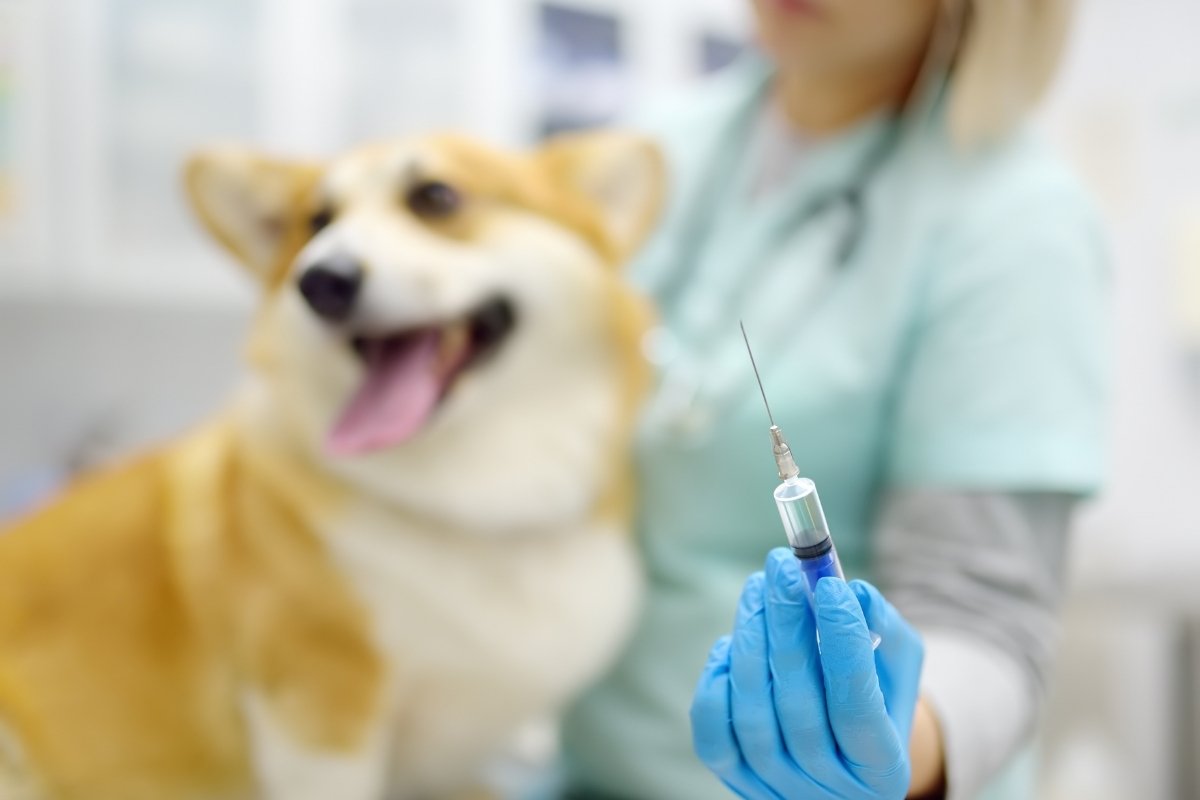
- Administer the appropriate vaccines
- Provide guidance on nutrition, behavior, and general care
These visits are also an opportunity to ask questions and address any concerns.
Possible Side Effects of Vaccines
Most pets tolerate vaccines very well, but mild side effects can occur, including:
- Temporary soreness at the injection site
- Mild fever
- Reduced appetite
- Slight lethargy
These symptoms usually resolve within a day or two. If you notice severe reactions such as swelling, vomiting, or difficulty breathing, contact your veterinarian immediately.
The Importance of Booster Shots
Initial vaccines require follow-up booster shots to maintain immunity. Skipping boosters can leave your pet vulnerable to disease.
As your pet grows, annual or periodic vaccinations will be recommended as part of ongoing pet preventive care, helping maintain long-term protection.
Tips for Staying on Schedule
Keeping track of vaccination timelines can feel overwhelming, but a few simple steps can help:
- Set reminders for upcoming appointments
- Keep a record of your pet’s vaccinations
- Follow your veterinarian’s recommendations
- Schedule visits in advance
Consistency is key to ensuring your pet remains protected during their early development.
When to Consult a Veterinarian
If you’re unsure about your pet’s vaccination schedule or have questions about specific vaccines, professional guidance is essential. Schedule your appointment with Belton Animal Clinic & Exotic Care Center to ensure your puppy or kitten receives the right vaccines at the right time.
Frequently Asked Questions
Q1. When should I start vaccinating my puppy or kitten?
Ans. Vaccinations typically begin at 6–8 weeks of age, depending on your pet’s health and history.
Q2. Are vaccines really necessary for indoor pets?
Ans. Yes, even indoor pets can be exposed to diseases, making vaccinations important for their protection.
Q3. How many vaccines do puppies and kittens need?
Ans. Both require a series of initial vaccines followed by booster shots to maintain immunity.
Q4. Can vaccines cause serious side effects?
Ans. Serious reactions are rare, but it’s important to monitor your pet after vaccination and contact your veterinarian if needed.
Q5. What happens if I miss a vaccine appointment?
Ans. Your veterinarian can adjust the schedule, but it’s best to stay on track for optimal protection.
Q6. Do adult pets still need vaccines?
Ans. Yes, adult pets require periodic booster shots as part of their long-term healthcare plan.