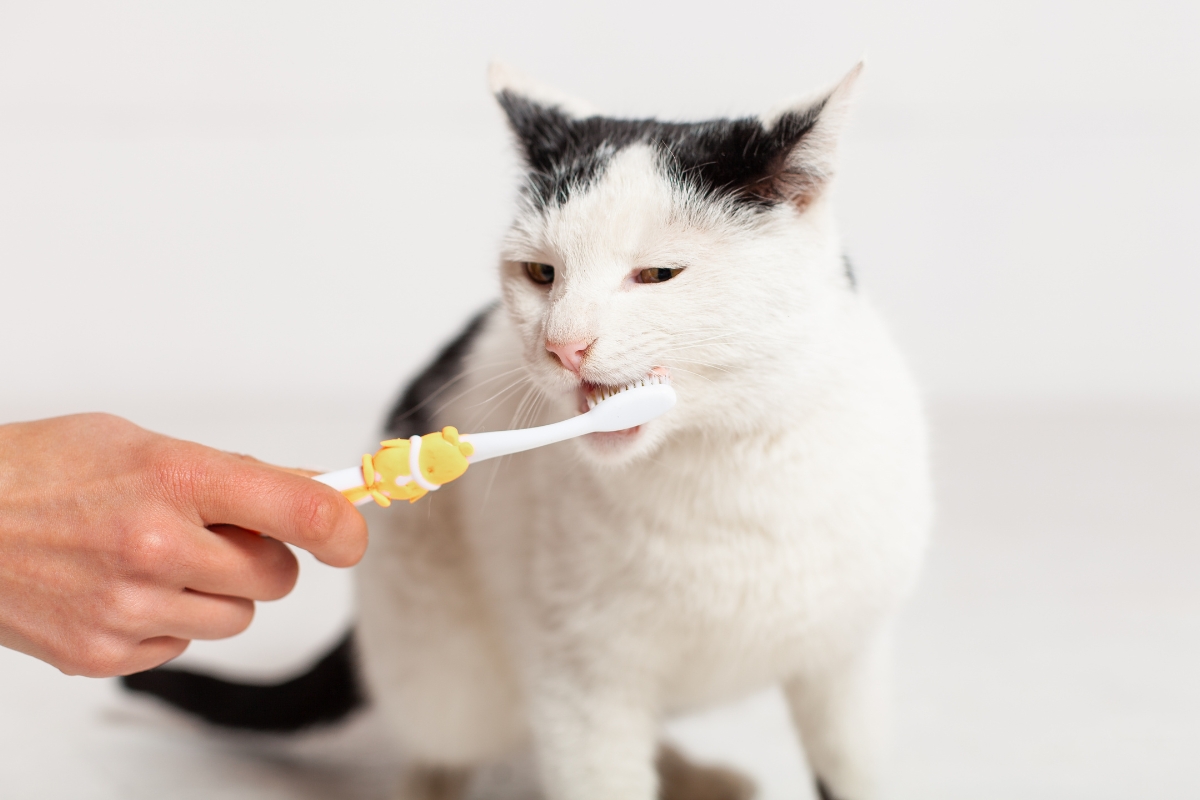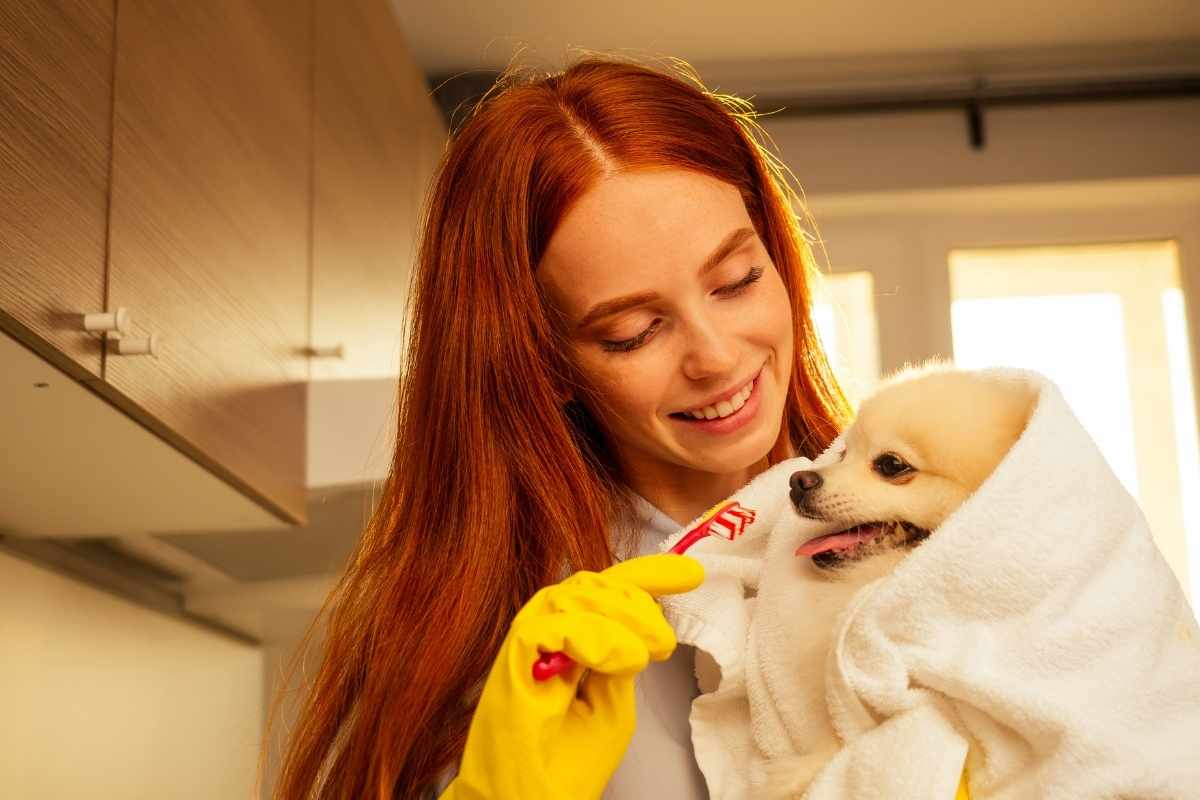
Brushing your dog’s teeth is one of the most important yet often overlooked aspects of their overall health. Many dogs resist the process at first, making it challenging for pet owners to maintain a consistent routine. At Belton Animal Clinic & Exotic Care Center, veterinarians frequently help pet owners develop effective strategies for managing at-home dental hygiene. For those in Belton, MO, learning the right techniques can make brushing less stressful and more successful for both you and your dog.
This guide is designed to help all pet owners – regardless of location – build a safe and effective toothbrushing routine, even for reluctant dogs.
Why Brushing Your Dog’s Teeth Matters
Dental disease is one of the most common health issues in dogs. Without regular brushing, plaque and tartar can build up, leading to:
- Bad breath
- Gum disease
- Tooth loss
- Pain and discomfort
- Potential impact on overall health
Routine brushing helps prevent these issues and supports your dog’s long-term well-being.
What You’ll Need Before You Start
Before brushing your dog’s teeth, gather the right tools:
- A dog-specific toothbrush or finger brush
- Pet-safe toothpaste (never use human toothpaste)
- Treats or rewards for positive reinforcement
- A calm, quiet environment
Having everything ready will make the process smoother and more efficient.
Step-by-Step Guide to Brushing Your Dog’s Teeth
Step 1: Start Slowly
If your dog isn’t used to having their mouth handled, begin by gently touching their muzzle and lifting their lips. Reward calm behavior to build trust.
Step 2: Introduce the Toothpaste
Let your dog taste the toothpaste before brushing. Many pet toothpastes are flavored to make the experience more enjoyable.
Step 3: Use Gentle Motions
Place the toothbrush at a 45-degree angle to the gum line and use small, circular motions. Focus on the outer surfaces of the teeth, where plaque tends to accumulate.
Step 4: Keep Sessions Short
Start with just a few seconds and gradually increase the duration as your dog becomes more comfortable.
Step 5: Reward Your Dog
Always end the session on a positive note with praise or a treat. This helps your dog associate brushing with a positive experience.
Tips for Dogs That Resist Brushing
If your dog strongly resists, try these strategies:
- Brush at a time when your dog is calm or tired
- Use flavored toothpaste to make it more appealing
- Break the process into smaller steps over several days
- Stay patient and avoid forcing the process
Consistency and positive reinforcement are key to success.
How Often Should You Brush?
Ideally, you should brush your dog’s teeth daily. However, even brushing a few times per week can significantly improve oral health.
In addition to brushing, maintaining pet dental care through regular veterinary check-ups is essential for preventing more serious issues.
Alternatives to Brushing
While brushing is the most effective method, some alternatives can help support dental health:
- Dental chews
- Water additives
- Prescription dental diets
- Professional cleanings
These options can complement brushing but should not replace it entirely.
Signs of Dental Problems in Dogs
Even with regular brushing, it’s important to watch for signs of dental issues:
- Persistent bad breath
- Red or bleeding gums
- Difficulty eating
- Loose or missing teeth
- Excessive drooling
If you notice any of these symptoms, consult your veterinarian promptly.
When to Seek Professional Help
If brushing remains difficult or your dog shows signs of dental disease, professional care may be necessary. Schedule your appointment with Belton Animal Clinic & Exotic Care Center to ensure your dog receives expert dental evaluation and treatment.
Frequently Asked Questions:
Q1. How do I get my dog used to toothbrushing?
Ans. Start slowly, use positive reinforcement, and gradually increase the duration of each session.
Q2. Can I use human toothpaste for my dog?
Ans. No, human toothpaste contains ingredients that can be harmful to dogs.
Q3. What if my dog refuses to let me brush their teeth?
Ans. Try introducing the process gradually and use treats or flavored toothpaste to make it more appealing.
Q4. How long should brushing take?
Ans. A typical session can last 1–2 minutes once your dog becomes comfortable.
Q5. Are dental treats enough to clean my dog’s teeth?
Ans. Dental treats can help, but should not replace regular brushing.
Q6. When should I schedule a professional dental cleaning?
Ans. Your veterinarian can recommend a cleaning schedule based on your dog’s age and dental health.