Deciding whether your aging pet is a candidate for surgery can be challenging. While surgery can offer relief from pain, correct serious health issues, or improve quality of life, age can influence risks and recovery. Pet owners often wonder: at what point does age make surgery unsafe, and how can we ensure our senior pets have the best outcomes?
At Belton Animal Clinic & Exotic Care Center, we help pet owners navigate these decisions with careful consideration of their pet’s overall health, medical history, and lifestyle. From assessing risks to understanding recovery expectations, every step is crucial for safe and effective pet surgery.
This guide explores the factors that determine whether an older pet can undergo surgery, the potential risks and benefits, and strategies to ensure the best outcomes. These insights are especially helpful for pet owners in Belton, MO, who want to make informed decisions for their senior pets.
Understanding Age and Surgical Risk
Age alone is rarely the sole reason to avoid surgery. Instead, veterinarians assess:
- Overall health: Chronic conditions like heart, kidney, or liver disease can increase surgical risks.
- Weight and nutrition: Underweight or malnourished pets may face slower recovery.
- Mobility and activity level: Active pets often tolerate procedures better than sedentary ones.
- Type of surgery: Minor procedures carry less risk than major operations.
Senior pets often require additional pre-operative evaluations to ensure anesthesia safety and identify potential complications.
Pre-Surgery Evaluations for Older Pets
Before surgery, veterinarians typically recommend a series of tests to assess your pet’s readiness:
- Blood work: Checks kidney, liver, and blood cell function.
- Urinalysis: Evaluates kidney health and hydration status.
- X-rays or Ultrasound: Assesses heart and internal organ function.
- Cardiac exams: Especially for pets with known heart conditions.
These assessments allow your veterinarian to develop a tailored surgical plan, ensuring your pet receives the safest care possible.
Benefits of Surgery in Senior Pets
Even older pets can benefit greatly from surgery when indicated:
- Relief from painful conditions like arthritis or torn ligaments.
- Removal of tumors or growths before they worsen.
- Correction of congenital or age-related issues affecting quality of life.
- Extended mobility and comfort, leading to better daily function.
With proper planning and post-operative care, many senior pets recover successfully and enjoy improved health and comfort.
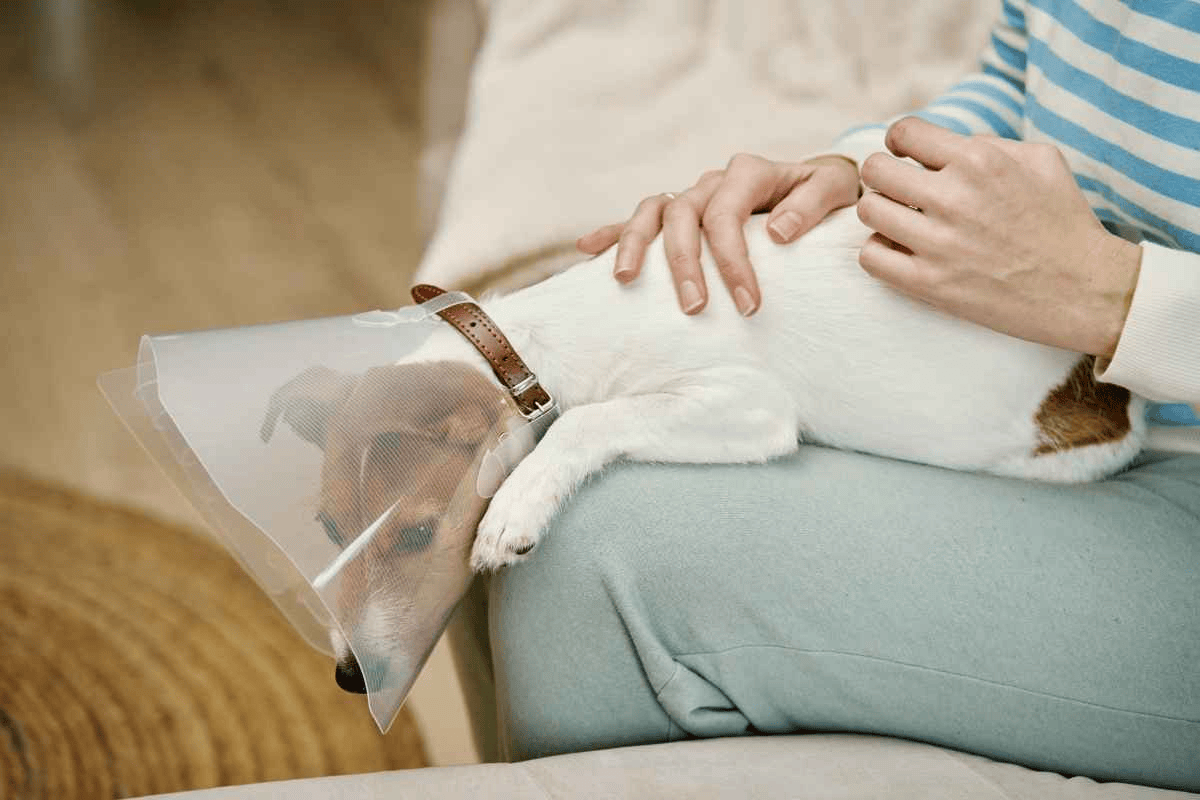
Post-Operative Care for Aging Pets
Recovery in older pets may take longer, requiring extra attention:
- Rest and limited activity: Prevents injury to healing tissues.
- Medication management: Pain control and antibiotics as prescribed.
- Nutritional support: Maintaining a balanced diet helps healing.
- Regular monitoring: Watch for signs of infection, lethargy, or appetite changes.
Working closely with your veterinarian ensures your senior pet receives the support needed for a smooth recovery.
Determining whether your pet is too old for surgery is a careful process that requires evaluation, planning, and attention to detail. By following the recommended pre-operative steps, you can help ensure your senior pet is prepared for their procedure and recovery. If you have any concerns or questions about surgery for your aging pet, feel free to contact us at Belton Animal Clinic & Exotic Care Center. We are here to provide expert guidance every step of the way.
Scheduling surgery for an older pet can feel stressful, but with proper planning and veterinary support, you can help ease their discomfort and improve their quality of life. If you’re located in Belton, MO, and considering surgery for your senior pet, we encourage you to schedule a consultation with our experienced team at Belton Animal Clinic & Exotic Care Center today.
FAQs
Q1. How do veterinarians determine if a senior pet can have surgery?
Ans. Veterinarians evaluate overall health, chronic conditions, mobility, type of surgery, and pre-operative test results.
Q2. Are older pets at higher risk under anesthesia?
Ans. While age can increase risk, pre-operative evaluations and tailored anesthesia protocols minimize complications.
Q3. Can minor surgeries be safer for older pets?
Ans. Yes, minimally invasive or minor procedures are generally safer and involve shorter recovery times.
Q4. How long does recovery take for senior pets?
Ans. Recovery varies depending on surgery type and health, but older pets often require more rest and monitoring.
Q5. What are the signs of complications after surgery?
Ans. Watch for lethargy, vomiting, loss of appetite, swelling at the incision site, or unusual behavior.
Q6. How can I prepare my senior pet for surgery?
Ans. Follow your veterinarian’s pre-surgery instructions, including fasting, test scheduling, and medication guidance.