Every pet owner hopes their companion stays healthy with routine exams, vaccines, and preventive care. However, sometimes medications and lifestyle changes simply aren’t enough. In certain conditions, surgery becomes the safest and most effective treatment. Understanding when surgical care is necessary helps you make confident, timely decisions for your pet.
In many cases, surgery doesn’t mean something has gone terribly wrong. Instead, it often prevents suffering, restores normal body function, and significantly improves quality of life. Therefore, recognizing the warning signs early matters. At Belton Animal Clinic & Exotic Care Center, we regularly help families evaluate whether surgery is truly the right step for their pet’s long-term health and comfort. This guide is especially helpful for pet families in Belton, MO.
Why Surgery Can Be the Right Choice
Veterinarians always prefer the least invasive treatment first. Typically, they begin with medications, dietary adjustments, or physical therapy. However, certain conditions involve structural damage to organs, bones, joints, or soft tissue. In those situations, the body cannot heal properly without direct repair.
Surgery becomes the best option when it can:
- Relieve severe pain
- Remove disease or infection
- Restore movement or mobility
- Prevent life-threatening complications
- Improve breathing, digestion, or vision
Moreover, delaying treatment may worsen the condition. For example, a torn ligament or internal tumor rarely resolves on its own. Consequently, waiting often increases cost, risk, and recovery time.
Common Health Issues That Often Require Surgery
1. Bones and Joints (Legs, Hips, and Knees)
Limping, difficulty standing, or reluctance to climb stairs are serious signs. Pets frequently suffer injuries such as:
- Cruciate ligament tears in the knee
- Hip dysplasia
- Fractures in legs or paws
- Dislocated joints
Initially, rest and anti-inflammatory medication may help mild injuries. However, severe joint instability prevents normal movement. As a result, cartilage damage progresses, and arthritis develops. Surgery stabilizes the joint, reduces pain, and restores mobility. After recovery, many pets return to running and playing normally.
2. Abdomen and Digestive Organs
Problems inside the abdomen can quickly become emergencies. Watch for:
- Persistent vomiting
- Bloated stomach
- Refusal to eat
- Abdominal swelling
- Severe lethargy
For example, intestinal blockages from swallowed toys or bones require immediate treatment. Likewise, tumors affecting the liver, spleen, or intestines often need removal. Surgery directly addresses the cause rather than just treating symptoms. Therefore, early action can be life-saving.
3. Skin and Lumps
Pet owners often notice bumps while petting their dog or cat. Some growths are harmless fatty masses. However, others may be cancerous or infected cysts.
Your veterinarian may recommend removing a lump when:
- It grows rapidly
- It bleeds or ulcerates
- It causes discomfort
- It interferes with movement
Additionally, removing small masses early usually leads to a simpler procedure and faster recovery.
4. Eyes and Vision
Eye conditions progress quickly and can permanently damage vision. Common surgical eye issues include:
- Cherry eye (prolapsed gland)
- Cataracts
- Severe eye injuries
- Eyelid abnormalities
Meanwhile, symptoms like squinting, discharge, redness, or pawing at the face indicate pain. Because the eye is delicate, delaying treatment can cause blindness. Surgical correction often restores comfort and, in many cases, sight.
5. Ears and Head Conditions
Chronic ear infections don’t just affect hearing. Repeated infections thicken the ear canal and trap bacteria. Eventually, medications stop working.
At this stage, surgery may be the only effective solution. It removes diseased tissue, eliminates infection, and relieves constant pain. Pets that once shook their heads continuously often show immediate relief after healing.
6. Teeth and Mouth
Dental disease is one of the most overlooked health problems in pets. However, infected teeth affect more than the mouth. Bacteria can spread to the heart, kidneys, and liver.
Signs include:
- Bad breath
- Drooling
- Dropping food
- Swollen gums
- Facial swelling
Tooth extraction surgery removes infected roots and stops systemic illness. Consequently, pets often eat better and act more energetically afterward.
When Waiting Is More Dangerous Than Surgery
Owners naturally worry about anesthesia. Nevertheless, modern monitoring equipment and pre-surgical blood testing make procedures far safer than most people expect.
In fact, untreated disease often poses a greater risk than surgery itself. Consider these situations:
- A ruptured spleen can cause internal bleeding
- A blocked intestine leads to toxin buildup
- An infected uterus (pyometra) becomes fatal quickly
- Advanced joint damage causes lifelong pain
Because of this, veterinarians recommend veterinary surgery only when its benefits outweigh the risks. The goal is always to improve health and comfort.
How to Know Your Pet Needs Surgical Evaluation
Contact your veterinarian promptly if you notice:
- Sudden behavior changes
- Unexplained weight loss
- Persistent limping
- Difficulty breathing
- Trouble urinating
- Visible swelling or masses
Furthermore, annual exams help detect problems before symptoms appear. Early diagnosis often means a shorter, easier recovery.
Preparing Your Pet for Surgery
Once surgery is recommended, preparation helps ensure success.
- Follow fasting instructions carefully
- Provide accurate medication history
- Arrange a quiet recovery space at home
- Limit activity after the procedure
- Attend all follow-up appointments
Additionally, pain management plays a major role in healing. Pets today recover faster because veterinarians use modern anesthesia, monitoring, and post-operative care.
Recovery and Aftercare
Recovery depends on the body part treated. For example:
- Bone and joint repairs require restricted movement
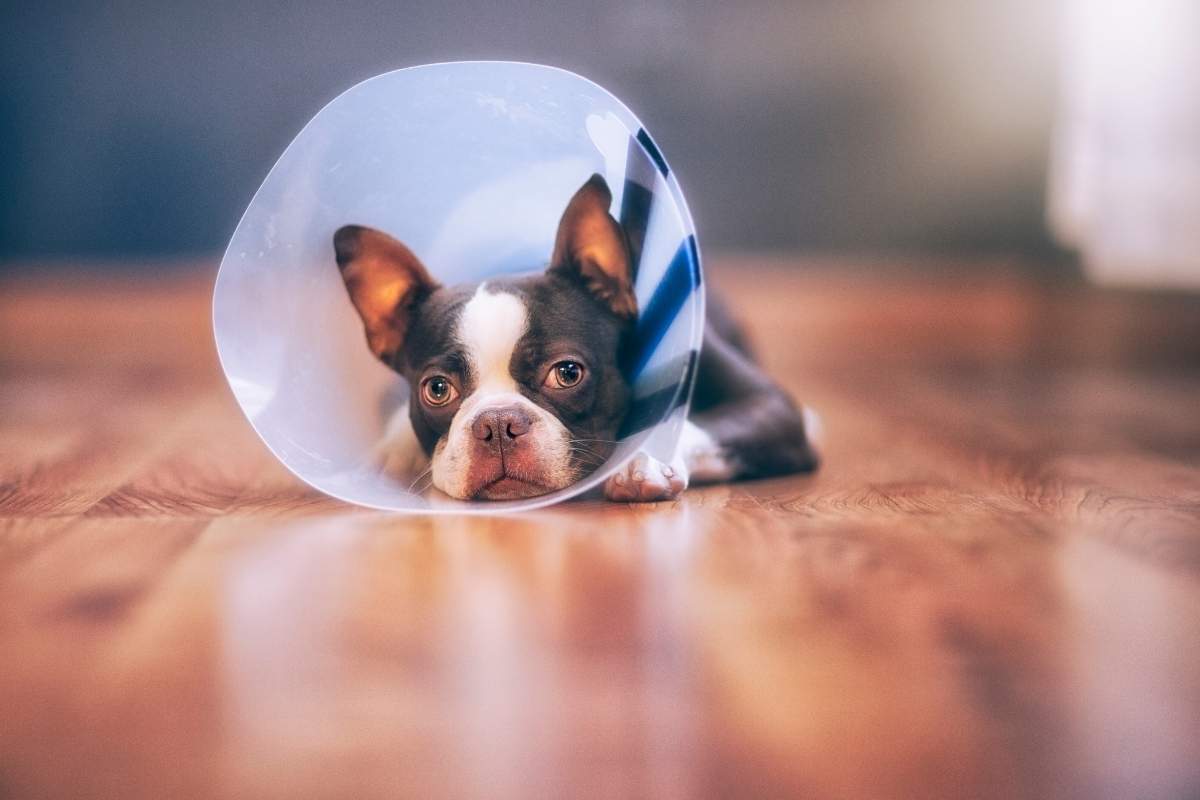
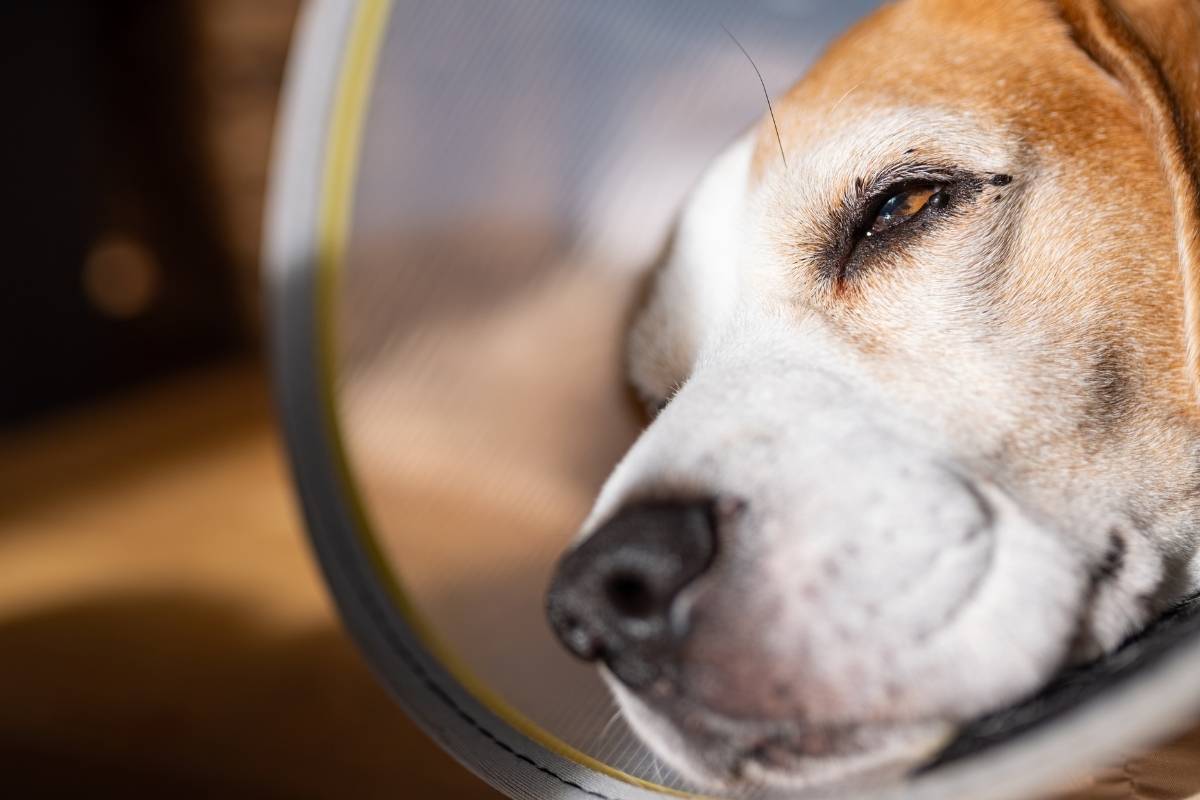
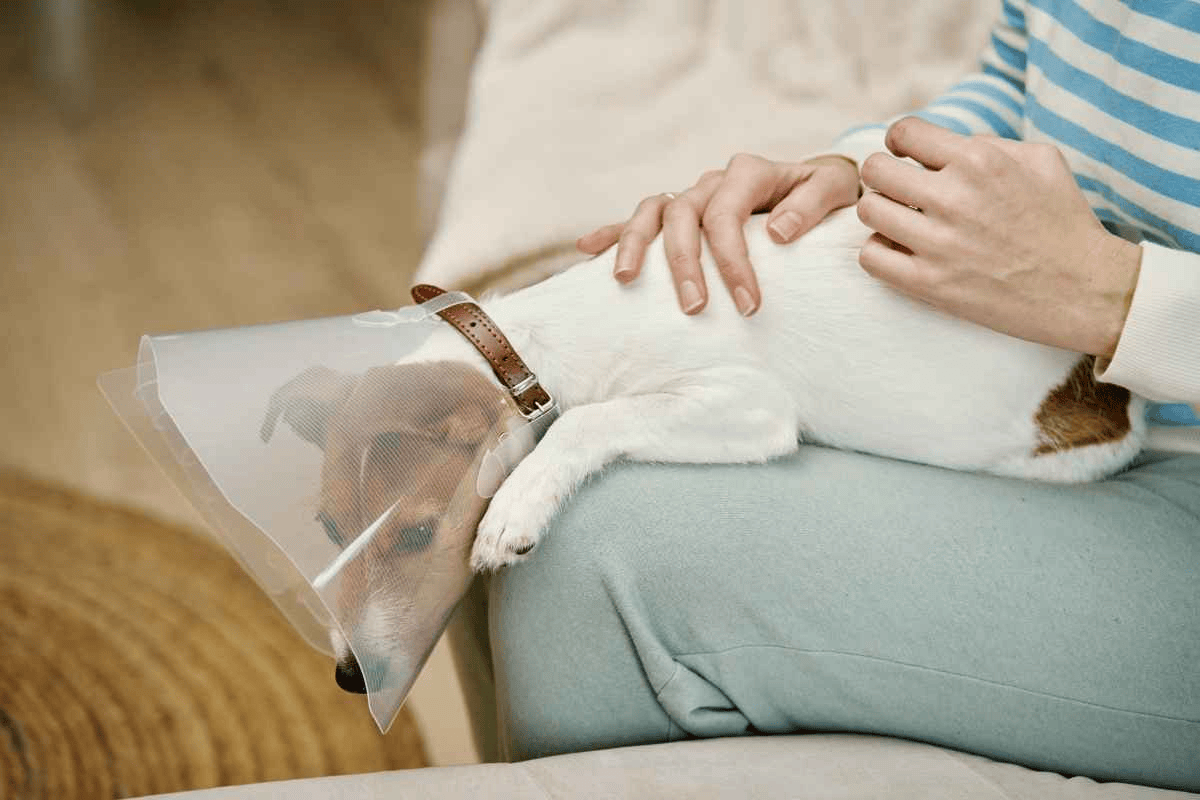
- Skin procedures need protective collars
- Abdominal surgery requires diet monitoring
Meanwhile, most pets begin feeling better within days. You may even notice improved appetite, better sleep, and more playful behavior.
Surgery can sound intimidating, yet it often provides the fastest path back to a happy, active life. When bones hurt, the abdomen is blocked, the eyes are injured, or infected teeth spread disease, direct treatment solves the root problem rather than masking symptoms.
If you’re in Belton, MO and searching for a trusted veterinarian nearby, schedule a visit with Belton Animal Clinic & Exotic Care Center and let our team help your pet return to comfort, movement, and health.
Frequently Asked Questions
Q1. Is surgery safe for older pets?
Ans. Yes. Age alone does not prevent surgery. Bloodwork and monitoring ensure the safest plan for senior animals.
Q2. How long does recovery usually take?
Ans. Minor procedures heal within 10–14 days. Orthopedic surgeries may require 6–8 weeks of restricted activity.
Q3. Will my pet feel pain afterward?
Ans. Pain control is a top priority. Veterinarians provide medications and clear home-care instructions to keep pets comfortable.
Q4. Can medication replace surgery?
Ans. Sometimes. However, structural problems—like torn ligaments or tumors—usually cannot heal with medication alone.
Q5. What are the signs of complications after surgery?
Ans. Contact your vet if you see swelling, discharge, vomiting, refusal to eat, or extreme lethargy.
Q6. Why is veterinary surgery sometimes urgent?
Ans. Certain conditions, such as intestinal blockages or internal bleeding, worsen rapidly. Immediate treatment prevents life-threatening complications.