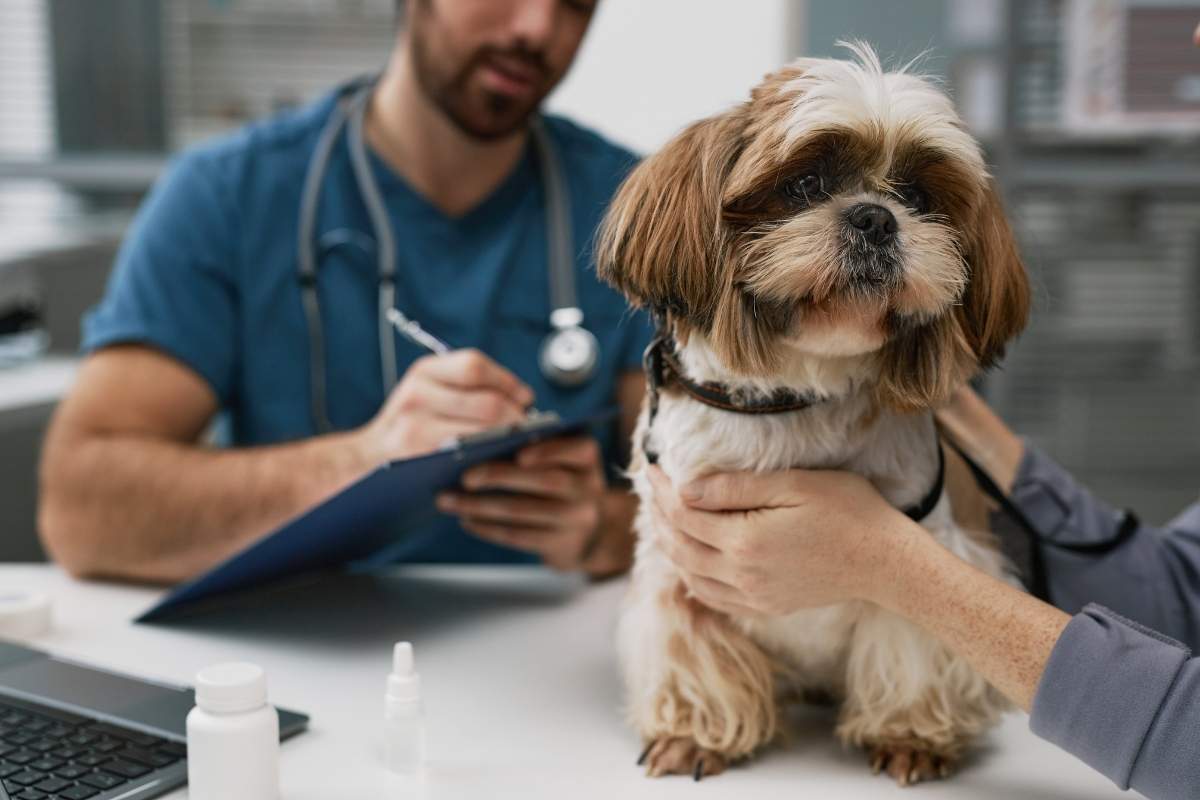
Life gets hectic. Between work schedules, family responsibilities, and daily errands, pet parents often feel overwhelmed trying to choose the right veterinarian. Yet your pet depends on you to protect their health—from nose to tail, from skin to heart, and from teeth to paws. That’s why creating a reliable vet hunt checklist makes the process simpler and less stressful.
Many owners wait until their pet feels sick before searching for care. Unfortunately, that delay often leads to rushed decisions and unnecessary anxiety. Instead, preparing ahead allows you to confidently select a trusted provider who understands your pet’s needs. At Belton Animal Clinic & Exotic Care Center, we encourage proactive planning so families can act quickly when care matters most. This guide is designed especially for pet owners in Belton, MO.
Why You Should Choose a Veterinarian Before an Emergency
Emergencies rarely happen at convenient times. A sudden limp, swollen abdomen, or injured eye may appear late at night or during a busy weekday. If you haven’t chosen a clinic yet, you may panic and pick the closest option without research.
However, selecting a veterinarian early offers several benefits:
- Faster treatment during urgent situations
- Complete medical history tracking
- Preventive care scheduling
- Lower long-term health costs
- Less stress for both you and your pet
Therefore, a clear checklist helps you evaluate quality, not just convenience.
Your Complete Vet Hunt Checklist
Below is a practical, step-by-step checklist busy pet parents can follow.
1. Check Qualifications and Experience
First, confirm the veterinarian is licensed and experienced with your pet’s species. Dogs and cats are common, but birds, reptiles, and small mammals require specialized knowledge.
Ask questions such as:
- How long have they practiced?
- Do they treat your pet’s breed?
- Are continuing education courses completed regularly?
Experienced veterinarians can recognize early symptoms affecting organs like the heart, lungs, and kidneys before they become serious.
2. Observe the Facility Cleanliness
Next, visit the clinic in person. Cleanliness tells you a lot about the level of care provided. Pay attention to:
- Waiting room sanitation
- Exam room hygiene
- Odor control
- Sterilized equipment
A well-maintained environment reduces infection risk, especially during procedures involving the skin, ears, or eyes.
3. Evaluate Communication Style
Communication matters just as much as medical skill. A good veterinarian explains conditions clearly using understandable language. You should feel comfortable asking questions about:
- Diet
- Vaccines
- Medications
- Behavior
Additionally, staff should patiently discuss your pet’s symptoms, whether it involves the mouth, stomach, or joints. Good communication builds trust and ensures you follow treatment instructions correctly.
4. Preventive Care Services
Preventive care keeps pets healthy and avoids costly treatments later. Your checklist should include these essential services:
- Wellness exams
- Vaccinations
- Parasite prevention
- Nutrition counseling
- Weight monitoring
Routine exams help veterinarians examine body parts thoroughly, including gums, teeth, eyes, skin, and abdomen.
5. Dental Care Availability
Dental disease affects most pets by age three. Therefore, your chosen veterinary hospital should provide oral exams and professional cleanings.
Healthy teeth prevent infection from spreading through the bloodstream. Furthermore, proper dental care reduces pain, improves appetite, and prevents tooth loss.
6. Surgical Capabilities
You should also confirm the clinic performs common procedures, including spay and neuter operations, mass removals, and injury repairs. Surgical services matter because accidents happen unexpectedly.
Ask about:
- Anesthesia monitoring
- Pain management
- Recovery instructions
- Follow-up care
A clinic equipped for surgery can quickly treat issues affecting bones, joints, and internal organs.
7. Emergency or Urgent Care Options
Busy families often need flexible scheduling. Therefore, look for clinics offering:
- Same-day appointments
- Urgent care visits
- Emergency referrals
- After-hours guidance
Knowing where to go when your pet has trouble breathing, vomiting, or limping saves valuable time.
8. Technology and Diagnostic Tools
Modern equipment improves diagnosis and treatment accuracy. Ideally, the clinic should offer:
- Digital X-rays
- Laboratory testing
- Ultrasound
- Bloodwork analysis
These tools allow veterinarians to examine internal structures such as lungs, bladder, and intestines without delay.
9. Staff Friendliness and Pet Handling
Observe how staff members interact with animals. Gentle handling reduces fear and makes visits easier.
Positive signs include:
- Calm voices
- Patient approach
- Treat rewards
- Careful restraint
Your pet should feel safe, not frightened, during exams.
10. Reviews and Recommendations
Finally, read online reviews and ask neighbors or friends about their experiences. Consistent positive feedback often reflects reliability and compassionate care.
How Often Should Pets Visit the Vet?
Even healthy pets require routine checkups. Generally:
- Puppies and kittens: every 3–4 weeks initially
- Adult pets: once yearly
- Senior pets: twice yearly
Regular visits allow veterinarians to detect early changes in weight, heart rate, or mobility.
Signs You Need a Vet Immediately
While routine visits are important, certain symptoms need urgent attention:
- Trouble breathing
- Persistent vomiting
- Seizures
- Swollen belly
- Bleeding wounds
- Sudden weakness
Quick care can prevent serious complications and save your pet’s life.
Making Visits Easier for Busy Families
To simplify scheduling:
- Book annual visits in advance
- Set phone reminders
- Keep medical records organized
- Use early morning appointments
- Prepare questions beforehand
Planning ahead reduces last-minute stress and helps you stay consistent with care.
Choosing a veterinarian doesn’t have to feel overwhelming. With a thoughtful vet hunt checklist, you can evaluate services, staff, and care quality before your pet ever gets sick. Preparation ensures your companion receives consistent attention for their teeth, skin, joints, and overall wellness.
If you’re in Belton, MO, and searching for a dependable veterinarian nearby, consider scheduling a visit with Belton Animal Clinic & Exotic Care Center so your pet can receive attentive, compassionate care for every stage of life.
Frequently Asked Questions
Q1. When should I start looking for a veterinarian?
Ans. Before bringing a new pet home. Early preparation avoids rushed decisions during illness.
Q2. How do I know if my pet is comfortable at the clinic?
Ans. Watch body language. Relaxed posture, wagging tail, and normal breathing indicate comfort.
Q3. Is the closest clinic always the best choice?
Ans. Not necessarily. Quality of care and communication matter more than distance.
Q4. How often should pets receive wellness exams?
Ans. Adult pets need yearly exams, while senior pets benefit from twice-yearly visits.
Q5. What should I bring to the first appointment?
Ans. Vaccination records, diet information, medication list, and any behavioral concerns.
Q6. Do indoor pets still need veterinary visits?
Ans. Yes. Indoor pets can still develop dental disease, obesity, and organ conditions.