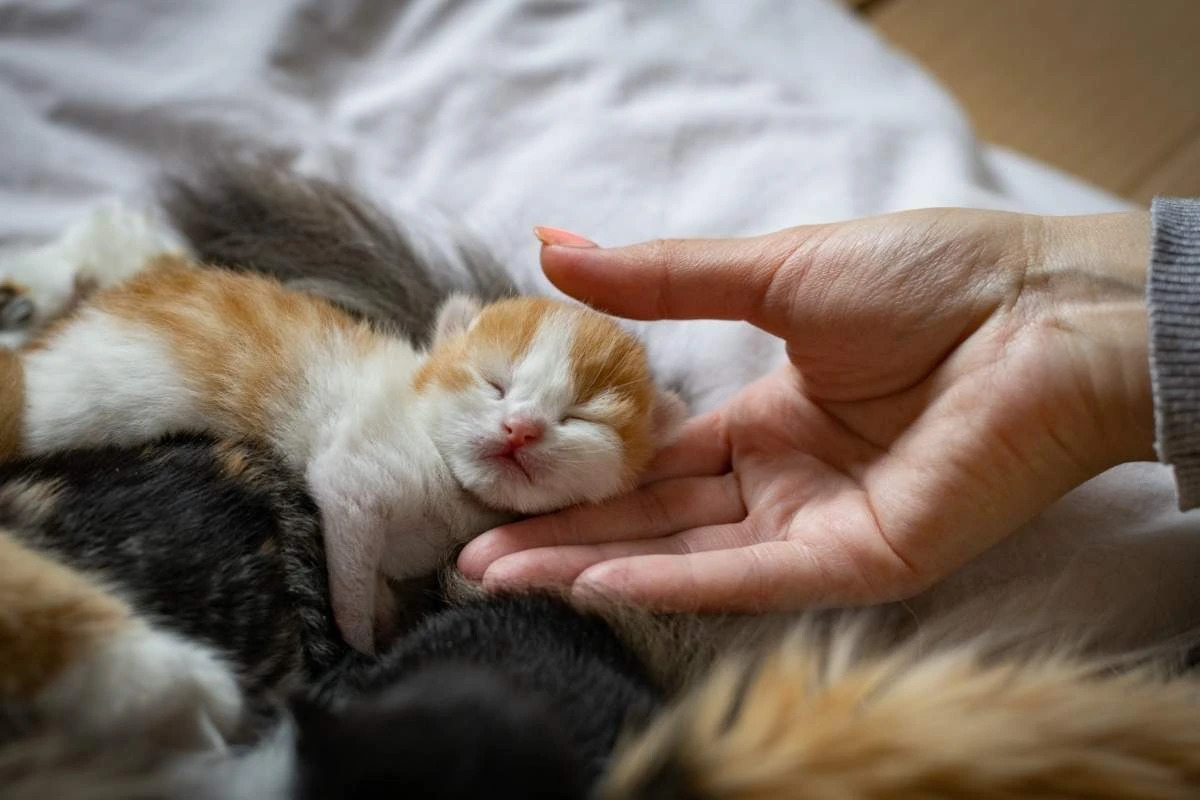
Bringing home a kitten is exciting. Their tiny paws, curious eyes, and playful energy instantly brighten your home. However, many new pet parents worry when their kitten hides, refuses food, or seems scared. Fortunately, this behavior is completely normal. The 3-3-3 rule for kittens helps you understand what your kitten experiences during the first months in a new environment.
Kittens need time to adjust physically and emotionally. Just like people, they feel stress when they leave familiar surroundings, smells, and littermates. Therefore, patience matters more than perfection during those early days. At Belton Animal Clinic & Exotic Care Center, we often reassure families that early behavior changes rarely signal illness. This guide is especially helpful for new kitten owners in Belton, MO.
What Is the 3-3-3 Rule for Kittens?
The rule describes three important adjustment stages:
- First 3 Days — Feeling Overwhelmed
- First 3 Weeks — Learning the Routine
- First 3 Months — Building Trust and Personality
Instead of expecting immediate affection, you should expect gradual progress. Each stage affects your kitten’s behavior, appetite, and body language—from ears to tail.
Stage One: The First 3 Days (Shock and Observation)
During the first three days, your kitten undergoes a huge change. New smells, new sounds, and unfamiliar people overwhelm their senses. As a result, they often hide under furniture or in corners.
What You Might Notice
- Flattened ears
- Wide eyes
- Trembling body
- Quiet meowing
- Refusing food
- Avoiding touch
Although it may worry you, hiding is actually a survival instinct. Kittens protect themselves when they feel unsafe.
How to Help
First, give your kitten a small, quiet room. A bedroom or bathroom works best. Include:
- Soft bedding
- Litter box
- Fresh water
- Food bowl
- A toy or scratching post
Avoid forcing interaction. Instead, sit nearby and speak softly. Eventually, curiosity will overcome fear.
Additionally, watch the nose and eyes for discharge and monitor the abdomen for bloating. These signs may indicate illness rather than adjustment stress.
Stage Two: The First 3 Weeks (Exploration and Learning)
After several days, your kitten begins exploring. Confidence grows, and personality starts to appear. Now your kitten learns routines and household rules.
Behavioral Changes
- Playing with toys
- Walking with tail upright
- Eating regularly
- Using the litter box
- Grooming fur
At this stage, your kitten recognizes your scent and voice. Consequently, bonding begins.
Establish Healthy Habits
Now is the perfect time to introduce structure.
- Feed at the same time daily
- Gently touch paws and ears
- Introduce brushing
- Teach scratching post use
Handling body parts early helps future exams and grooming. This step also supports veterinary kitten care by reducing stress during checkups.
Stage Three: The First 3 Months (Trust and Attachment)
By the third month, your kitten feels secure. Instead of hiding, they seek attention and affection.
You May See
- Purring loudly
- Sleeping near you
- Following you around
- Playing confidently
- Showing belly while resting
At this point, your kitten recognizes you as family.
However, increased energy also means mischief. Chewing cords, climbing curtains, and jumping counters become common. Therefore, provide safe outlets for play.
Feeding and Nutrition During Adjustment
A kitten’s stomach is sensitive during transitions. Sudden diet changes cause diarrhea or vomiting. For best results:
- Keep the same food initially
- Transition slowly over 7–10 days
- Provide fresh water daily
- Feed 3–4 small meals
Healthy gums should appear pink, not pale or red. Meanwhile, a consistent appetite shows your kitten feels secure.
Litter Training Tips
Most kittens learn litter habits quickly. Still, accidents may happen during the adjustment period.
To encourage success:
- Place the litter box in a quiet area
- Use unscented litter
- Scoop daily
- Gently place the kitten in the box after meals
Never punish accidents. Instead, clean thoroughly and redirect calmly.
Socialization and Handling
Early socialization shapes behavior permanently. During the adjustment period:
- Touch paws gently
- Check teeth and mouth
- Rub under the chin
- Stroke the back and tail
This process helps your kitten accept grooming and medical exams later.
When to Schedule the First Vet Visit
Your kitten should see a veterinarian within the first week after adoption. The exam checks:
- Eyes and ears
- Teeth and gums
- Skin and fur
- Abdomen
- Heart and lungs
Vaccines, parasite screening, and growth evaluation ensure healthy development.
Warning Signs That Are Not Normal
While the 3-3-3 rule for kittens explains behavior changes, certain symptoms need immediate attention:
- Persistent vomiting
- Diarrhea lasting longer than 24 hours
- Sneezing with discharge
- Not eating for a full day
- Swollen belly
- Lethargy
These signs indicate illness rather than adjustment stress.
Helpful Adjustment Tips
To make the transition smoother:
- Keep noise levels low
- Provide vertical climbing spaces
- Use interactive toys
- Maintain a consistent routine
- Allow gradual introductions to other pets
Consistency creates confidence. Eventually, your kitten will feel completely safe.
Understanding the 3-3-3 rule for kittens prevents unnecessary worry. The first days involve fear, the first weeks bring learning, and the first months build trust. With patience, routine, and gentle handling, your kitten grows into a confident companion.
If you’re in Belton, MO and looking for a trusted veterinarian nearby, contact Belton Animal Clinic & Exotic Care Center and let our team help your kitten begin a healthy, comfortable life.
Frequently Asked Questions
Q1. Why is my kitten hiding constantly?
Ans. Hiding is normal during the first stage. Your kitten feels scared and needs time to adapt.
Q2. How long before my kitten bonds with me?
Ans. Most kittens begin bonding within 2–3 weeks, but full attachment may take three months.
Q3. Should I let my kitten sleep with me?
Ans. After adjustment and litter training, it is safe if the environment is secure.
Q4. Is it normal for kittens to bite?
Ans. Yes. Biting is a play behavior. Redirect with toys instead of hands.
Q5. When do kittens start purring?
Ans. Many kittens begin purring once they feel safe, usually during the second or third stage.
Q6. How often should kittens visit the vet?
Ans. Kittens typically need multiple visits for vaccines every 3–4 weeks until about 16 weeks old.