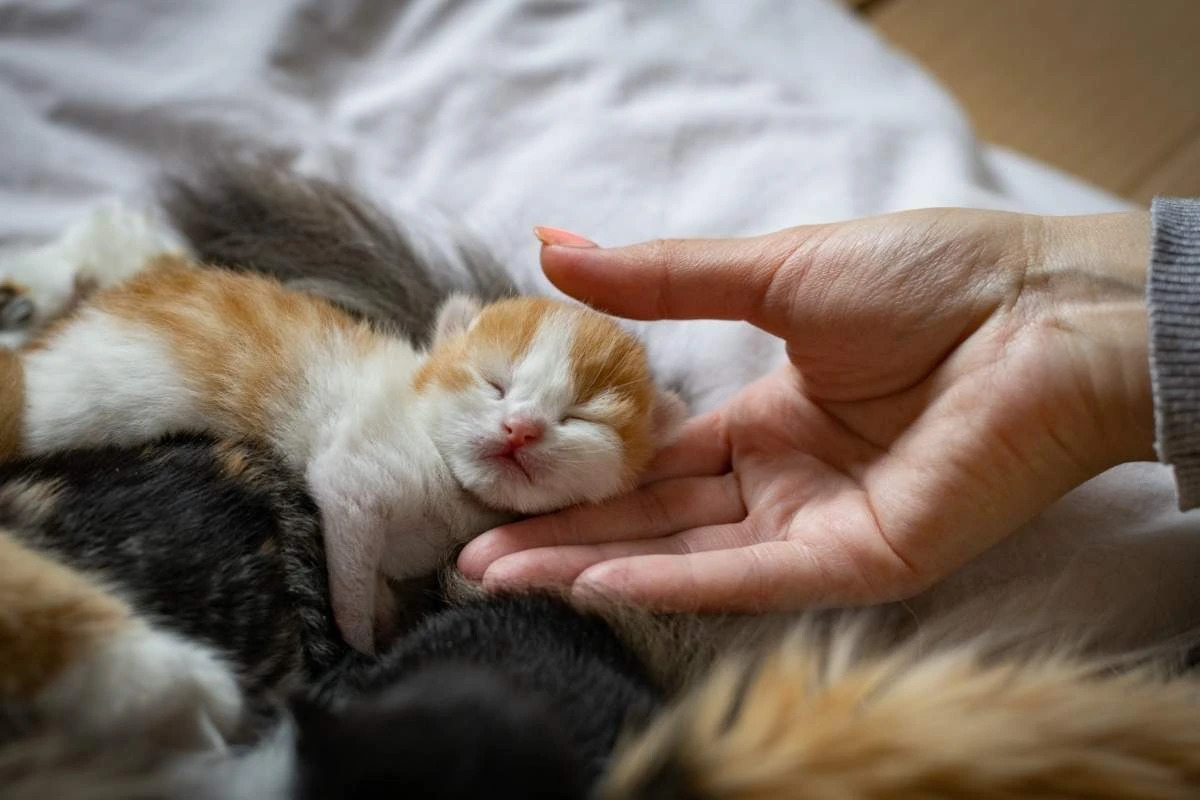
Bringing home a new puppy or kitten is an exciting milestone filled with cuddles, playtime, and new routines. Along with the joy comes an important responsibility — ensuring your new companion gets the right veterinary care from the very beginning. For pet owners in Belton, MO, early veterinary visits are the foundation of lifelong health.
At Belton Animal Clinic & Exotic Care Center, early wellness care focuses on prevention, early detection, and education, helping puppies and kittens grow into healthy adult pets. Below is a guide to the essential vet visits every puppy and kitten needs during their first year of life.
Why Early Vet Visits Matter
Puppies and kittens are especially vulnerable during their first few months. Their immune systems are still developing, making them more susceptible to infections, parasites, and congenital conditions. Routine veterinary visits allow early identification of health concerns while establishing a preventative care plan tailored to your pet’s needs.
Early Puppy & Kitten Care also helps pets become comfortable with veterinary handling, reducing fear and stress during future visits.
The First Wellness Exam (6–8 Weeks Old)
The first veterinary visit typically occurs when puppies and kittens are between six and eight weeks old. This visit sets the tone for future care and provides a comprehensive overview of your pet’s health.
What to Expect:
- Full physical examination
- Weight and growth assessment
- Initial parasite screening
- Discussion of diet and feeding schedules
- Introduction to vaccination schedules
Your veterinarian will also answer questions about behavior, socialization, and what to expect in the coming weeks.
Vaccination Visits: Building Immunity
Vaccinations are essential for protecting puppies and kittens from serious and potentially life-threatening diseases. Because maternal antibodies fade over time, vaccines are administered in a series rather than all at once.
Core Vaccines Often Include:
- Distemper
- Parvovirus
- Rabies
- Feline viral rhinotracheitis
- Calicivirus
- Panleukopenia
These visits usually occur every 3–4 weeks until your pet reaches about 16 weeks of age. Each appointment also allows your veterinarian to monitor growth and overall development.
Parasite Prevention and Testing
Internal and external parasites are common in young pets. Roundworms, hookworms, fleas, and ticks can affect growth and cause serious health problems if left untreated.
Routine visits include:
- Fecal testing
- Deworming treatments
- Flea and tick prevention recommendations
Consistent parasite control protects not only your pet but also your household.
Spay and Neuter Consultation
Spaying or neutering is a key part of responsible pet ownership. During early visits, your veterinarian will discuss the appropriate timing based on your pet’s species, breed, and health status.
Benefits include:
- Reduced risk of certain cancers
- Prevention of unwanted litters
- Improved behavior and socialization
Planning ahead ensures your pet is healthy and ready for surgery when the time comes.
Microchipping and Identification
Microchipping is a simple, permanent form of identification that greatly increases the chances of a lost pet being reunited with its family. Many owners choose to include microchipping during spay or neuter surgery, though it can be done at any visit.
This step is especially important for curious puppies and adventurous kittens.
Nutrition and Growth Monitoring
Proper nutrition plays a critical role in healthy development. Veterinary visits allow your care team to:
- Recommend age-appropriate diets
- Monitor weight and body condition
- Adjust feeding plans as your pet grows
Balanced nutrition supports strong bones, healthy immune systems, and optimal brain development.
Behavior and Socialization Guidance
Early vet visits are also an opportunity to discuss behavior. Topics often include:
- House training or litter training
- Teething and chewing
- Socialization with people and other animals
- Managing common puppy and kitten behaviors
Addressing these topics early helps prevent long-term behavioral issues.
Start Your Pet’s Healthy Journey Today
Investing in proper puppy & kitten care during the first year pays dividends throughout your pet’s entire life. Regular veterinary visits, timely vaccinations, and preventive treatments create the foundation for lasting health and happiness.
Book an appointment with Belton Animal Clinic & Exotic Care Center today to give your new puppy or kitten the exceptional start they deserve. Our caring team looks forward to meeting your newest family member.
FAQs
Q1. When should I take my puppy or kitten to the vet for the first time?
Ans. Most puppies and kittens should have their first vet visit between 6 and 8 weeks of age.
Q2. How many vet visits do puppies and kittens need in their first year?
Ans. Young pets typically need several visits during their first year for vaccines, parasite prevention, and growth monitoring.
Q3. Are vaccinations really necessary for indoor pets?
Ans. Yes. Even indoor pets can be exposed to diseases through people, other animals, or environmental contact.
Q4. What should I bring to my pet’s first vet appointment?
Ans. Bring any previous medical records, a stool sample if requested, and a list of questions or concerns.
Q5. When should my puppy or kitten be spayed or neutered?
Ans. Your veterinarian will recommend the best timing based on your pet’s age, breed, and overall health.