Have you ever felt your dog gently nibbling your hand, arm, clothing, or even your hair? Unlike a typical bite, this behavior often involves small, repetitive movements with the front teeth and little or no pressure. Many dogs do this during play, affection, grooming, or moments of excitement.
Understanding why does my dog nibble me starts with looking at the situation surrounding the behavior. A dog nibbling while relaxed and wagging its tail may be communicating something very different from a dog that nibbles while anxious, tense, or overstimulated. Belton Animal Clinic & Exotic Care Center can help pet owners understand unusual behavior and determine when a physical or behavioral concern may need veterinary attention.
What Does Dog Nibbling Mean?
Dog nibbling can describe several different behaviors. Some dogs gently use their front teeth to pick at skin or clothing, while others may nibble during play or grooming.
This behavior is sometimes called “cobbing” because the small teeth movements can resemble the way someone eats corn from a cob.
Nibbling is not automatically a sign of aggression. In many cases, it is a normal form of communication or interaction. However, the context matters. Frequency, body language, the dog’s age, and what happens immediately before and after the nibbling can provide important clues.
7 Reasons Your Dog May Nibble You
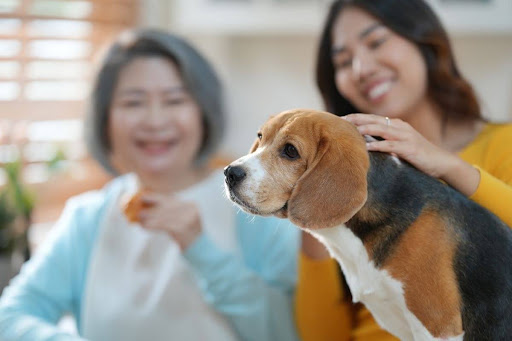
1. Your Dog Is Showing Affection
Some dogs use gentle nibbling as part of social interaction. Dogs naturally communicate through physical contact, licking, sniffing, and grooming behaviors.
If your dog approaches you calmly, has relaxed body language, and gently nibbles your hand or arm, the behavior may be associated with bonding or social interaction.
Dogs do not necessarily understand affection in exactly the same way humans do, but gentle physical contact can be part of a comfortable relationship.
If the behavior is soft and does not hurt, it may simply be one of your dog’s preferred ways to interact with you.
2. Your Dog Wants Your Attention
Dogs quickly learn which behaviors get a response from their owners.
If your dog nibbles your hand and you immediately look at them, talk to them, pet them, or play, your dog may learn that nibbling works as an attention-getting behavior.
This does not necessarily mean your dog is being demanding or disobedient. It may simply have discovered an effective way to initiate interaction.
If you want to discourage the behavior, avoid rewarding unwanted nibbling with immediate attention. Instead, redirect your dog toward an appropriate behavior, such as sitting, offering a toy, or calmly waiting.
3. Your Dog Is Excited or Playful
Excitement can cause dogs to become more mouth-oriented.
You may notice nibbling when:
- You come home
- You pick up a favorite toy
- You prepare for a walk
- You begin playing
- Your dog meets someone they enjoy
- Your dog becomes excited during petting
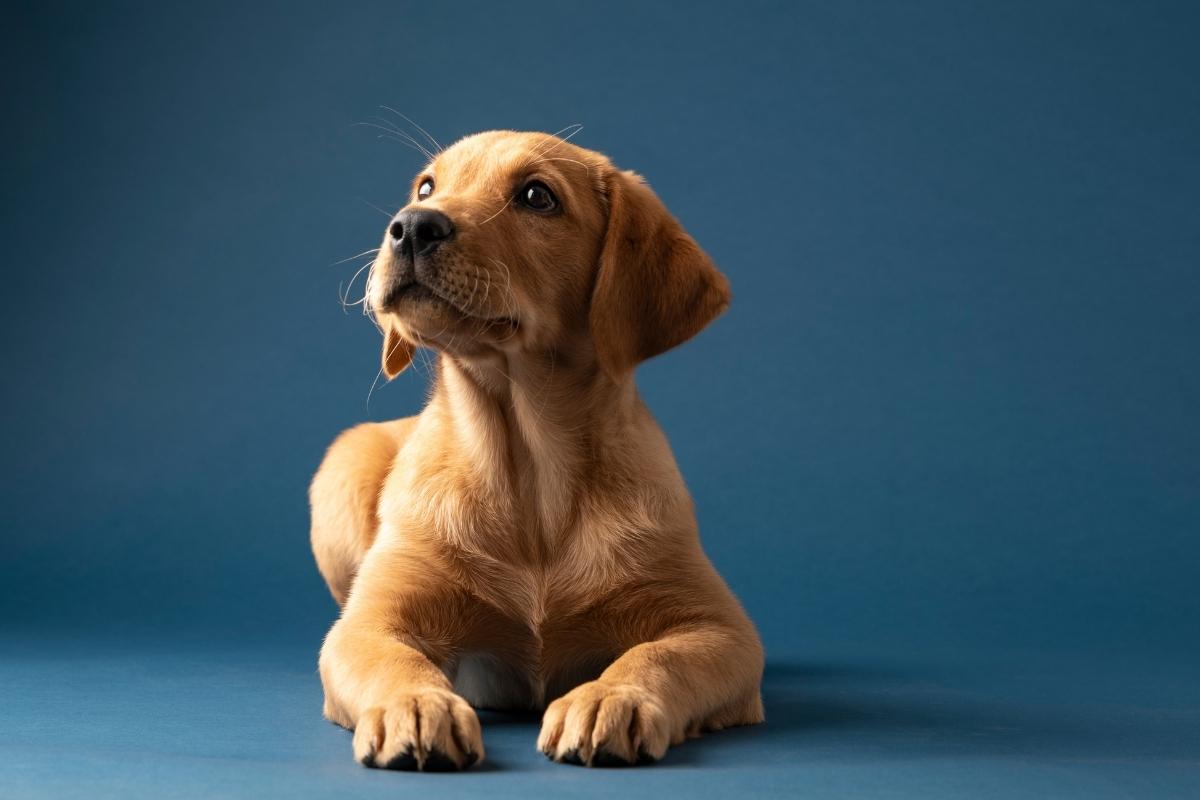
Puppies especially tend to explore their environment with their mouths.
If playful nibbling becomes too intense, redirect your dog’s attention to an appropriate chew toy. Avoid rough hand-based games that encourage your dog to treat human hands as toys.
4. Your Dog Is Grooming You
Dogs groom themselves and other dogs as part of normal social behavior. Gentle nibbling can sometimes occur alongside licking and other grooming actions.
If your dog gently picks at your skin while remaining relaxed, the behavior may resemble social grooming.
You may also see similar behavior when dogs interact with one another. One dog may gently nibble around another dog’s coat, particularly during relaxed social interactions.
However, excessive grooming or nibbling should not automatically be considered normal. If your dog spends a lot of time nibbling its own skin, paws, tail, or another animal, an underlying skin or medical problem may be involved.
5. Your Dog Is Exploring
Dogs experience the world through multiple senses, and their mouths are important tools for exploration.
Puppies commonly investigate objects by chewing, mouthing, licking, and gently biting them. An adult dog may also use its mouth to investigate something unfamiliar.
If your dog occasionally nibbles clothing, blankets, or your hands while exploring, it may simply be investigating texture or scent.
Still, owners should prevent dogs from chewing or swallowing inappropriate materials. Fabric, strings, plastic, and other objects can create serious gastrointestinal problems if swallowed.
6. Your Dog Is Overstimulated
Sometimes nibbling occurs because a dog has become too excited during interaction.
For example, your dog may enjoy being petted but become increasingly stimulated and begin mouthing or nibbling your hands. This does not necessarily mean the dog suddenly became aggressive.
Look at the overall body language.
Signs that your dog may need a break can include:
- Turning the head away
- Lip licking
- Yawning
- Pacing
- Stiffening the body
- Flattening the ears
- Avoiding eye contact
- Increasingly intense mouthing
When these signals appear, pause the interaction and allow your dog to settle.
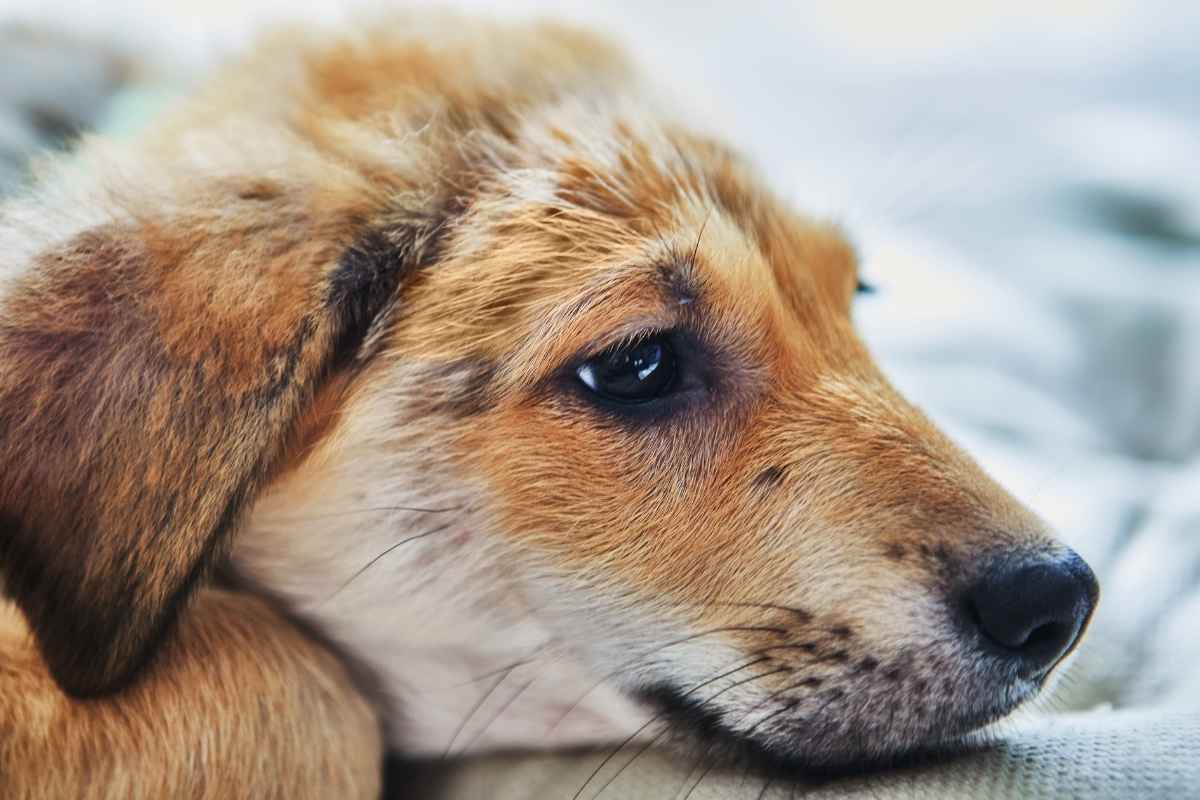
7. Your Dog May Be Experiencing Anxiety or Another Problem
Nibbling can occasionally become part of a repetitive or self-soothing behavior.
If a dog frequently nibbles itself, another pet, objects, or people, it is worth considering whether stress, anxiety, boredom, skin irritation, pain, or another medical issue may be contributing.
For example, persistent nibbling of the skin may occur with allergies, parasites, infections, or other dermatological problems. Dogs may also become more mouth-oriented when they are frustrated or lacking appropriate mental stimulation.
A sudden change in behavior deserves particular attention. If your normally relaxed dog suddenly starts nibbling excessively, consider whether something else has changed.
Is Dog Nibbling the Same as Biting?
No. Gentle nibbling and biting are not necessarily the same behavior.
Nibbling usually involves light, repetitive contact with the front teeth and little pressure. A bite generally involves more force and can cause pain or injury.
However, a dog’s behavior can escalate if excitement, fear, frustration, or discomfort increases.
Pay attention to body language. A relaxed dog with loose muscles and a soft expression is communicating differently from a dog that becomes stiff, growls, bares its teeth, freezes, or repeatedly attempts to bite.
Never assume that a dog’s gentle nibbling will always remain harmless if the behavior is becoming more intense.
How to Stop Your Dog From Nibbling You
If your dog’s nibbling is unwanted, consistency is important.
Redirect the Behavior
When your dog starts nibbling your hand, calmly redirect attention toward a suitable toy. Praise or reward your dog when it interacts appropriately with the toy.
Avoid Encouraging Hand Mouthing
Rough play with hands can teach dogs that grabbing or mouthing human skin is part of play. Use toys instead.
Reward Calm Behavior
Reward your dog when it sits quietly, offers a toy, or waits for attention without nibbling. Reinforcing desirable behavior is generally more effective than repeatedly scolding unwanted behavior.
Provide Mental and Physical Enrichment
Bored dogs may develop repetitive behaviors. Age-appropriate walks, training exercises, puzzle toys, scent games, and interactive play can provide appropriate outlets.
Identify Triggers
Keep track of when nibbling occurs. Does it happen during petting, after exercise, when visitors arrive, or when your dog wants food? Recognizing the trigger can make the behavior easier to manage.
When Should You Be Concerned About Dog Nibbling?
Occasional gentle nibbling is often harmless, but certain patterns warrant closer attention.
Contact a veterinarian if:
- The behavior suddenly appears or becomes frequent
- Your dog is biting hard enough to hurt
- Nibbling is accompanied by growling or threatening body language
- Your dog repeatedly nibbles or chews its own skin
- You notice redness, hair loss, wounds, or parasites
- Your dog seems painful or unusually irritable
- Your dog has other behavioral changes
- Your dog is swallowing pieces of fabric or other objects
Medical problems can sometimes influence behavior. For example, itching or pain may make a dog more restless or mouth-oriented. A veterinary assessment can help determine whether an underlying health concern needs attention.
For pet owners who need guidance from a veterinary hospital, discussing the behavior with a qualified veterinary team can help distinguish a normal habit from a problem that requires further evaluation.
Does Dog Nibbling Depend on Age?
Yes. Age can influence both the frequency and reason for nibbling.
Puppies
Puppies naturally explore with their mouths and may also be teething. They often need appropriate chew toys and consistent redirection.
Adult Dogs
An adult dog’s nibbling may be associated with affection, grooming, attention, play, or learned behavior.
Senior Dogs
A new behavior in an older dog deserves attention, particularly when it occurs alongside confusion, anxiety, pain, appetite changes, or other changes in normal habits.
Rather than assuming that every dog nibbles for the same reason, consider age, environment, health, and body language together.
So, why does my dog nibble me? In many cases, gentle nibbling is connected to affection, grooming, play, attention, exploration, or excitement. The key is to consider the context and your dog’s overall body language rather than interpreting the behavior in isolation.
If nibbling is becoming excessive, painful, repetitive, or accompanied by other changes, it is worth investigating further. A veterinary evaluation can help rule out medical causes and provide appropriate behavioral guidance when needed.
Schedule your appointment with Belton Animal Clinic & Exotic Care Center if you are concerned about a new or persistent behavior, skin irritation, pain, or other changes in your dog’s health. Serving pet owners in Belton, MO, and surrounding communities, the team can help determine whether your dog’s nibbling is a normal behavior or something that deserves closer attention.
Frequently Asked Questions:
Q1. Why does my dog gently nibble me?
Ans: Gentle nibbling can have several explanations, including affection, social grooming, play, attention-seeking, exploration, or excitement. The surrounding circumstances and your dog’s body language are important. A relaxed dog gently nibbling during friendly interaction may be displaying a normal social behavior, while sudden or intense nibbling may warrant closer attention.
Q2. Why does my dog nibble me with his front teeth?
Ans: Dogs sometimes use their small front teeth for gentle nibbling or grooming-like behavior. This may occur during social interaction, play, or relaxation. The behavior is sometimes called “cobbing.” If it is gentle and occasional, it is generally less concerning than forceful biting. However, frequent or increasingly intense behavior should be evaluated in context.
Q3. How do I stop my dog from nibbling my hands?
Ans: Calmly remove your hands from the interaction and redirect your dog toward an appropriate toy. Reward calm behavior and toy interaction. Avoid rough games involving your hands because they can reinforce mouthing. Consistency among everyone in the household is important so your dog receives the same message.
Q4. Is nibbling a sign that my dog is anxious?
Ans: It can be, but nibbling alone does not prove that a dog is anxious. Look for additional signs such as pacing, excessive licking, yawning, avoidance, trembling, restlessness, or changes in appetite. If nibbling is repetitive, sudden, or accompanied by other behavioral changes, discuss it with your veterinarian.
Q5. Why does my dog nibble himself?
Ans: Repeated self-nibbling can be associated with itching, allergies, parasites, skin infections, pain, boredom, or other problems. Check the skin for redness, hair loss, sores, swelling, or parasites. Persistent self-nibbling should be evaluated because treating the underlying cause is more effective than simply trying to stop the behavior.
Q6. When should I contact a veterinarian about my dog’s nibbling?
Ans: Contact a veterinarian if nibbling becomes sudden, excessive, painful, difficult to interrupt, or associated with aggression, skin problems, pain, anxiety, or other changes in behavior. Veterinary evaluation can help determine whether the behavior is primarily behavioral or whether an underlying medical issue may be contributing.