
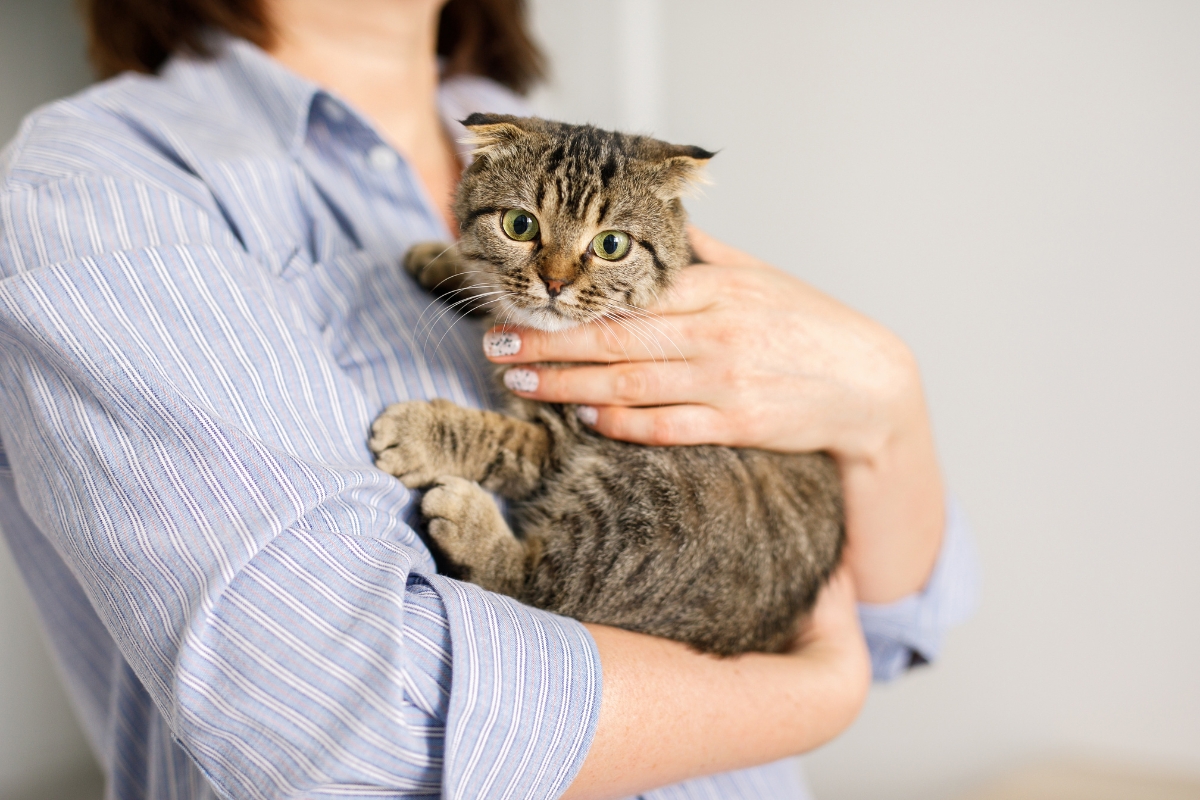
Accidents can happen in the blink of an eye. Whether your dog darted into traffic, your cat took a bad fall, or your rabbit injured itself during play, the moments immediately following an accident are critical. Your first instinct may be to scoop up your beloved companion and rush for help. However, moving an injured animal incorrectly can turn a manageable fracture into a life-threatening emergency.
Staying calm is easier said than done, yet it remains the most important thing you can do for your pet. Animals pick up on human anxiety, and a frightened pet may bite, scratch, or thrash precisely when it needs to remain still. Before you reach out, take a deep breath and evaluate the scene for any ongoing dangers such as traffic, sharp objects, or aggressive animals.
Start by checking if your pet is conscious and breathing. If you notice severe bleeding, labored breathing, or obvious deformities, you need to act quickly but carefully. In cases of profuse blood loss or respiratory distress, every second counts, and your goal is to stabilize the pet just enough to transport it safely to a veterinary hospital where professionals can take over.
Assess the Situation Before You Touch the Animal
Look at your pet from a distance before making physical contact. Is the animal lying in an awkward position? Are there open wounds, protruding bones, or signs of paralysis? Does your pet respond when you call its name? These observations help you decide whether you can move the animal yourself or whether you need assistance.
If your pet is unconscious, check for breathing and a heartbeat. Gently place your hand on the chest to feel for movement, and watch for the rise and fall of the ribcage. If your pet is not breathing, you may need to perform rescue breaths before transport. However, if you suspect a spinal injury, do not twist the neck or back while checking vitals.
General Rules Every Pet Owner Should Follow
Regardless of species, a few universal principles apply when handling an injured pet. First, protect yourself. Even the gentlest family pet may bite when frightened or in pain. For dogs, a soft muzzle or a looped gauze bandage can prevent bites without restricting breathing. For cats and small mammals, a thick towel provides both restraint and a sense of security.
Second, support the entire body. Avoid lifting an animal by its limbs, tail, or scruff alone. Instead, slide one hand under the chest and the other under the hindquarters to distribute weight evenly. Keep the spine in a neutral position, and move slowly to prevent jostling. Third, minimize the distance you carry the animal. Have a carrier, blanket, or board ready so you can transport the pet to your vehicle without unnecessary handling.
How To Carry an Injured Dog Safely
Dogs come in all shapes and sizes, so your approach depends on your pet’s weight and the nature of its injuries.
Small Dogs and Puppies
For small dogs, place one hand under the chest just behind the front legs and the other hand under the abdomen in front of the hind legs. Hold the dog close to your body to reduce struggling. If the dog has a suspected back injury, keep the spine perfectly straight by sliding the dog onto a rigid surface such as a baking sheet or cutting board before lifting.
Large Dogs
Moving a large injured dog presents a bigger challenge. If the dog can stand, encourage it to walk slowly while you support its weight with a towel sling placed under the belly. If the dog cannot stand, recruit a helper. One person should support the chest and front legs while the other supports the hindquarters and back legs. Lift together on the count of three, keeping the dog horizontal. For giant breeds, a sturdy blanket or tarp works as an improvised stretcher.
Suspected Spinal or Neck Trauma
When spinal injury is possible, immobilization is everything. Slide a flat, firm board underneath the dog, and secure the animal gently with rolled towels placed along both sides of the body. Use tape or soft cloth strips to fasten the dog to the board across the chest, hips, and legs without restricting breathing. Carry the board horizontally, and avoid any bending or twisting motions.
How To Transport an Injured Cat Without Escalating Stress
Cats are notoriously difficult to handle when hurt because their fight-or-flight response kicks in immediately. A frightened cat can inflict serious scratches and bites, so preparation is essential. Lay a large towel flat on the floor and gently place the cat in the center. Wrap the towel snugly around the body, leaving the nose exposed for breathing. This burrito-style wrap calms the cat and protects your hands.
Once wrapped, place the cat in a hard-sided carrier lined with a soft blanket. Never carry a cat loosely in your arms after an injury because a sudden movement could cause it to leap from your grasp and worsen its condition. If you do not have a carrier, place the wrapped cat in a sturdy box with ventilation holes cut in the sides. Keep the box level during transport, and place it on the floor of your car rather than a seat to reduce motion.
Special Considerations for Exotic Pets
Birds, reptiles, and small mammals require species-specific handling. For birds, gently place a soft cloth over the head to reduce stress, then wrap the body in a towel while supporting the wings close to the body. Place the bird in a small, dark, ventilated box for transport.
Reptiles should be kept warm during transport. Place the injured reptile in a secure container with a soft towel and a warm, not hot, heat source such as a microwaved rice sock wrapped in cloth. Small mammals like rabbits and guinea pigs benefit from being wrapped in a towel and placed in a carrier with familiar bedding to reduce stress. Because exotic pets often hide illness until it becomes severe, any injury warrants prompt professional evaluation.
What To Do After You Have Secured Your Pet
After you have safely contained your pet, head directly to your veterinarian. Call ahead if possible so the staff can prepare for your arrival. Keep the vehicle quiet and the temperature comfortable. Avoid loud music, sudden braking, and unnecessary stops. If your pet is bleeding, apply gentle pressure with a clean cloth during the drive, but do not attempt to clean deep wounds or set bones yourself.
Remember that your role is to stabilize, not to treat. Splinting fractures incorrectly can cut off circulation, and giving human medications like ibuprofen or acetaminophen can be toxic to animals. Leave the diagnosis and treatment to trained professionals who have the equipment and expertise to manage trauma appropriately.
Building a Pet First Aid Kit for Future Emergencies
Preparation today prevents panic tomorrow. Assemble a pet first aid kit that includes gauze rolls, adhesive tape, scissors, a digital thermometer, a soft muzzle, a thick towel, a rigid board or baking sheet, and the phone number of your regular veterinarian. Store this kit in an accessible location, and review basic handling techniques periodically so you can act confidently if an accident occurs.
Additionally, familiarize yourself with the route to your nearest animal care facility and keep their contact information saved in your phone. When minutes matter, knowing exactly where to go eliminates dangerous delays.
Knowing how to carry an injured pet safely is a skill every owner should possess. By staying calm, assessing the situation, and using proper lifting techniques, you prevent additional trauma and give your companion the best chance at a full recovery. Preparation, practice, and a well-stocked first aid kit transform a terrifying moment into a managed response.
If you would like guidance on assembling a pet first aid kit or need to discuss your pet’s health, contact Belton Animal Clinic & Exotic Care Center. Our experienced team is here to support you through every stage of your pet’s life. Schedule your appointment with Belton Animal Clinic & Exotic Care Center today, and let us help you keep your companions safe, healthy, and happy for years to come.
FAQs
Q1. Should I muzzle my injured dog before moving it?
Ans. Yes, you should muzzle an injured dog if it is conscious and there is no risk of vomiting or severe facial trauma. A soft muzzle or looped gauze prevents bites while you assess injuries and prepare for transport. Remove the muzzle immediately if the dog begins vomiting or has trouble breathing.
Q2. Can I use a blanket as a stretcher for my large dog?
Ans. Absolutely. A sturdy blanket or tarp can serve as an improvised stretcher for large dogs. Slide the blanket under the dog, recruit one or two helpers, and lift the edges together to keep the dog level. This method minimizes spinal movement and distributes weight evenly during transport.
Q3. Is it safe to give my injured pet pain medication before going to the vet?
Ans. No, you should never give human pain medication to an injured pet. Drugs like ibuprofen, acetaminophen, and aspirin can be toxic to dogs and cats, causing internal bleeding, kidney failure, or liver damage. Wait for your veterinarian to prescribe species-appropriate pain relief after a proper examination.
Q4. How do I know if my pet has a spinal injury?
Ans. Signs of spinal injury include inability to move the legs, dragging limbs, abnormal posture, yelping when touched along the back, or loss of bladder and bowel control. If you suspect spinal trauma, immobilize the pet on a rigid board and avoid any twisting or bending of the spine during transport.
Q5. What is the best way to carry an injured cat that is trying to escape?
Ans. Wrap the cat snugly in a thick towel with only the nose exposed. This technique, often called the kitty burrito, restricts movement and reduces stress. Place the wrapped cat immediately into a hard-sided carrier or ventilated box, and keep the container level and secure during transport.
Q6. Should I try to clean a wound before taking my pet to the vet?
Ans. You should not attempt to clean deep or heavily bleeding wounds. Instead, apply gentle pressure with a clean cloth or gauze to control bleeding, and let the veterinary team handle wound cleaning and treatment. Disturbing the wound can increase bleeding, introduce infection, or cause additional pain.