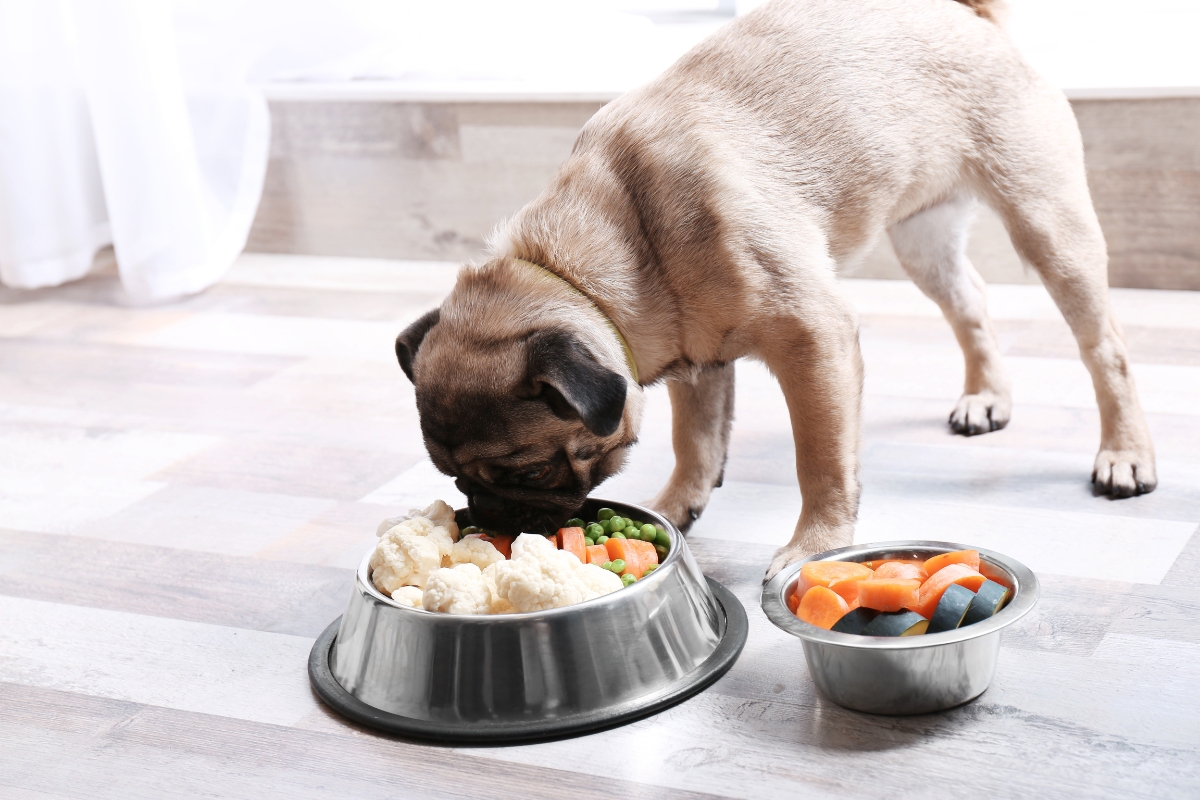
A pet’s nutritional needs change throughout life. Puppies and kittens need nutrient-rich meals to support rapid growth, while adult dogs and cats need balanced nutrition to maintain healthy weight, muscle, and energy. As pets enter their senior years, changes in metabolism, activity, muscle condition, and health may require adjustments to their diet.
Choosing the right food involves more than selecting a package labeled for a particular age. Your pet’s species, breed, size, activity level, body condition, lifestyle, and health history all influence nutritional requirements. Regular veterinary care also provides an opportunity to monitor weight and identify changes that may affect your pet’s dietary needs.
Nutrition for Puppies and Kittens
The first year of life is a period of rapid physical development. Puppies and kittens need adequate calories, protein, fats, vitamins, and minerals to support developing bones, muscles, organs, and immune function.
Feeding Puppies
Puppies should generally receive a complete and balanced diet formulated for growth. However, more food does not always mean better growth. Excessive calorie intake can contribute to unhealthy weight gain.
Large-breed puppies need particular attention because rapid or excessive growth can place additional stress on developing bones and joints. Measured portions and regular body-condition checks can help keep growth on track.
Depending on age and individual needs, puppies may benefit from multiple appropriately portioned meals throughout the day.
Feeding Kittens
Kittens also need diets specifically formulated for growth. They require nutrient-dense food to support muscle development, healthy organs, and normal activity.
Because cats have unique nutritional requirements, kittens should receive a complete and balanced feline diet rather than simply eating food intended for adult cats.
Fresh, clean water should always be available. Wet food can also contribute to overall fluid intake for cats.
Adult Pet Nutrition
As pets mature, their nutritional priorities change from growth to maintenance. Adult dogs and cats generally need enough energy to support daily activity without consuming excessive calories.
A balanced adult diet should help maintain:
- Healthy body weight
- Lean muscle
- Normal energy
- Healthy skin and coat
- Digestive health
- Normal body functions
However, not every adult pet has the same calorie requirements. An active dog may need more energy than a sedentary dog of similar size. Likewise, an indoor cat may need fewer calories than a highly active cat.
Therefore, follow feeding recommendations as a starting point, then monitor your pet’s body condition and adjust portions when appropriate.
Managing Treats and Extra Calories
Treats can be useful for training and bonding, but they also contribute calories to your pet’s overall diet. Excessive treats can gradually contribute to weight gain.
Choose treats appropriate for your pet’s species and health needs. Also, remember that table scraps can contain excessive fat, salt, or other ingredients that may not be suitable for pets.
Portion awareness matters even when the main diet is complete and balanced.
Nutrition During the Senior Years
Senior pets often experience gradual changes in metabolism and activity. Some become less active and need fewer calories, while others lose muscle or weight and require additional nutritional attention.
Importantly, there is no single senior diet that works for every older pet.
An older dog with healthy body condition may have different nutritional requirements from a senior cat with dental disease, kidney disease, diabetes, or digestive problems. Consequently, diet selection should take individual health into account.
Maintaining Healthy Weight and Muscle
Maintaining an appropriate body condition becomes especially important as pets age. Excess weight can place additional stress on joints and make movement more difficult.
At the same time, unexplained weight loss should not simply be considered a normal part of aging. Dental disease, metabolic conditions, gastrointestinal problems, and other health concerns can affect appetite and body weight.
Regular monitoring can help identify changes early.
When Should You Change Your Pet’s Diet?
Age is one reason to reassess nutrition, but it is not the only one. Consider reviewing your pet’s diet when there are noticeable changes in:
- Body weight
- Activity level
- Appetite
- Muscle condition
- Digestion
- Lifestyle
- Health status
For example, a change from an active lifestyle to a more sedentary routine may reduce calorie requirements. Similarly, a newly diagnosed health condition may require a veterinarian-recommended diet.
When changing foods, transition gradually over several days when possible. A slow transition can reduce the likelihood of digestive upset.
Do Pets Need Supplements?
Healthy pets eating a complete and balanced diet do not necessarily need supplements. Adding unnecessary vitamins or minerals can sometimes create nutritional imbalances.
However, certain supplements may be appropriate for specific health or nutritional needs. Always discuss supplements with a veterinarian before adding them to your pet’s routine, particularly if your pet takes medication or has an existing medical condition.
How Belton Animal Clinic & Exotic Care Center Can Help
Local pet owners can benefit from individualized nutrition guidance rather than relying solely on general feeding recommendations. Belton Animal Clinic & Exotic Care Center can help evaluate factors such as your pet’s age, species, activity level, body condition, current diet, and overall health when discussing nutritional needs.
Regular wellness examinations also provide an opportunity to monitor changes in weight and muscle condition and determine whether your pet’s feeding plan should be adjusted.
From the first meals of puppyhood or kittenhood through adulthood and the senior years, proper nutrition supports your pet’s health at every stage. Growing pets need carefully balanced nutrients for development, adults need appropriate maintenance nutrition, and senior pets may require individualized adjustments based on body condition, activity, and health.
Monitor your pet’s weight, appetite, energy, and overall condition, and avoid making major dietary changes without appropriate guidance. Schedule your appointment with Belton Animal Clinic & Exotic Care Center to discuss your pet’s nutritional needs and create an age-appropriate feeding plan.
Frequently Asked Questions
Q1. Do puppies and kittens need special food?
Ans: Yes. Puppies and kittens generally need complete and balanced diets formulated for growth because they require different amounts of calories and nutrients than adult pets.
Q2. When should I switch my pet to adult food?
Ans: The timing depends on the pet’s species, breed, size, and development. Small dogs may mature earlier than large breeds. Your veterinarian can recommend an appropriate transition based on your pet’s individual growth.
Q3. Do senior pets always need fewer calories?
Ans: No. Some senior pets become less active and need fewer calories, while others may lose weight or muscle and require a different nutritional approach. Individual body condition and health should guide feeding decisions.
Q4. How can I tell if my pet is getting too much food?
Ans: Gradual weight gain, reduced waist definition, and excessive body fat can indicate overfeeding. Measuring portions and monitoring body condition can help maintain a healthy weight.
Q5. Should I give my pet supplements as it gets older?
Ans: Not automatically. Supplements may benefit pets with specific needs, but healthy pets eating a complete and balanced diet may not require them. Consult your veterinarian before adding supplements.
Q6. How often should I review my pet’s diet?
Ans: Review your pet’s nutrition whenever its age, activity, weight, appetite, lifestyle, or health changes. Routine wellness visits are also useful opportunities to reassess dietary needs.