Finding another hairball on the floor can leave any cat owner concerned. Hairballs are common, but frequent episodes deserve attention.
Cats swallow loose fur while grooming themselves. Most swallowed hair moves naturally through the digestive tract and leaves through the stool.
However, some hair can remain in the stomach and eventually form a hairball. Diet can play an important role in supporting healthy digestion and normal hair passage.
At Belton Animal Clinic & Exotic Care Center, we understand that cats are cherished members of the family. We provide veterinary care for cats in Belton, MO, and neighboring communities.
Choosing appropriate food may help manage hairballs while supporting your cat’s overall health. Here is what cat owners should know.
Why Do Cats Get Hairballs?
A cat’s tongue has tiny backward-facing structures that help remove loose fur during grooming. Your cat naturally swallows some of this hair.
Most swallowed hair passes through the stomach and intestines without causing problems. Sometimes, however, hair accumulates in the stomach.
The collected hair can eventually be vomited as a hairball.
Some cats are more likely to develop hairballs than others. Common contributing factors include:
- Long or thick coats
- Heavy seasonal shedding
- Frequent grooming
- Excessive grooming
- Itchy or irritated skin
- Certain digestive problems
- Changes in normal grooming habits
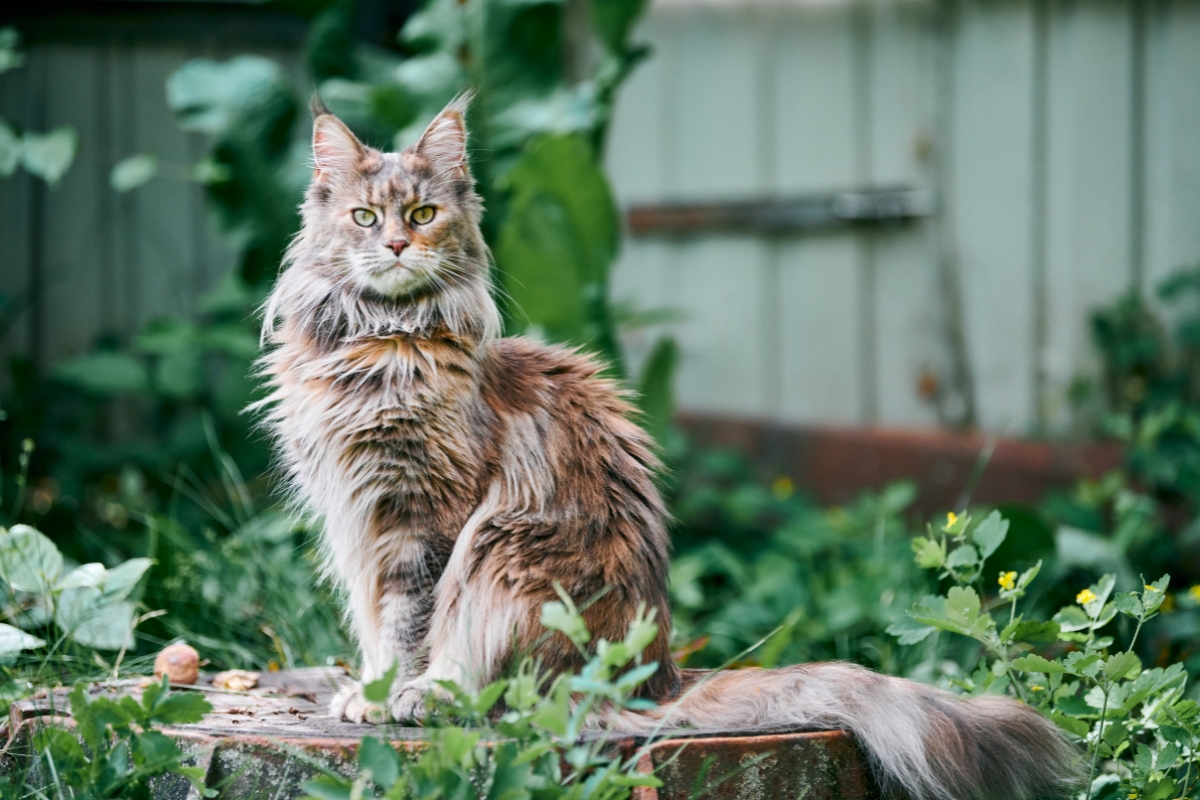
Long-haired cats can swallow substantial amounts of fur during grooming. Regular brushing can therefore become an important part of hairball management.
Can the Right Cat Food Help Prevent Hairballs?
The right diet may help reduce hairball problems, although no food can guarantee complete prevention.
Hairball-control diets generally focus on helping swallowed fur move through the digestive system. Many formulas accomplish this through carefully selected dietary fiber.
Proper nutrition can also support healthy skin and coat condition. A healthier coat may reduce excessive shedding related to nutritional deficiencies.
However, frequent hairballs can sometimes signal another problem. A veterinarian should evaluate recurring vomiting or significant changes in grooming behavior.
What Should You Look for in Cat Food for Hairball Control?
Cat food should provide complete nutrition while addressing your cat’s individual needs.
Consider these nutritional features when discussing hairball management with your veterinarian.
Appropriate Dietary Fiber
Fiber is one of the main nutritional components used in hairball-control foods.
Certain fibers can support intestinal movement. This process may help swallowed hair travel through the digestive tract and leave through the stool.
Common fiber sources in cat foods can include:
- Psyllium
- Cellulose
- Beet pulp
- Chicory root
- Pea fiber
- Other plant-based fibers
However, more fiber does not automatically mean better hairball control.
Too much fiber may affect stool quality or nutrient digestion in some cats. Your veterinarian can help identify an appropriate formula.
Complete and Balanced Nutrition
Hairball management should never replace your cat’s basic nutritional requirements.
Look for food that provides complete and balanced nutrition for your cat’s life stage. Kittens, adults, and senior cats have different nutritional needs.
Your veterinarian may also consider your cat’s weight, activity level, and medical history before recommending a diet.
Digestive Support
Healthy digestion helps swallowed hair move normally through the gastrointestinal tract.
Some cat foods contain highly digestible ingredients and specific fibers that support normal stool quality. Certain formulas also contain prebiotics for digestive support.
Cats with ongoing digestive problems may require a different nutritional approach. Persistent symptoms should always be discussed with a veterinarian.
Moisture
Adequate hydration supports many normal body functions, including digestive health.
Wet cat food provides considerably more dietary moisture than dry food. It can be useful for cats that naturally drink very little water.
Fresh drinking water should also remain available throughout the day.
Which Types of Food May Help Cats With Hairballs?
There is no single diet that works for every hairball-prone cat.
The right choice depends on your cat’s age, coat, digestive health, weight, and other medical needs.
Hairball-Control Cat Food
These diets are formulated specifically for cats prone to hairballs.
They commonly contain selected fiber sources that encourage swallowed hair to move through the digestive tract.
Some formulas also include nutrients designed to support healthy skin and coat condition.
Indoor Cat Food
Some indoor cat formulas provide additional fiber and controlled calories.
These features can be helpful for less-active indoor cats that also struggle with hairballs.
However, an indoor formula is not automatically appropriate for every cat. Check its nutritional profile before making a change.
Wet Cat Food
Wet food provides additional moisture while supplying essential nutrients.
Some hairball-focused formulas are available as wet foods. Other wet diets may support digestive health without being marketed specifically for hairballs.
Veterinary-Recommended Diets
Cats with persistent hairballs may need more individualized nutritional support.
A veterinarian can consider digestive problems, allergies, skin conditions, weight, and other factors before recommending a diet.
This approach is particularly valuable when hairballs occur alongside other symptoms.
Explore Cat Food Options Available Through Our Online Store
Choosing among dozens of cat foods can feel overwhelming. Packaging claims alone may not tell you which option fits your cat.
Belton Animal Clinic & Exotic Care Center offers convenient access to pet foods through our online store.
Depending on your cat’s needs, our team may recommend foods that support:
- Hairball management
- Healthy digestion
- Appropriate fiber intake
- Skin and coat health
- Healthy body weight
- Daily nutritional requirements
- Individual medical or digestive needs
Available options may include dry foods, wet foods, and diets developed for specific nutritional needs. Product availability can change over time.
You can browse the pet food options available through our online store.
Before switching foods, consider discussing your choice with our veterinary team. We can help determine whether a particular diet suits your cat.
Food changes should generally happen gradually. A slow transition can help reduce digestive upset.
What Else Can You Do to Reduce Hairballs?
Nutrition is only one part of effective hairball management.
Reducing the amount of loose hair your cat swallows can make an important difference.
Brush Your Cat Regularly
Brushing removes loose fur before your cat can swallow it.
Long-haired cats may require more frequent grooming. Cats that shed heavily can also benefit from additional brushing during seasonal changes.
Encourage Healthy Hydration
Keep clean, fresh water available every day.
Some cats prefer moving water from a pet fountain. Wet food can also increase dietary moisture.
Watch for Excessive Grooming
Constant grooming is not always normal.
Fleas, allergies, skin irritation, pain, or stress can cause some cats to groom excessively. Increased grooming means more swallowed hair.
Maintain a Healthy Weight
Overweight cats may have difficulty grooming certain areas properly.
Maintaining an appropriate body condition supports mobility and overall wellness. Your veterinarian can recommend suitable feeding portions when needed.
When Are Hairballs a Reason to Visit the Vet?
An occasional hairball may occur in a healthy cat. Repeated vomiting should not automatically be dismissed as normal hairball behavior.
Frequent hairballs or vomiting can sometimes accompany digestive disease or other health problems.
Contact your veterinarian if your cat develops:
- Frequent vomiting
- Repeated unproductive retching
- Reduced appetite
- Unexplained weight loss
- Constipation
- Diarrhea
- Abdominal discomfort
- Low energy
- Excessive grooming
- Noticeable hair loss
Repeated retching without producing a hairball deserves prompt attention. Gastrointestinal obstruction and other medical problems can cause similar symptoms.
Professional veterinary care can help determine whether nutrition, grooming, or an underlying condition contributes to the problem.
Choosing a Hairball Diet for Your Cat
Every cat has individual nutritional requirements.
One cat may respond well to a fiber-focused hairball formula. Another may require support for digestive sensitivity, weight management, or skin health.
That is why nutritional decisions should consider the whole cat rather than one symptom.
Belton Animal Clinic & Exotic Care Center has cared for pets in Cass County for decades. Our practice also holds AAHA accreditation and Cat Friendly Practice recognition.
Our team can evaluate your cat’s coat, body condition, diet, digestive history, and overall health. We can then discuss appropriate nutritional options.
This approach helps families in Belton and surrounding Missouri communities make informed feeding decisions.
Help Your Cat Spend Less Time Dealing With Hairballs
Hairballs may be common, but they should not continually disrupt your cat’s comfort.
Appropriate nutrition can support digestion and help swallowed hair move naturally through the gastrointestinal tract. Regular grooming can further reduce the amount swallowed.
Most importantly, watch for changes in your cat’s normal behavior. Frequent vomiting, appetite changes, or excessive grooming deserve professional attention.
Belton Animal Clinic & Exotic Care Center provides compassionate veterinary care for cats in Belton, MO, and neighboring communities.
Schedule an appointment with our team to discuss your cat’s hairballs, nutrition, and overall wellness.
Frequently Asked Questions:
Q1. What type of cat food is helpful for hairballs?
Ans. Hairball-control foods often contain selected dietary fibers. These fibers can help swallowed hair move through the digestive tract and into the stool.
Q2. Is wet or dry food better for cats with hairballs?
Ans. Both can be appropriate. Many dry hairball formulas provide added fiber, while wet foods increase dietary moisture.
Q3. Does high-fiber cat food help prevent hairballs?
Ans. Certain fiber-containing diets may support the movement of swallowed hair through the intestines. The appropriate fiber level varies between cats.
Q4. How long does hairball-control food take to work?
Ans. Results vary depending on the cat and diet. Give dietary changes time and follow the feeding instructions recommended for your cat.
Q5. Can cats eat hairball-control food every day?
Ans. Many complete and balanced hairball formulas are designed for daily feeding. Confirm that the selected food matches your cat’s life stage.
Q6. Why does my cat still have hairballs after changing food?
Ans. Diet is only one factor. Heavy shedding, overgrooming, skin conditions, or digestive problems may also contribute to recurring hairballs.
Q7. When should I worry about my cat throwing up hairballs?
Ans. Seek veterinary advice when vomiting becomes frequent or accompanies other symptoms. Weight loss, appetite changes, constipation, or repeated retching require attention.