
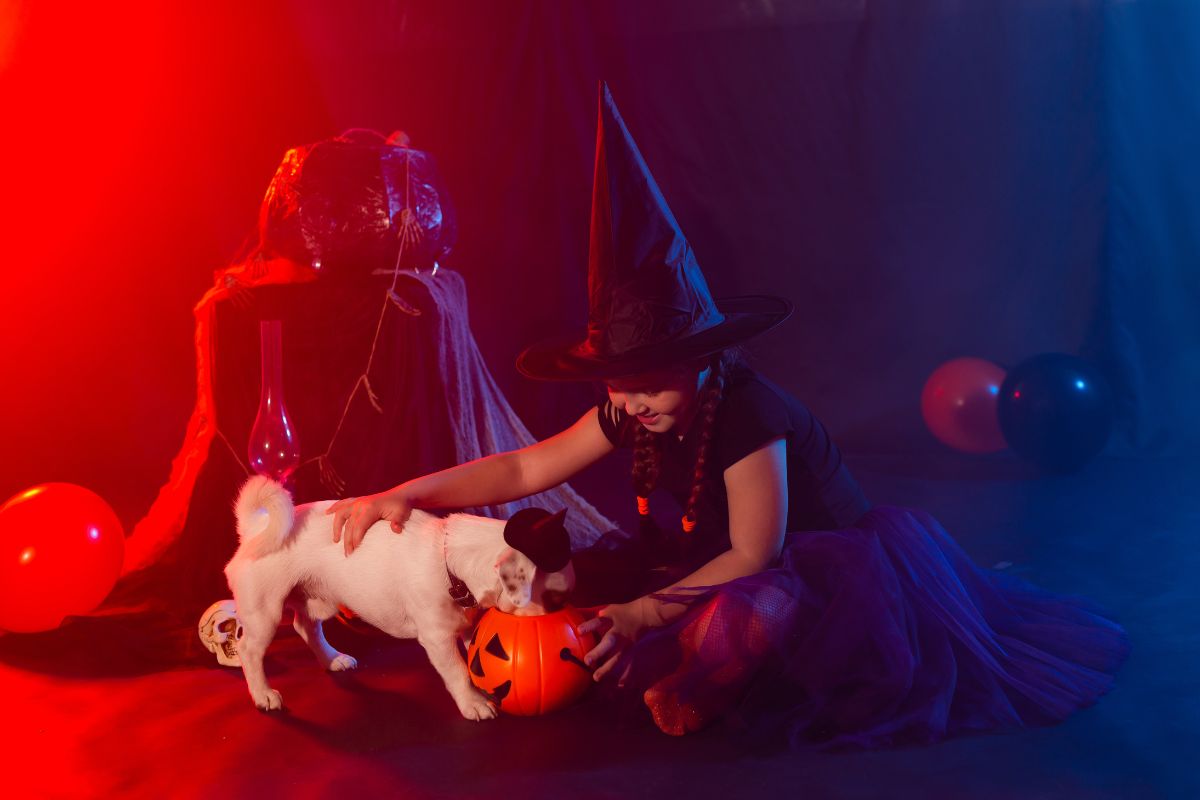
Halloween brings candy bowls, baked treats, party foods, and snacks into many homes. For cat owners in Belton and nearby communities, keeping these foods out of paw’s reach is an important part of preparing for the celebration.
Cats should not share Halloween candy or party food. Some ingredients can be toxic, while others may cause digestive problems, choking, or intestinal obstruction. Knowing which foods pose a risk can help you act quickly if your cat eats something they shouldn’t.
Which Halloween Foods Are Dangerous for Cats?
Several foods commonly served or handed out around Halloween can cause health problems in cats. Keep these items secured in closed cabinets or containers.
1. Chocolate and Cocoa
Chocolate contains theobromine and caffeine, compounds that cats cannot safely process in significant amounts. Dark chocolate, baking chocolate, and cocoa powder contain higher concentrations and may present greater risks.
Possible signs include vomiting, restlessness, abnormal heart rhythms, tremors, and seizures. Take any known chocolate ingestion seriously.
2. Candy and Gum Containing Xylitol
Xylitol is a sugar substitute found in some sugar-free gums, candies, baked products, and mints. Severe xylitol poisoning is well established in dogs, while its effects in cats are less clearly defined.
Because formulations vary and other ingredients may also be unsafe, do not allow your cat to eat sugar-free Halloween products. Contact an animal medical professional for guidance after an accidental ingestion.
3. Onions, Garlic, Chives, and Leeks
Halloween parties may include dips, pizza, sauces, soups, and seasoned meats containing onion or garlic. These ingredients belong to the Allium family and can damage feline red blood cells, potentially leading to anemia.
Cats are particularly susceptible to Allium toxicity. Powdered and concentrated forms can also pose a concern.
4. Alcohol and Alcohol-Containing Desserts
Keep beer, wine, cocktails, and desserts prepared with alcohol inaccessible to cats. Alcohol can affect the nervous system and may cause weakness, poor coordination, vomiting, low body temperature, or breathing problems. Do not wait for severe symptoms after a known alcohol exposure.
5. Coffee, Caffeinated Drinks, and Coffee Desserts
Coffee, energy drinks, caffeinated beverages, and coffee-flavored desserts may contain methylxanthines. These compounds can affect the heart and nervous system. Keep unfinished drinks, coffee grounds, and party desserts out of reach of curious cats.
6. Raw Yeast Dough
Making homemade Halloween bread, pizza, or baked treats? Raw yeast dough should never be accessible to your cat.
The dough can expand inside the stomach. Fermenting yeast can also produce ethanol, creating an additional alcohol-related poisoning risk.
7. Salty Snacks and Heavily Seasoned Foods
Chips, pretzels, seasoned popcorn, and other salty party snacks are not appropriate cat treats. Large amounts of salt may lead to excessive thirst, vomiting, weakness, tremors, or other serious problems. Seasoning blends may also contain onion or garlic powder.
8. Rich, Fatty Party Foods
Fatty meat scraps, greasy appetizers, creamy dips, and rich leftovers may cause vomiting, diarrhea, or other digestive problems. Some cats may develop more significant gastrointestinal illness after eating inappropriate high-fat foods. Stick with your cat’s regular food and feline treats during the celebration.
9. Cooked Bones
Chicken wings and other bone-in appetizers can create another Halloween party hazard. Cooked bones may splinter or become lodged in the mouth, throat, stomach, or intestines.
Do not intentionally make your cat vomit after swallowing a bone unless specifically directed by an animal medical professional.
10. Candy With Wrappers
Sometimes the candy itself is only part of the problem. Foil, plastic, cellophane, lollipop sticks, and other packaging can be swallowed along with a treat.
These materials may cause choking or intestinal obstruction. Keep the entire trick-or-treat bag away from your cat, not just the chocolate.
What Should You Do If Your Cat Eats Halloween Food?
First, identify what your cat ate and save the package or ingredient label. Try to determine approximately how much was eaten and when the exposure occurred.
Contact our animal hospital now if you know or suspect your cat consumed a potentially harmful food. Do not give human medication or attempt to induce vomiting unless specifically instructed to do so.
Prompt attention is particularly important if your cat develops repeated vomiting, tremors, marked weakness, trouble walking, seizures, breathing difficulty, collapse, severe lethargy, or unusual heart activity.
How Can You Prevent Halloween Food Accidents?
Store candy in a closed cabinet rather than an open bowl. Ask children and guests not to share food with your cat. Clear plates and cups promptly, secure trash cans, and check floors for dropped candy and wrappers.
A quiet room with water, litter, familiar bedding, and regular cat treats can also keep your cat separated from food-filled party areas.
Keep Your Cat Safe During Halloween in Belton
A little preparation can prevent a Halloween celebration from turning into a medical concern. If your cat eats chocolate, onion or garlic products, alcohol, raw yeast dough, or another questionable Halloween item, do not rely only on whether symptoms have appeared.
Pet owners in Belton and surrounding Missouri communities can contact Belton Animal Clinic & Exotic Care Center for guidance and a veterinary consultation when appropriate. If you are concerned about something your cat has eaten, call our hospital so a veterinarian can help determine the appropriate next step.
FAQs
Q1. Can cats eat a small piece of Halloween chocolate?
Ans. Chocolate should not be intentionally given to cats. The risk depends on the type of chocolate, the amount consumed, and the cat’s size. Contact Belton Animal Clinic & Exotic Care Center if your cat has eaten chocolate so we can evaluate the exposure appropriately.
Q2. How quickly can a cat become sick after eating something toxic?
Ans. Timing varies depending on the substance, dose, and the individual cat. Some effects can appear within hours, while other problems may develop later. Don’t wait for symptoms if you know your cat has consumed a potentially harmful substance.
Q3. What symptoms should I watch for after my cat eats Halloween candy?
Ans. Watch for vomiting, diarrhea, unusual restlessness, weakness, tremors, poor coordination, breathing changes, seizures, or marked lethargy. Belton Animal Clinic & Exotic Care Center can advise you about whether an examination is appropriate based on what your cat consumed.
Q4. Should I make my cat vomit after eating chocolate or candy?
Ans. No. Do not try to make a cat vomit at home unless an animal medical professional specifically instructs you to. Some home methods can cause additional harm. Seek professional guidance before taking action.
Q5. What if my cat swallowed a candy wrapper?
Ans. A swallowed wrapper could cause digestive irritation or an intestinal blockage. Watch for repeated vomiting, loss of appetite, abdominal discomfort, lethargy, or difficulty passing stool. Belton Animal Clinic & Exotic Care Center can evaluate concerning symptoms or known foreign-object ingestion.