Dental disease is one of the most common — and most overlooked — health issues affecting pets today. For pet owners, especially in Belton, MO, understanding how to protect your dog’s or cat’s oral health can make a significant difference in their overall well-being. Dental problems don’t just cause bad breath; they can lead to pain, infection, tooth loss, and even damage to vital organs.
At Belton Animal Clinic & Exotic Care Center, preventive dental care is an essential part of maintaining your pet’s long-term health. This guide explains how dental disease develops and what you can do to prevent it through consistent care and professional veterinary support.
Why Dental Health Matters for Pets
Dogs and cats use their mouths constantly — for eating, grooming, and exploring their environment. When dental disease develops, it often goes unnoticed until it becomes advanced. Bacteria from the mouth can enter the bloodstream, potentially affecting the heart, liver, and kidneys.
Preventing dental disease helps your pet:
- Avoid chronic pain and discomfort
- Maintain healthy teeth and gums
- Reduce the risk of systemic infections
- Enjoy a better quality of life
Understanding Dental Disease in Dogs and Cats
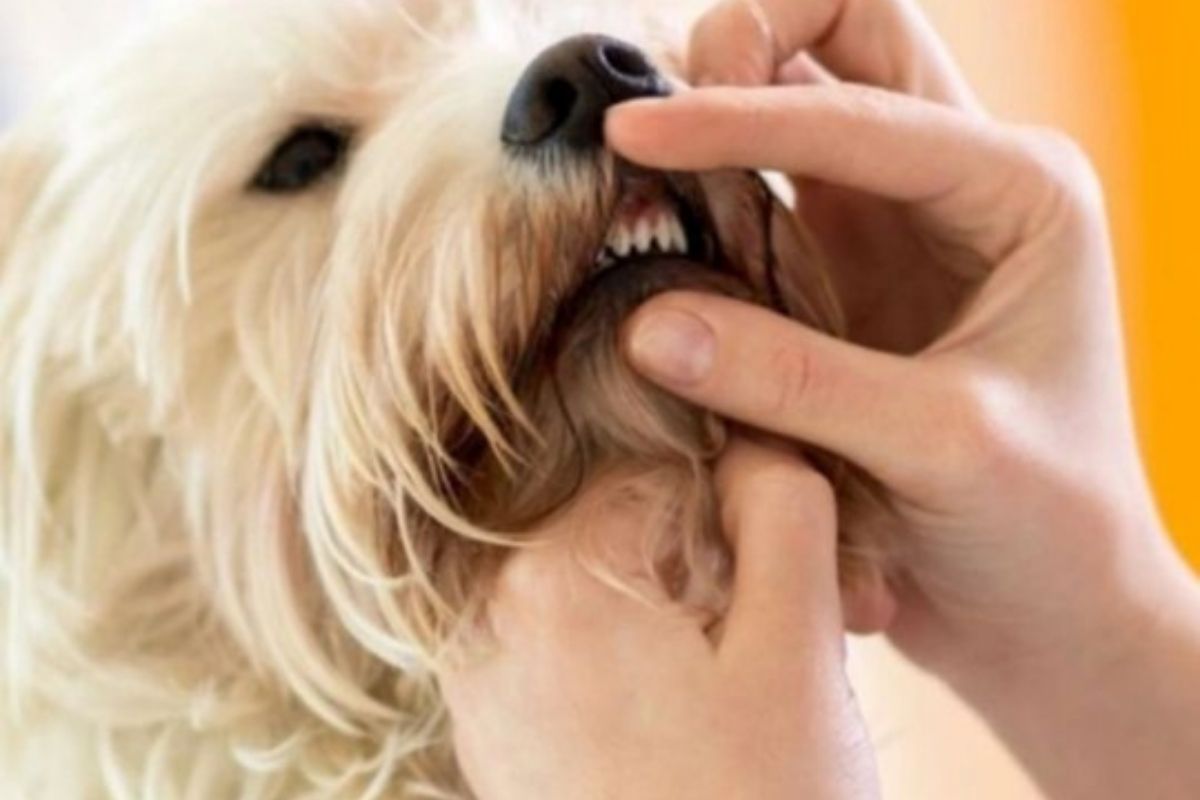
Dental disease typically begins with plaque buildup on the teeth. Over time, plaque hardens into tartar, leading to gum inflammation (gingivitis). If left untreated, this progresses into periodontal disease, which can cause tooth loss and bone damage.
Common signs of dental disease include:
- Bad breath
- Red or bleeding gums
- Difficulty eating or chewing
- Pawing at the mouth
- Loose or missing teeth
Cats often hide discomfort, making regular dental evaluations even more important.
Daily At-Home Dental Care
Preventing dental disease starts at home. Daily oral hygiene is one of the most effective ways to reduce plaque buildup.
Brushing Your Pet’s Teeth
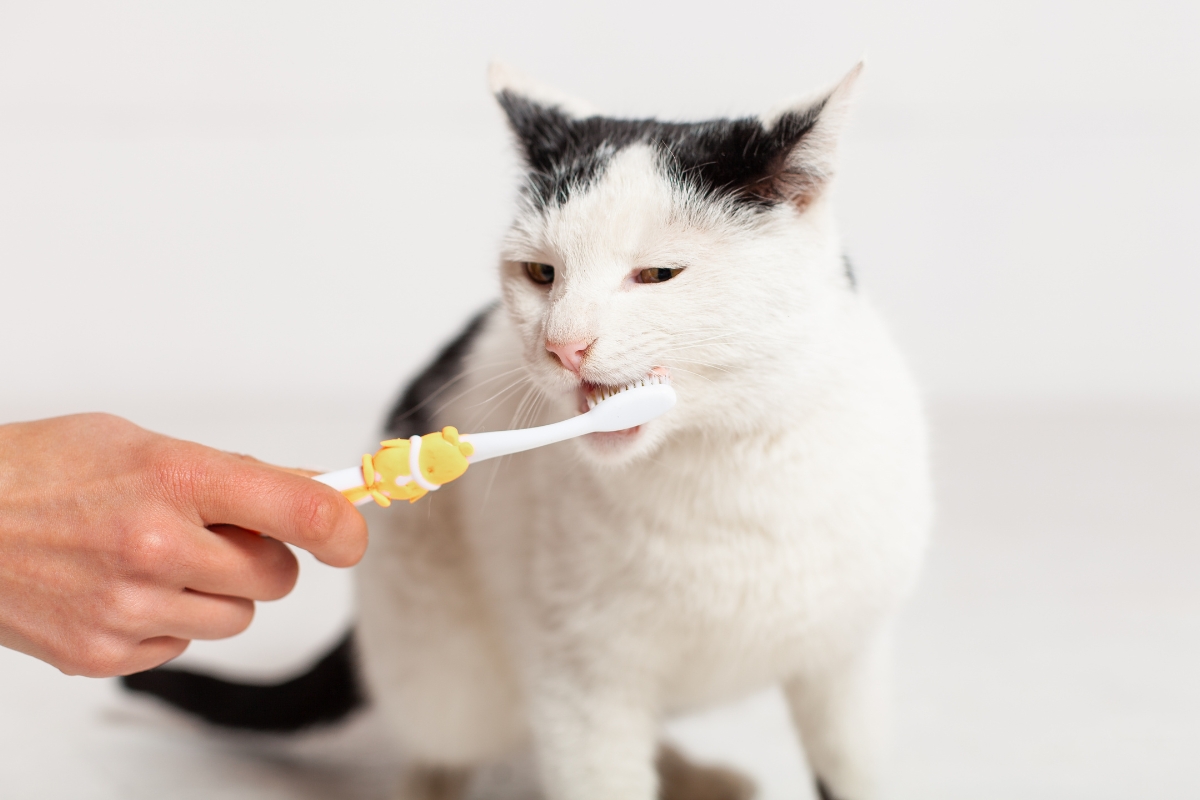
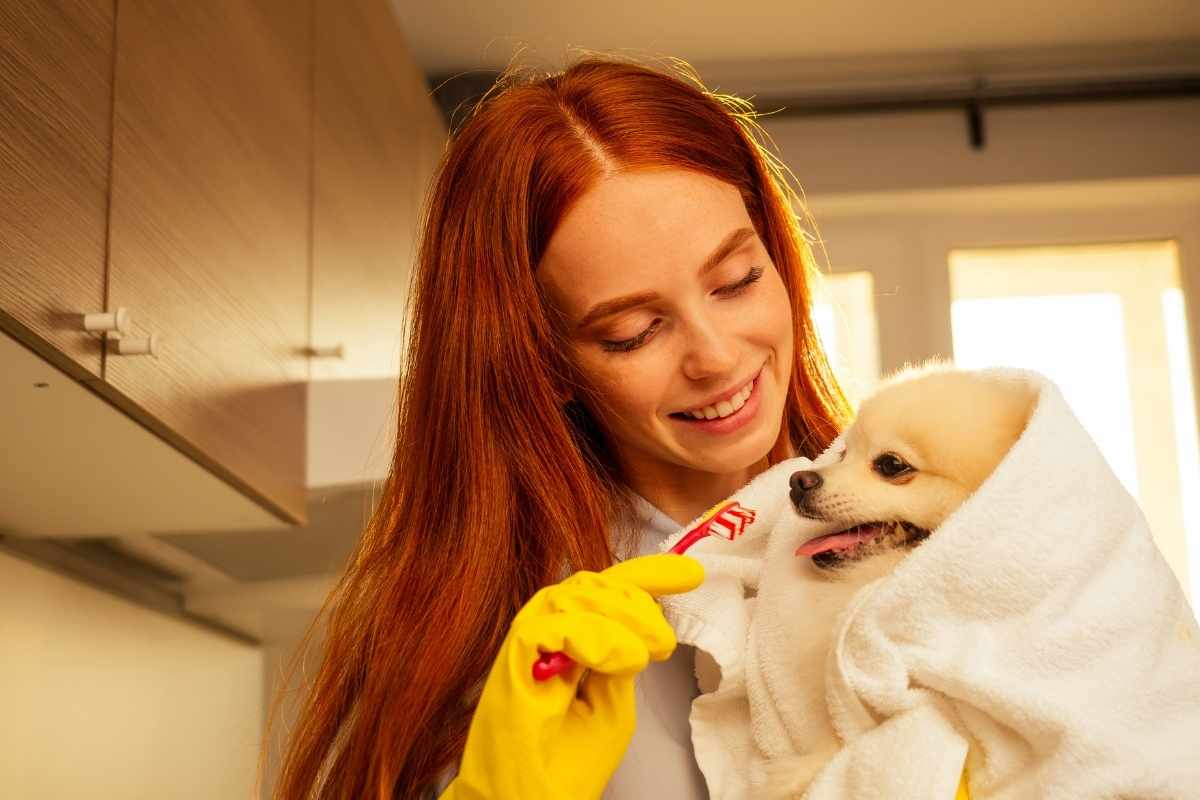
Brushing your dog’s or cat’s teeth several times a week — ideally daily — helps remove plaque before it hardens. Always use pet-safe toothpaste and introduce brushing gradually to keep the experience positive.
Dental Chews and Toys
Veterinary-approved dental chews and toys help mechanically clean teeth while your pet chews. These products can complement brushing but should not replace it.
The Role of Diet in Dental Health
What your pet eats can influence oral health. Some diets are formulated to reduce plaque and tartar buildup. Dry kibble, dental-specific foods, and treats designed for oral care can all support healthier teeth when combined with proper hygiene.
Your veterinarian can help determine whether a dental diet is appropriate for your pet’s age, size, and health needs.
Professional Dental Exams and Cleanings
Even with excellent at-home care, professional dental cleanings are essential. During a dental procedure, veterinarians can:
- Remove tartar above and below the gumline
- Polish teeth to slow plaque buildup
- Identify damaged or infected teeth
- Address gum disease before it worsens
Professional Pet Dental Services allow veterinarians to detect problems that are invisible to the naked eye, including infections below the gumline.
How Often Should Pets Receive Dental Care?
Most pets benefit from annual dental evaluations, though some may need more frequent cleanings depending on breed, age, and oral health history. Small dogs and certain breeds are especially prone to dental disease and may require closer monitoring.
Routine wellness visits provide the perfect opportunity to assess dental health and plan preventive care.
Preventing Dental Disease Through Early Detection
Early intervention is key. Regular veterinary checkups help catch dental issues before they cause pain or require extensive treatment. Puppies and kittens should begin dental evaluations early to establish healthy habits and prevent disease as they grow.
For pets already showing signs of dental disease, prompt treatment can prevent further complications and improve comfort.
Supporting Lifelong Oral Health
Dental care is not a one-time event — it’s a lifelong commitment. Combining daily at-home care with professional veterinary support ensures your pet maintains healthy teeth and gums for years to come.
At Belton Animal Clinic & Exotic Care Center, our team works closely with pet owners to create personalized dental care plans tailored to each pet’s needs.
Schedule Your Pet’s Dental Evaluation Today
Schedule your appointment at Belton Animal Clinic & Exotic Care Center in Belton, MO. Our compassionate veterinary team is dedicated to providing expert care for your pet’s health. Book today for quality and caring service!
FAQs
Q1. How common is dental disease in dogs and cats?
Ans. Dental disease affects most pets by the age of three, making preventive care extremely important.
Q2. How often should I brush my pet’s teeth?
Ans. Ideally, pets should have their teeth brushed daily or at least several times a week.
Q3. Are dental chews enough to prevent dental disease?
Ans. Dental chews help, but should be used alongside brushing and professional cleanings for best results.
Q4. Do indoor cats really need dental care?
Ans. Yes. Indoor cats are just as susceptible to dental disease as outdoor cats.
Q5. When should my pet have a professional dental cleaning?
Ans. Your veterinarian will recommend cleanings based on your pet’s oral health, age, and risk factors.