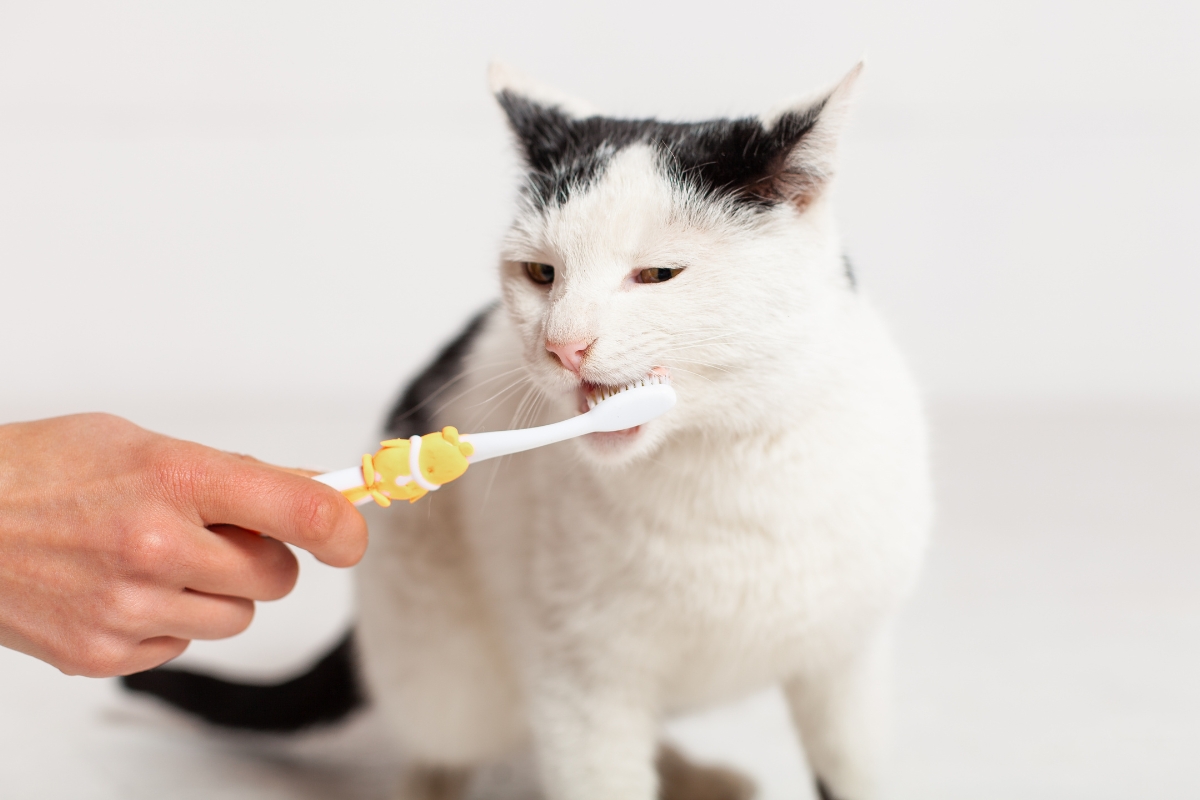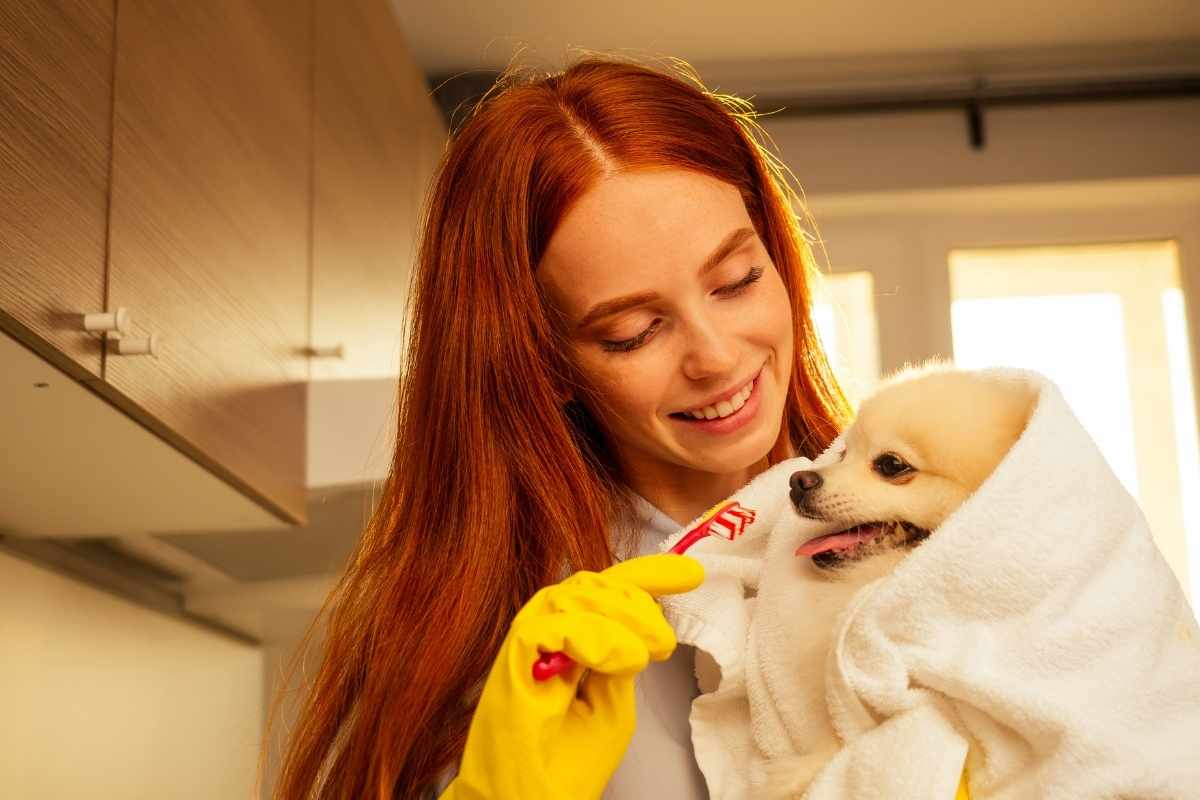
Many pet owners focus on vaccinations, parasite prevention, and annual wellness exams to keep their pets healthy. While these services are essential, dental health is often overlooked despite playing a major role in a pet’s overall well-being. Just like people, dogs and cats develop plaque and tartar over time, which can lead to gum disease, tooth loss, chronic pain, and even health problems affecting other organs.
Professional dental cleanings are more than cosmetic procedures. They are a critical part of preventive veterinary care because they help detect and treat oral disease before it progresses into more serious conditions. Understanding the importance of routine dental care allows pet owners to protect their companions from unnecessary pain while supporting long-term health.
This guide explains why dental cleanings matter, what happens during the procedure, how often pets need professional care, and how you can maintain healthy teeth and gums at home.
Why Preventive Dental Care Matters
Dental disease is one of the most common medical conditions diagnosed in dogs and cats. Studies have shown that many pets develop some degree of periodontal disease by the age of three. Unfortunately, because pets instinctively hide discomfort, dental disease often goes unnoticed until it has become advanced.
Healthy teeth and gums allow pets to eat comfortably, play normally, and maintain a good quality of life. Preventive dental care focuses on identifying problems early, reducing plaque buildup, and preventing painful infections before they require extensive treatment.
How Dental Disease Develops
Dental disease begins with plaque, a sticky film made up of bacteria, saliva, and food particles.
Without regular cleaning:
- Plaque hardens into tartar.
- Tartar accumulates above and below the gumline.
- Gum inflammation develops.
- Bacteria spread deeper around the teeth.
- Bone and tissue supporting the teeth become damaged.
As periodontal disease progresses, teeth may loosen, infections may develop, and chewing can become painful.
Why Professional Dental Cleanings Are Important
Brushing your pet’s teeth at home is beneficial, but it cannot remove hardened tartar beneath the gumline.
Professional dental cleanings allow veterinarians to:
- Remove plaque and tartar
- Clean below the gumline
- Polish tooth surfaces
- Evaluate every tooth
- Detect hidden oral disease
- Reduce harmful bacteria
- Improve oral comfort
These procedures help preserve healthy teeth while reducing the risk of serious dental complications.
Oral Health Affects More Than the Mouth
Dental disease does not remain confined to the teeth and gums.
Chronic oral infections may contribute to inflammation that affects other areas of the body, including:
- Heart
- Kidneys
- Liver
- Lungs
Although not every pet with dental disease develops systemic illness, maintaining good oral health supports overall wellness throughout life.
Signs Your Pet May Need a Dental Cleaning
Many pets continue eating despite significant oral discomfort.
Watch for signs such as:
- Bad breath
- Yellow or brown tartar
- Red or swollen gums
- Difficulty chewing
- Dropping food
- Excessive drooling
- Loose teeth
- Pawing at the mouth
- Bleeding gums
- Reduced appetite
These symptoms should prompt a veterinary examination.
What Happens During a Professional Dental Cleaning?
Professional veterinary dental cleanings involve much more than simply removing visible tartar.
Physical Examination
Before anesthesia, your veterinarian evaluates your pet’s overall health and determines whether dental cleaning is appropriate.
Pre Anesthetic Testing
Blood work may be recommended to evaluate:
- Kidney function
- Liver function
- Blood sugar
- Red and white blood cell counts
This helps improve anesthesia safety.
General Anesthesia
Dental cleanings are performed under anesthesia so veterinarians can thoroughly examine and clean every tooth while keeping pets comfortable and minimizing stress.
Dental X Rays
Many dental problems occur below the gumline and cannot be seen during a visual examination.
Dental radiographs help identify:
- Tooth root infections
- Bone loss
- Fractures
- Tooth resorption
- Hidden abscesses
Scaling and Polishing
Specialized instruments remove plaque and tartar from above and below the gumline before polishing smooths the tooth surfaces to slow future plaque accumulation.
Which Pets Need Dental Cleanings?
Both dogs and cats benefit from routine professional dental care.
Some pets require more frequent cleanings because of:
- Small breed size
- Crowded teeth
- Previous dental disease
- Age
- Certain medical conditions
Your veterinarian will recommend a schedule based on your pet’s individual needs.
Home Dental Care Between Veterinary Visits
Professional cleanings work best when combined with regular home care.
Healthy habits include:
- Daily tooth brushing
- Veterinary approved dental chews
- Dental diets
- Water additives recommended by your veterinarian
- Routine oral examinations at home
These practices help slow plaque buildup between professional cleanings.
What Happens If Dental Disease Is Left Untreated?
Ignoring dental disease may lead to:
- Chronic pain
- Tooth loss
- Gum infections
- Difficulty eating
- Jaw bone damage
- Tooth root abscesses
- Persistent bad breath
Early treatment is generally less invasive and more successful than treating advanced disease.
How Often Should Pets Have Dental Cleanings?
There is no universal schedule.
The ideal frequency depends on factors such as:
- Breed
- Age
- Oral health
- Diet
- Genetics
- Existing dental disease
Many pets benefit from annual dental evaluations, while others may require professional cleanings more or less frequently.
Preventive Dentistry Throughout Every Life Stage
Dental care should begin early and continue throughout your pet’s life.
Puppies and Kittens
Early oral examinations help identify:
- Retained baby teeth
- Bite abnormalities
- Developmental concerns
Positive tooth brushing habits are also easier to establish at a young age.
Adult Pets
Routine dental cleanings help prevent periodontal disease before permanent damage develops.
Senior Pets
Older pets may be more prone to dental disease due to years of plaque accumulation.
Regular examinations remain important for maintaining comfort and quality of life.
The Role of Veterinary Dentistry in Preventive Care
Routine dental examinations allow veterinarians to detect oral problems before they become painful or expensive to treat. Preventive services, including pet dentistry belton, support long-term oral health by identifying early signs of periodontal disease, fractured teeth, and other dental conditions that may otherwise go unnoticed. Incorporating dental evaluations into routine wellness care helps protect both oral and overall health.
Tips for Maintaining Healthy Teeth
You can support your pet’s oral health by:
- Brushing teeth daily when possible
- Scheduling routine veterinary examinations
- Feeding a balanced diet
- Providing safe dental chews
- Monitoring for changes in eating habits
- Watching for persistent bad breath
- Following your veterinarian’s dental recommendations
Small daily habits can make a significant difference over time.
Routine dental cleanings are an essential part of preventive veterinary care because they help protect your pet from painful dental disease while supporting overall health. By removing plaque and tartar, identifying hidden oral problems, and preventing periodontal disease from progressing, professional dental care allows pets to eat comfortably and maintain a better quality of life. Combined with regular home care and wellness examinations, dental cleanings are an investment in your pet’s long-term health. If you’re in Belton, MO, and need guidance from a vet near you on maintaining your pet’s oral health, schedule your appointment with Belton Animal Clinic & Exotic Care Center. Our team can evaluate your pet’s dental health, recommend personalized preventive care, and help keep their teeth and gums healthy through every stage of life.
Frequently Asked Questions
Q1. Why are dental cleanings considered preventive care?
Ans: Professional dental cleanings remove plaque and tartar before they lead to periodontal disease, helping prevent pain, tooth loss, and other health complications.
Q2. How often should my pet have a professional dental cleaning?
Ans: The ideal schedule depends on your pet’s age, breed, and oral health. Many pets benefit from annual dental evaluations, while some may require more frequent cleanings.
Q3. Can I skip professional cleanings if I brush my pet’s teeth?
Ans: No. Daily brushing helps reduce plaque, but it cannot remove hardened tartar beneath the gumline. Professional cleanings remain an important part of maintaining oral health.
Q4. Is anesthesia necessary for veterinary dental cleanings?
Ans: Yes. General anesthesia allows veterinarians to safely clean below the gumline, perform dental X rays, and complete a thorough oral examination without causing stress or discomfort.
Q5. What are the signs my pet may have dental disease?
Ans: Common signs include bad breath, swollen gums, tartar buildup, difficulty chewing, excessive drooling, loose teeth, bleeding gums, and reduced appetite.
Q6. Can dental disease affect my pet’s overall health?
Ans: Yes. Chronic oral infections may contribute to inflammation that can affect other organs over time. Maintaining good oral health supports your pet’s overall well-being and quality of life.