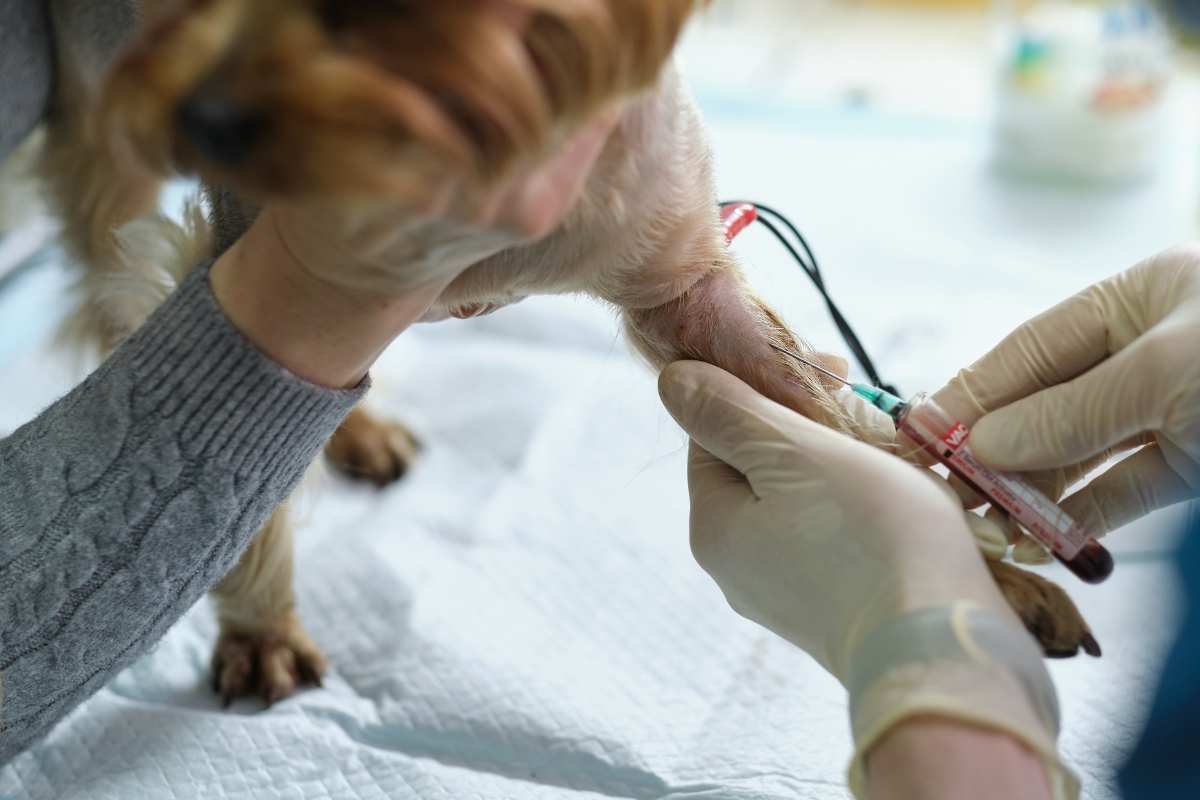
As pets grow older, their healthcare needs often change. Senior dogs and cats may develop age-related conditions gradually, sometimes without obvious symptoms during the early stages. While changes in energy, appetite, or mobility may appear to be a normal part of aging, they can also signal hidden medical issues that require attention.
Routine blood testing is one of the most effective ways to identify underlying health concerns before they become more serious. These tests provide valuable information about organ function, blood cell health, hormone levels, and metabolic activity, helping veterinarians detect problems early and monitor ongoing conditions more effectively.
At Belton Animal Clinic & Exotic Care Center, many pet owners seek guidance on preventive care and wellness testing for senior pets. Families in Belton, MO, and surrounding communities can benefit from understanding how routine bloodwork supports healthier aging and improves long-term quality of life for pets.
Why Blood Tests Matter for Senior Pets
Aging pets are more likely to develop chronic illnesses such as kidney disease, diabetes, liver disease, thyroid disorders, and anemia. In many cases, these conditions progress slowly and may not cause visible symptoms until significant damage has occurred.
Blood tests help veterinarians:
- Detect hidden diseases early
- Monitor organ function
- Evaluate immune system health
- Identify infections or inflammation
- Track chronic conditions over time
- Assess medication safety
Routine screening allows veterinarians to compare current results with previous tests and identify subtle changes that may indicate developing health problems.
Common Health Problems Blood Tests Can Detect
1. Kidney Disease
Kidney disease is common in aging pets, especially senior cats. Because kidneys help filter waste from the bloodstream, declining kidney function can significantly affect overall health.
Possible Warning Signs
- Increased thirst
- Frequent urination
- Weight loss
- Vomiting
- Reduced appetite
Blood tests can measure kidney values and help identify early dysfunction before severe symptoms develop.
2. Liver Disease
The liver performs many essential functions, including filtering toxins and supporting digestion. Bloodwork can detect abnormal liver enzymes that may indicate inflammation, infection, or liver damage.
Symptoms May Include
- Loss of appetite
- Vomiting
- Lethargy
- Jaundice
- Weight loss
Early diagnosis often improves treatment options and helps manage progression more effectively.
3. Diabetes
Senior pets may develop diabetes as they age. Blood glucose testing helps veterinarians identify abnormal sugar levels and monitor diabetic patients over time.
Common Signs of Diabetes
- Increased thirst
- Frequent urination
- Weight loss despite eating
- Increased hunger
- Low energy
Detecting diabetes early allows pets to begin treatment before complications become severe.
4. Thyroid Disorders
Hormonal imbalances are another common concern in aging pets. Cats frequently develop hyperthyroidism, while dogs are more prone to hypothyroidism.
Symptoms of Thyroid Disease
- Weight changes
- Increased appetite
- Hair loss
- Behavioral changes
- Low energy
- Restlessness
Blood testing helps evaluate thyroid hormone levels and guides appropriate treatment plans.
5. Anemia and Blood Cell Abnormalities
A complete blood count can reveal abnormalities involving red blood cells, white blood cells, and platelets.
Blood Cell Issues May Indicate
- Infection
- Inflammation
- Immune disorders
- Internal bleeding
- Bone marrow disease
Pets with anemia may appear weak, pale, or unusually tired.
6. Hidden Infections and Inflammation
Some infections and inflammatory conditions may not produce obvious symptoms initially. Bloodwork can help identify elevated white blood cell counts or inflammatory markers that suggest the body is responding to illness.
Early detection often allows veterinarians to investigate concerns before complications worsen.
How Often Should Senior Pets Have Blood Tests?
Many veterinarians recommend routine blood testing once or twice yearly for senior pets, depending on age, breed, medical history, and overall health status.
More frequent monitoring may be necessary for pets with:
- Chronic diseases
- Ongoing medications
- Previous abnormal bloodwork
- Weight changes
- Appetite or behavior changes
Routine pet diagnostic care helps create a clearer picture of your pet’s long-term health and supports earlier intervention when problems arise.
Preparing Your Pet for Blood Testing
Blood tests are generally quick and minimally invasive. In some cases, fasting may be recommended before testing, especially if glucose or metabolic evaluations are needed.
To help your pet feel more comfortable:
- Keep appointments calm and stress-free
- Bring familiar comfort items if needed
- Follow fasting instructions carefully
- Inform your veterinarian about medications or supplements
Consistent pet diagnostic care also helps veterinarians monitor how aging affects your pet over time.
Pet owners in Belton, MO, should consider routine wellness testing an important part of preventive healthcare for senior pets.
When Should You Contact a Veterinarian?
Even subtle changes in behavior or physical condition can signal hidden health concerns in older pets.
Contact a veterinarian if your pet experiences:
- Increased thirst or urination
- Sudden weight loss
- Appetite changes
- Vomiting or diarrhea
- Low energy
- Difficulty walking
- Behavioral changes
Early medical evaluation often improves treatment outcomes and may help pets maintain a better quality of life as they age.
Routine blood tests play a valuable role in identifying hidden health problems in aging pets before symptoms become severe. Monitoring organ function, hormone levels, and blood cell health allows veterinarians to detect disease early and create personalized treatment plans that support healthier aging.
If you’re in Belton, MO, and need guidance from a vet near you regarding wellness testing or senior pet care, schedule a consultation with Belton Animal Clinic & Exotic Care Center. Our team can help monitor your pet’s health through every life stage and provide personalized care designed to support long-term wellness and comfort.
FAQs
Q1. Why are blood tests important for senior pets?
Ans. Blood tests help detect hidden illnesses early, monitor organ function, and identify changes that may not yet cause visible symptoms.
Q2. How often should aging pets have bloodwork done?
Ans. Many senior pets benefit from blood testing once or twice a year, depending on their age, health history, and medical conditions.
Q3. Can blood tests detect kidney disease in pets?
Ans. Yes. Bloodwork can identify changes in kidney values that may indicate early or advanced kidney disease.
Q4. Do blood tests help diagnose diabetes in pets?
Ans. Yes. Blood glucose testing is commonly used to diagnose and monitor diabetes in dogs and cats.
Q5. Are blood tests safe for older pets?
Ans. Blood tests are generally safe, minimally invasive, and routinely performed as part of preventive healthcare.
Q6. What symptoms should prompt blood testing for a pet?
Ans. Symptoms such as weight loss, appetite changes, increased thirst, lethargy, vomiting, or behavioral changes may indicate the need for bloodwork.