When your pet isn’t feeling well, identifying the root cause quickly is essential for effective treatment. Veterinary diagnostic testing plays a critical role in uncovering underlying health issues that may not be visible during a physical exam. At Belton Animal Clinic & Exotic Care Center, advanced diagnostic tools are used to evaluate your pet’s health with accuracy and care.
This guide is designed to help all pet owners better understand how diagnostic testing supports early detection, accurate diagnosis, and improved outcomes for pets.
Why Diagnostic Testing Is Important
Pets cannot communicate their symptoms the way humans do, which makes diagnostic testing essential in veterinary medicine. These tests help veterinarians:
- Detect diseases early
- Monitor ongoing health conditions
- Evaluate organ function
- Guide treatment decisions
- Prevent complications
Early and accurate diagnosis often leads to more effective treatment and better long-term health.
Common Types of Veterinary Diagnostic Tests
Veterinarians rely on a variety of tools to assess your pet’s condition. Three of the most commonly used diagnostic methods include blood tests, X-rays, and ultrasounds.
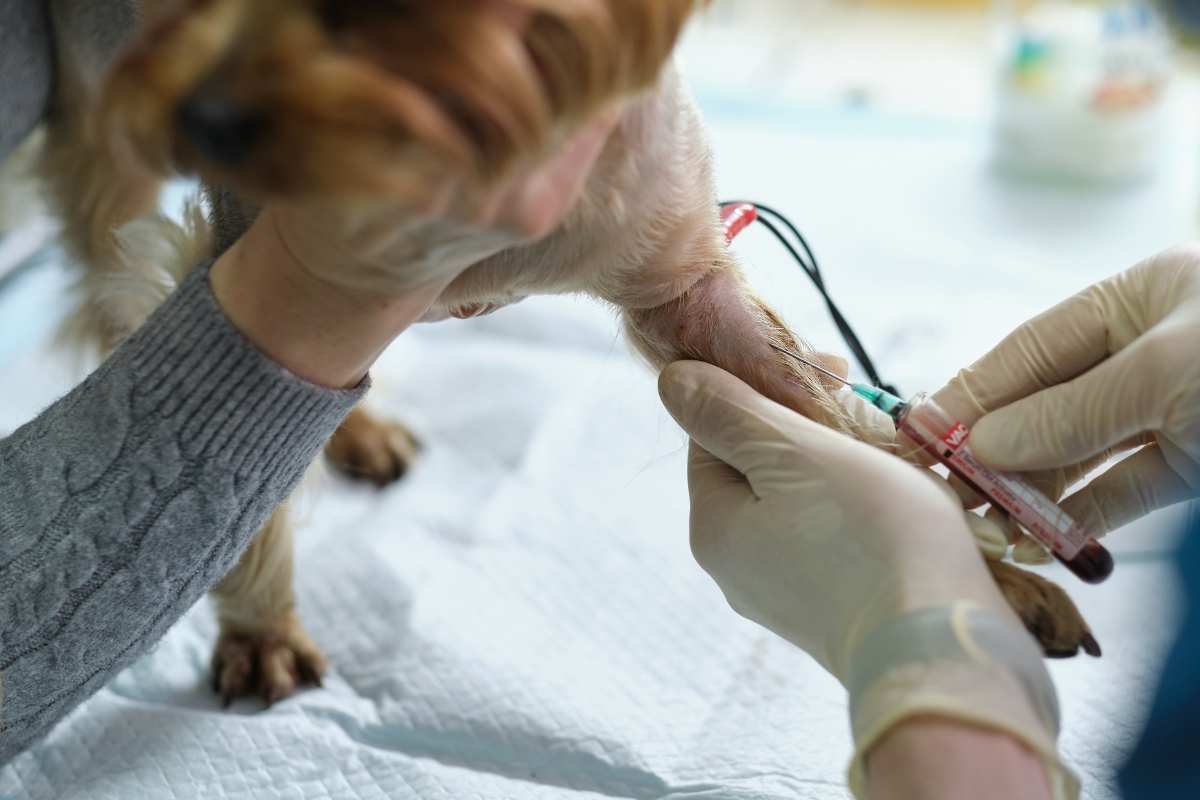
Blood Tests: A Window into Internal Health
Blood tests are one of the most informative and commonly performed diagnostic tools.
What Blood Tests Reveal
Bloodwork can provide valuable insights into:
- Kidney and liver function
- Blood cell counts
- Infection or inflammation
- Blood sugar levels
- Electrolyte balance
When Blood Tests Are Recommended
Veterinarians may recommend blood tests for:
- Routine wellness exams
- Pre-surgical evaluations
- Diagnosing illness or unexplained symptoms
- Monitoring chronic conditions
Blood tests are quick, minimally invasive, and highly effective for assessing overall health.
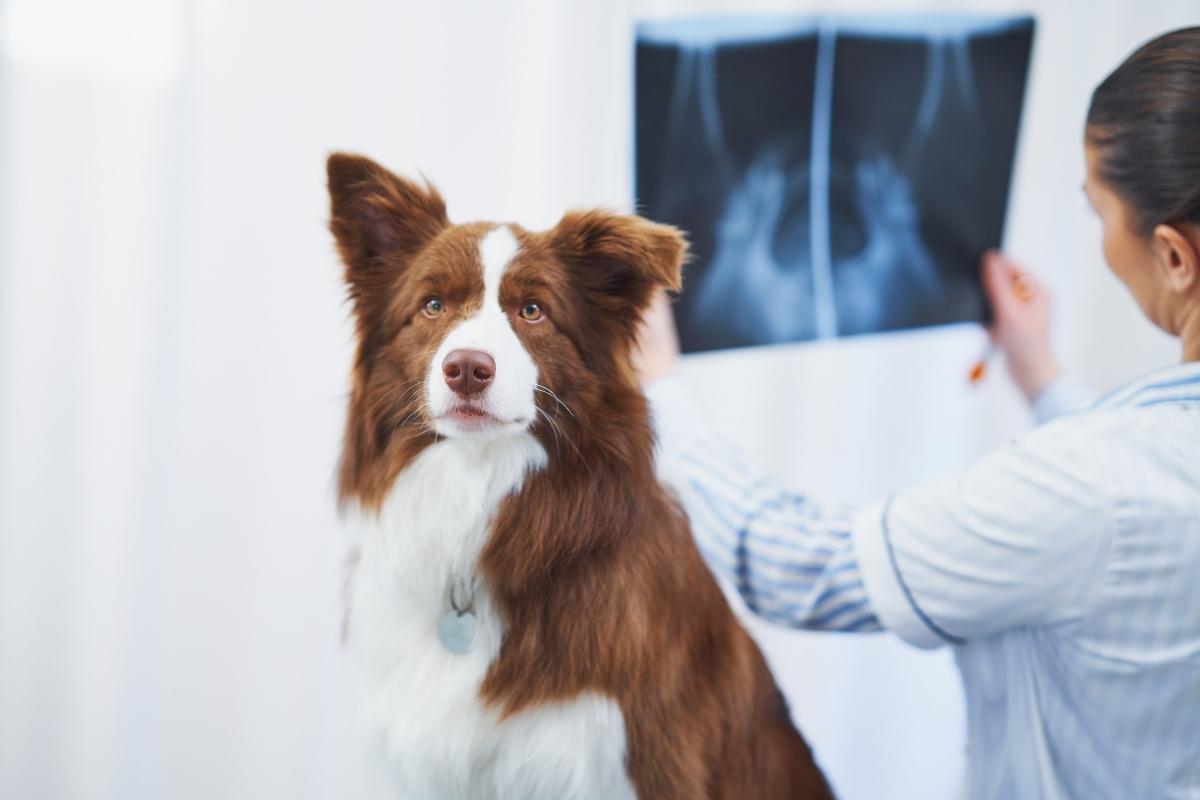
X-Rays: Visualizing Bones and Internal Structures
X-rays (radiographs) use low levels of radiation to create images of your pet’s internal structures.
What X-Rays Can Detect
X-rays are commonly used to identify:
- Bone fractures or injuries
- Joint problems such as arthritis
- Foreign objects
- Tumors or abnormal growths
- Lung and heart conditions
What to Expect
Most X-rays are painless and can be completed quickly. In some cases, mild sedation may be used to keep your pet still during the procedure.
Ultrasound: Detailed Imaging of Soft Tissues
Ultrasound uses sound waves to create real-time images of your pet’s internal organs.
What Ultrasound Can Show
This diagnostic tool is especially useful for evaluating:
- Abdominal organs (liver, kidneys, bladder)
- Heart function (echocardiography)
- Pregnancy
- Fluid buildup or masses
Benefits of Ultrasound
Ultrasound is non-invasive and provides detailed images that help veterinarians make more precise diagnoses.
How Diagnostic Tests Work Together
In many cases, veterinarians use a combination of tests to get a complete picture of your pet’s health. For example:
- Blood tests may indicate a problem
- X-rays can reveal structural changes
- Ultrasound provides detailed imaging of soft tissues
This comprehensive approach ensures accurate diagnosis and effective treatment planning.
The Role of Advanced Diagnostic Care
Modern veterinary medicine relies heavily on advanced tools and techniques. Incorporating pet diagnostic care into routine and emergency visits allows veterinarians to identify issues early and provide targeted treatments.
Regular diagnostic evaluations can be especially important for senior pets or those with chronic health conditions.
When Your Pet May Need Diagnostic Testing
Your veterinarian may recommend diagnostic tests if your pet shows signs such as:
- Loss of appetite
- Lethargy or weakness
- Vomiting or diarrhea
- Difficulty breathing
- Unexplained weight loss
- Changes in behavior
Prompt testing can help identify the cause and begin treatment sooner.
When to Contact a Veterinarian
If your pet is showing unusual symptoms or requires routine health screening, professional evaluation is essential. Schedule your appointment with Belton Animal Clinic & Exotic Care Center to ensure your pet receives an accurate diagnosis and compassionate care.
Frequently Asked Questions
Q1. Are diagnostic tests safe for pets?
Ans. Yes, most diagnostic tests are safe and minimally invasive, with very low risk when performed by professionals.
Q2. How long does it take to get test results?
Ans. Some results, like basic bloodwork, may be available the same day, while others may take longer.
Q3. Does my pet need to be sedated for imaging tests?
Ans. Sedation is not always necessary, but it may be used to keep your pet calm and still during certain procedures.
Q4. Are these tests painful for pets?
Ans. Most diagnostic tests are painless or cause minimal discomfort.
Q5. How often should my pet have diagnostic testing?
Ans. This depends on your pet’s age, health, and risk factors. Your veterinarian can recommend an appropriate schedule.
Q6. Can diagnostic tests detect serious diseases early?
Ans. Yes, early detection is one of the main benefits of diagnostic testing and can improve treatment outcomes.