A skipped step, hesitation before jumping, or a slower walk may seem minor at first. However, subtle changes in mobility can sometimes be early signs of bone or joint discomfort. Small dogs can develop orthopedic conditions such as kneecap problems, joint injuries, and osteoarthritis. Recognizing changes early can help pet owners know when a veterinary examination is appropriate.
At Belton Animal Clinic & Exotic Care Center, veterinarians can evaluate changes in movement and determine whether further diagnostic testing for your pet is needed. Knowing what to watch for at home is an important first step.
What Are the Warning Signs of Bone and Joint Problems in Small Dogs?
Bone and joint problems do not always cause obvious pain. Some dogs simply change the way they move or stop doing activities they previously enjoyed. This makes changes from your dog’s normal routine particularly important.
1. Limping or Favoring One Leg
Limping is one of the more recognizable signs of an orthopedic problem. Your dog may put less weight on one leg or briefly hold a leg off the ground.
A limp can result from many problems, including joint disease, injury, paw problems, or soft-tissue damage. It should not be used to diagnose a condition at home.
2. Suddenly Skipping With a Back Leg
Watch for a dog that occasionally lifts a rear leg, takes several steps on three legs, then resumes walking normally.
This pattern can occur with patellar luxation, which happens when the kneecap moves outside its normal groove. The condition is particularly common in smaller breeds, including Chihuahuas, Yorkshire Terriers, Pomeranians, and Miniature Poodles.
3. Stiffness After Rest
Does your dog seem stiff after waking up or getting out of bed? Does movement improve after walking for a while?
Difficulty rising and stiffness can occur with osteoarthritis and other painful musculoskeletal conditions. These signs deserve attention when they become persistent or progressively worse.
4. Hesitation to Jump or Use Stairs
Small dogs that once jumped onto the couch or climbed stairs without hesitation may suddenly pause, refuse, or wait to be carried.
Difficulty jumping, climbing stairs, rising, or exercising can be associated with orthopedic pain. A consistent change in mobility is worth discussing with your veterinarian.
5. Changes in Walking or Posture
Look closely at how your dog stands and walks. Possible changes include:
- Taking shorter or slower steps
- Walking with an unusual gait
- Keeping weight off one limb
- Holding the back differently
- Becoming less willing to walk or play
These changes can be subtle, especially when several joints are uncomfortable.
6. Sensitivity When Touched or Picked Up
A normally social dog may pull away, tense up, whimper, growl, or resist being handled when something hurts. Some dogs may repeatedly lick or chew around a painful area. Changes in behavior can therefore provide useful clues even when limping is absent.
When Should You Schedule a Veterinary Examination?
A brief episode of mild stiffness after unusually strenuous activity may sometimes be monitored closely if your dog otherwise acts normally. However, schedule an examination if limping persists, keeps returning, mobility declines, or your pet appears uncomfortable.
Seek prompt veterinary attention after significant trauma, when your dog cannot bear weight on a limb, or when pain appears severe. Sudden weakness or an inability to stand also warrants urgent assessment.
How Are Bone and Joint Problems Evaluated?
The veterinarian may observe your dog’s gait and examine the limbs, joints, muscles, and range of motion. Your pet’s history also matters, including when the problem began, any recent injuries, changes in activity, and whether symptoms are becoming more frequent.
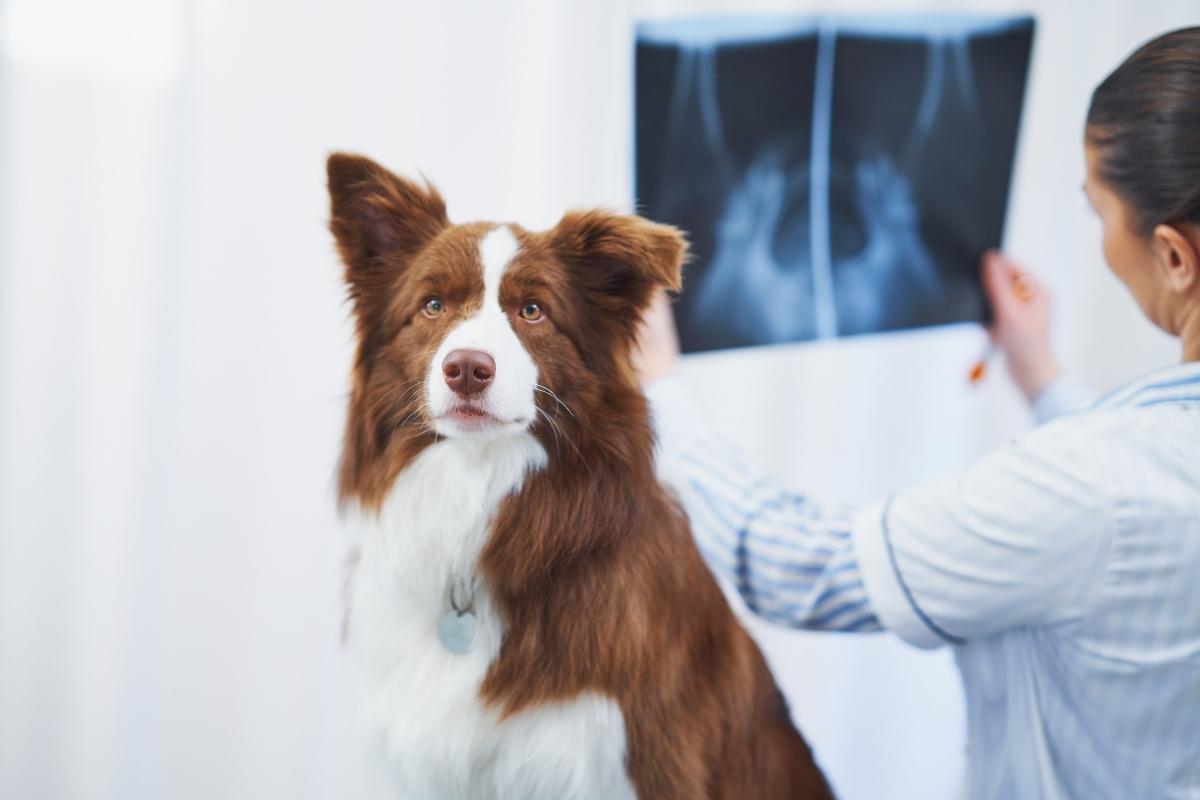
Depending on the findings, pet diagnostic imaging such as X-rays may be recommended to look for fractures, arthritis, or other changes involving bones and joints. The clinic provides in-house X-ray capabilities to support evaluation when imaging is appropriate.
If you notice persistent changes in your dog’s movement, you can visit our pet care center for a veterinary assessment rather than trying to determine the cause from symptoms alone.
What Treatment Options May Help?
Treatment depends on the underlying condition, its severity, your dog’s age, body condition, and overall health. There is no single treatment that is right for every orthopedic problem.
Depending on the diagnosis, a veterinarian may discuss:
- Weight management to reduce unnecessary stress on joints
- Controlled, low-impact physical activity
- Veterinary-prescribed medication for pain and inflammation
- Rehabilitation or other supportive therapies when appropriate
- Surgical treatment for certain structural or severe orthopedic problems
For osteoarthritis, weight optimization, controlled exercise, and veterinarian-directed pain management can form important parts of care. Some orthopedic conditions, including more significant patellar luxation, may require surgical evaluation.
Never give human pain medication or change a prescribed medication without veterinary guidance.
Pay Attention to Small Changes Before They Become Bigger Concerns
Small dogs cannot tell us when a knee aches or a joint hurts. Their behavior and movement often provide the first clues. Repeated skipping, stiffness, limping, reduced activity, difficulty jumping, or sensitivity to touch should not simply be dismissed as aging or personality.
If these changes continue, Belton Animal Clinic & Exotic Care Center can perform an examination and determine whether diagnostic testing for your pet is appropriate. Early veterinary assessment can help identify the source of discomfort and guide the next steps for keeping your companion mobile and comfortable.
FAQs
Q1. Can a young dog develop joint problems?
Ans. Yes. Joint problems are not limited to senior pets. Developmental conditions such as patellar luxation can affect younger dogs, while injuries can occur at virtually any age.
Q2. Why does my dog skip on one back leg while walking?
Ans. Occasional rear-leg skipping can occur with a luxating patella, but other orthopedic problems can cause similar changes. Repeated episodes should be evaluated rather than diagnosed based on gait alone.
Q3. Is stiffness after sleeping a sign of arthritis?
Ans. It can be. Osteoarthritis may cause difficulty rising and stiffness following rest. However, similar symptoms can occur with other musculoskeletal problems, so persistent stiffness warrants a veterinary examination.
Q4. Can keeping my dog at a healthy weight help the joints?
Ans. Maintaining an appropriate body condition can reduce unnecessary mechanical stress on joints. Weight optimization is particularly important for dogs with osteoarthritis or those at increased orthopedic risk.
Q5. Will every joint problem require surgery?
Ans. No. Treatment depends on the diagnosis and severity. Some conditions may be managed with weight control, controlled exercise, medication, or supportive care, while structural orthopedic problems may require surgery.
Q6. When is limping in small dogs an emergency?
Seek prompt care if your dog cannot use a limb, has severe or rapidly worsening pain, develops significant swelling after trauma, or cannot stand normally. Mild but persistent or recurring limping should also be examined by a veterinarian.