Feline leukemia virus (FeLV) is a contagious viral infection that can weaken a cat’s immune system and increase the risk of anemia, certain cancers, and other serious health problems. Because infected cats may appear healthy for months or years, testing is an important part of preventive veterinary care. Understanding when cats need an FeLV test helps pet owners make informed decisions about their companions’ health.
At Belton Animal Clinic & Exotic Care Center, preventive examinations and appropriate pet diagnostics help veterinarians assess individual health risks and recommend suitable testing. Knowing which cats should be screened, how the test works, and what results mean can help families protect their pets and reduce the risk of infection.
What Is Feline Leukemia Virus (FeLV)?
FeLV is a retrovirus that primarily spreads through close contact between cats. Infected cats can transmit the virus through saliva, including during mutual grooming, shared food and water bowls, and bite wounds. Transmission may also occur from an infected mother to her kittens during pregnancy or nursing.
Not every exposed cat develops a persistent infection. Some cats can control the virus, while others develop progressive infections that may lead to long-term health complications. FeLV is not contagious to humans or dogs, but it can spread among cats.
When Should Cats Get an FeLV Test?
Veterinarians recommend testing based on a cat’s age, exposure history, lifestyle, and health status. Common situations that warrant screening include:
1. Kittens and Newly Adopted Cats
Kittens should be tested for FeLV, particularly when their infection status is unknown. Maternal antibodies do not interfere with standard FeLV antigen testing, so kittens can be screened at a young age. However, recent exposure or infection status may require follow-up testing.
Newly adopted cats should also be tested if their previous medical history is incomplete or reliable results are unavailable.
2. Cats Before Introducing Them to Other Cats
Testing is important before bringing a new cat into a household with resident cats, especially if they will share living spaces, food bowls, or grooming contact. Knowing each cat’s FeLV status helps owners and veterinarians plan appropriate precautions.
3. Cats That Go Outdoors or Have Unknown Exposure
Outdoor cats, cats that roam freely, and those that regularly encounter unfamiliar cats have a greater opportunity for exposure. Cats with bite wounds or known contact with an FeLV-positive cat should be evaluated promptly.
4. Cats Showing Signs of Illness
FeLV testing may be appropriate when a cat has unexplained weight loss, persistent fever, pale gums, recurring infections, reduced appetite, or ongoing lethargy. These signs can occur with many conditions, so a test helps the veterinarian investigate possible causes rather than relying on symptoms alone.
5. Cats Before FeLV Vaccination
Testing is recommended before starting an FeLV vaccination series because vaccination does not treat an existing infection. Vaccination decisions should reflect the cat’s age, lifestyle, exposure risk, and veterinary assessment.
How Does an FeLV Test Work?
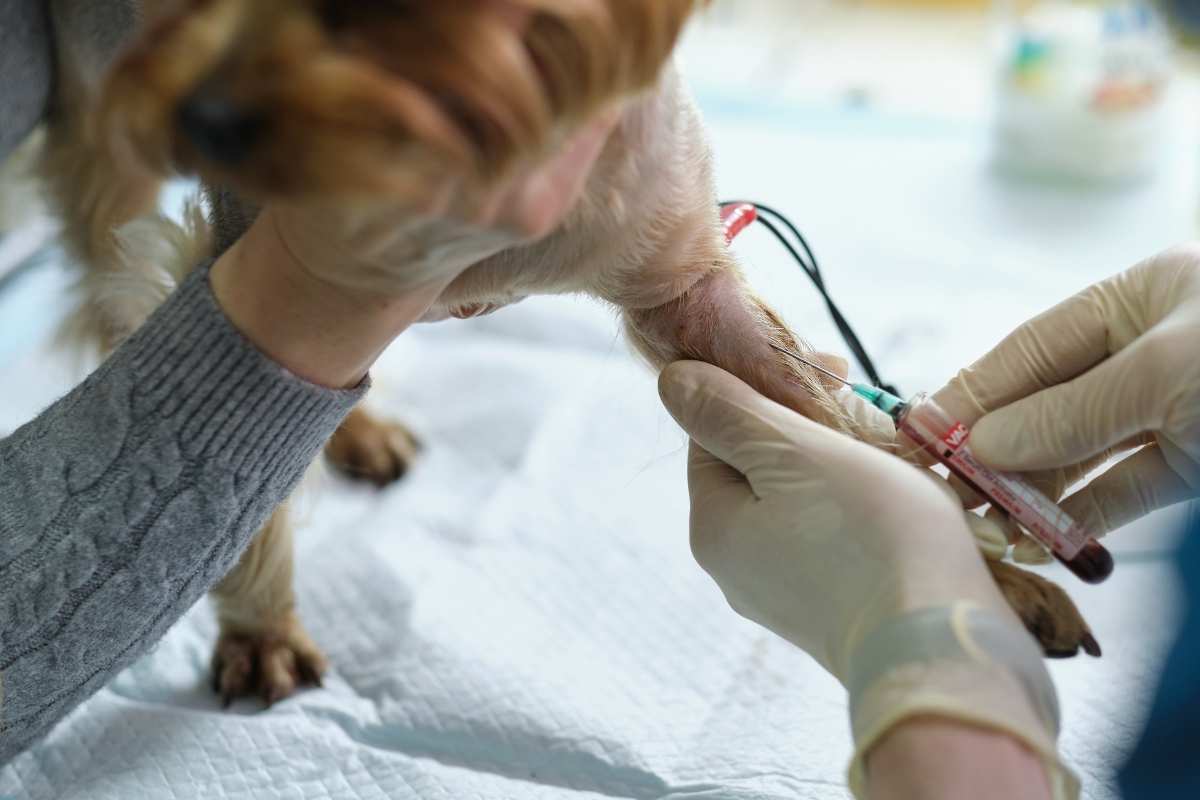
Most initial FeLV screenings use a blood sample to detect the viral p27 antigen. This test can often be performed in a veterinary clinic, allowing results to be available quickly.
A positive screening result does not always establish a permanent infection. Your veterinarian may recommend additional testing, such as a laboratory-based antigen test, PCR testing, or repeat testing, depending on the initial result and the cat’s exposure history.
A negative result also has limitations. If a cat was exposed recently, the virus may not yet be detectable. Repeat testing, often at least 30 days after the last potential exposure, may be recommended. Your veterinarian will determine the appropriate timing for your cat.
What Happens If a Cat Tests Positive?
A positive result can be concerning, but it does not automatically mean a cat will become seriously ill immediately. Confirmatory testing and individualized veterinary guidance are important next steps.
Depending on the findings, your veterinarian may recommend:
- Regular health monitoring: Routine examinations and appropriate bloodwork can help identify changes early.
- Indoor living: Keeping an FeLV-positive cat indoors reduces exposure to other infections and helps prevent transmission to uninfected cats.
- Household precautions: Discuss separation and safe living arrangements with your veterinarian if other cats are FeLV-negative.
- Prompt treatment: Address infections, appetite changes, and other health concerns early.
Although there is no cure that reliably eliminates FeLV, supportive veterinary care can help many infected cats maintain a good quality of life.
Can FeLV Be Prevented?
Prevention begins with testing cats of unknown status and reducing contact with infected cats. Keeping cats indoors or providing secure outdoor enclosures can lower exposure risks. FeLV vaccination is also available and is particularly important for kittens and cats with ongoing exposure risks.
Vaccination reduces the likelihood of infection but does not provide complete protection. Your veterinarian can help determine the appropriate vaccination schedule and whether booster doses are needed.
Protect Your Cat With Timely Testing
FeLV testing helps identify infection risk, guide vaccination decisions, and protect cats living together. Kittens, newly adopted cats, outdoor cats, and cats with possible exposure may benefit from screening, while sick cats may need testing as part of a broader diagnostic evaluation.
If you need guidance from a vet near you in Belton, MO, contact Belton Animal Clinic & Exotic Care Center to discuss your cat’s risk factors and appropriate testing options. Schedule your appointment for personalized preventive care and guidance on keeping your feline companion healthy.
Frequently Asked Questions
Q1. How often should cats be tested for FeLV?
Ans: Cats should be tested when first acquired, after potential exposure, and whenever their health or lifestyle warrants screening. Cats with continued exposure risks may need additional testing based on veterinary advice. Belton Animal Clinic & Exotic Care Center can help determine an appropriate testing plan.
Q2. Can an indoor cat get feline leukemia?
Ans: Yes, although the risk is generally lower for cats that live exclusively indoors and have no contact with infected cats. An indoor cat may have been exposed before adoption or through contact with an infected household cat.
Q3. Is an FeLV test painful for cats?
Ans: The test usually requires a small blood sample collected by a veterinary professional. Cats may experience brief discomfort during the needle insertion, but the procedure is generally quick.
Q4. Can a cat with FeLV live a normal life?
Ans: Some FeLV-positive cats remain healthy for extended periods, while others develop complications. Regular veterinary examinations, appropriate nutrition, indoor living, and prompt treatment of illness can support their quality of life.
Q5. Should I separate an FeLV-positive cat from my other cats?
Ans: FeLV-positive cats should not have unrestricted close contact with uninfected cats. Because transmission can occur through prolonged close contact, discuss testing, vaccination, and separation options with your veterinarian to protect every cat in your household.
Q6. Does the FeLV vaccine eliminate an existing infection?
Ans: No. The FeLV vaccine helps reduce the risk of future infection but does not treat an infection already present. Testing before vaccination and following your veterinarian’s recommendations are important steps in managing your cat’s health.