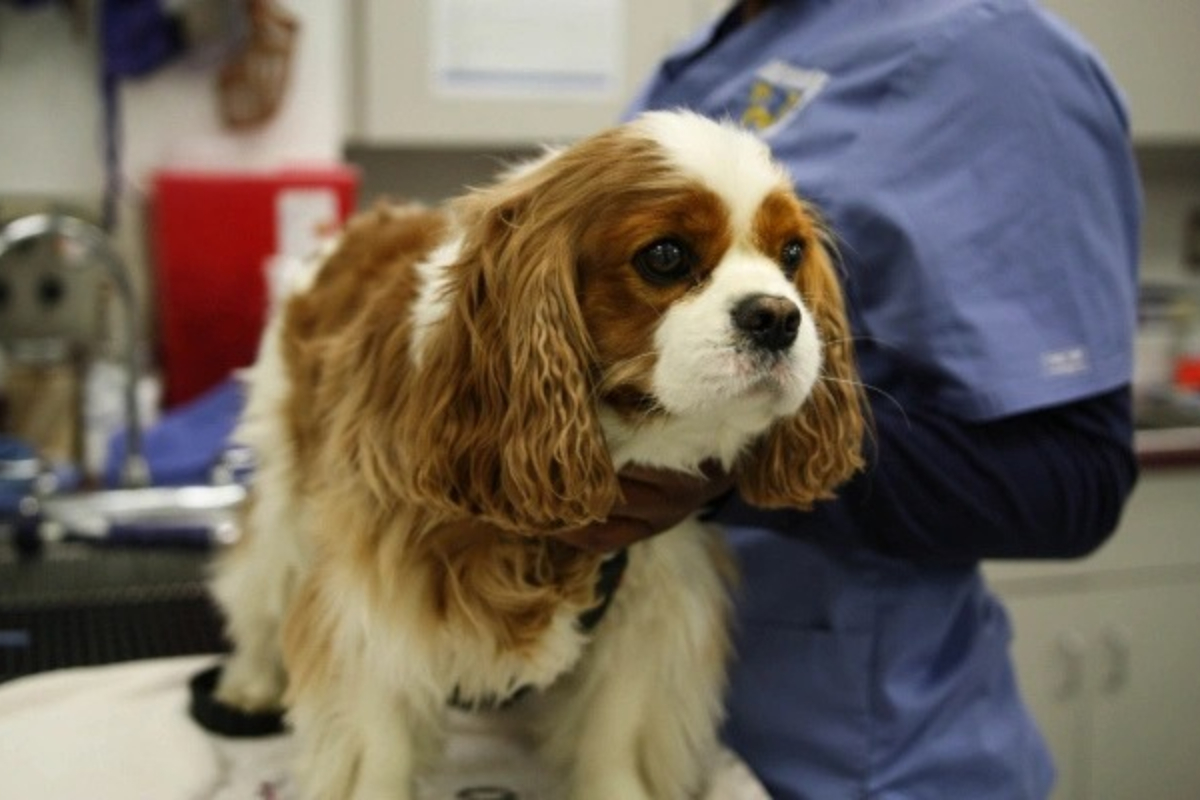
A cough in dogs can develop for several reasons, ranging from temporary throat irritation to respiratory infections and underlying heart or lung conditions. While occasional coughing may not indicate a serious problem, persistent or worsening symptoms should not be ignored. Understanding the possible causes can help pet owners recognize when their dogs need veterinary attention.
At Belton Animal Clinic & Exotic Care Center, diagnostic evaluations help investigate symptoms such as persistent coughing and identify potential health concerns. Understanding the causes of coughing and available pet diagnostic care options can help owners make informed decisions about their dog’s respiratory health.
What Are the Common Causes of Coughing in Dogs?
A dog’s cough may sound dry, moist, harsh, or similar to gagging. Its characteristics and accompanying symptoms can provide useful clues about the underlying cause.
1. Kennel Cough
Kennel cough, also known as infectious tracheobronchitis, is a contagious respiratory condition commonly associated with group environments such as boarding facilities, daycare centers, and dog parks.
Affected dogs often develop a persistent, dry, hacking cough that may sound like something is stuck in their throat. Some dogs also experience sneezing, nasal discharge, or mild lethargy.
2. Respiratory Infections
Bacterial and viral infections can affect a dog’s respiratory tract and cause coughing. Other symptoms may include fever, nasal discharge, reduced appetite, and low energy.
Some respiratory infections can progress into pneumonia, making timely veterinary evaluation important.
3. Tracheal Collapse
Tracheal collapse occurs when the cartilage rings supporting the windpipe weaken, causing the airway to narrow. It is more common in small-breed dogs.
Affected dogs may develop a distinctive honking cough, particularly during exercise, excitement, or pressure around the neck.
4. Heart Disease
Certain heart conditions can contribute to coughing, particularly when they cause fluid buildup in or around the lungs. Dogs may also show exercise intolerance, rapid breathing, weakness, or reduced activity.
5. Allergies and Airway Irritation
Dust, smoke, pollen, household chemicals, and other airborne irritants can trigger coughing. Some dogs may also experience sneezing, watery eyes, or nasal irritation.
Persistent symptoms should be evaluated to rule out other respiratory conditions.
What Diagnostic Tests Help Identify the Cause of Dog Coughing?
Because different conditions can produce similar symptoms, a veterinary examination is important for identifying the underlying cause.
Depending on your dog’s symptoms and medical history, diagnostic testing may include:
Physical Examination
The veterinarian evaluates breathing patterns, listens to the heart and lungs, checks the throat, and reviews your dog’s medical history. These findings help determine which additional tests may be necessary.
Chest X-Rays
Thoracic radiographs help evaluate the lungs, heart size, and surrounding structures. They can reveal signs of pneumonia, fluid accumulation, airway abnormalities, and certain other respiratory conditions.
Blood Tests
Blood work can help identify signs of infection, inflammation, and other abnormalities that may contribute to your dog’s symptoms.
Additional Diagnostic Testing
Depending on the initial findings, further evaluation may include airway sampling, infectious disease testing, or cardiac assessments. These tests help narrow down possible causes and guide treatment decisions.
When Should You Take Your Dog to a Veterinarian?
An occasional cough may not always require immediate intervention, but persistent or recurring coughing deserves veterinary evaluation.
Schedule an examination if your dog experiences:
- Coughing that continues or becomes more frequent.
- Nasal discharge or repeated sneezing.
- Reduced appetite or unusual tiredness.
- Coughing after exercise or excitement.
- Changes in breathing patterns.
Seek immediate veterinary attention if your dog experiences difficulty breathing, blue or pale gums, collapse, or severe respiratory distress. These signs may indicate a serious condition requiring urgent treatment.
Dog coughing can result from respiratory infections, airway abnormalities, heart disease, and environmental irritants. Identifying the underlying cause through a physical examination and appropriate diagnostic testing helps guide effective treatment and supports better respiratory health.
If you are looking for reliable pet diagnostic care in Belton, MO, Belton Animal Clinic & Exotic Care Center offers in-house diagnostic testing, X-rays, and ultrasound imaging to help investigate your dog’s health concerns. Schedule your appointment to have persistent coughing evaluated and determine the appropriate next steps for your pet’s care.
Frequently Asked Questions
Q1. Why does my dog keep coughing but seem otherwise healthy?
Ans: Some respiratory conditions, including kennel cough and early airway disorders, can cause persistent coughing without obvious changes in appetite or energy. A veterinary examination can help identify the underlying cause.
Q2. How does Belton Animal Clinic & Exotic Care Center help diagnose respiratory problems in dogs?
Ans: The clinic provides in-house diagnostic testing, including X-rays and ultrasound imaging. These tools help veterinarians evaluate the lungs, heart, and surrounding structures when investigating persistent coughing.
Q3. Can chest X-rays identify the cause of coughing in dogs?
Ans: Chest X-rays can reveal lung abnormalities, pneumonia, fluid accumulation, and changes in heart size. Additional testing may be needed to confirm the specific condition.
Q4. How can veterinary diagnostic testing help identify kennel cough or pneumonia?
Ans: A physical examination and medical history help assess respiratory symptoms. Depending on the findings, veterinarians may recommend chest X-rays, laboratory testing, or infectious disease tests to distinguish between possible conditions.
Q5. When should I bring my coughing dog to Belton Animal Clinic & Exotic Care Center?
Ans: Bring your dog in if coughing becomes persistent, worsens, or occurs alongside nasal discharge, reduced appetite, or unusual tiredness. The clinic offers same-day appointments in most situations, subject to availability.
Q6. Can a dog’s cough indicate heart disease?
Ans: Yes. Certain heart conditions can contribute to coughing, especially when fluid accumulates in the lungs. Additional signs may include exercise intolerance, rapid breathing, and weakness. Veterinary evaluation helps determine whether cardiac testing is needed.