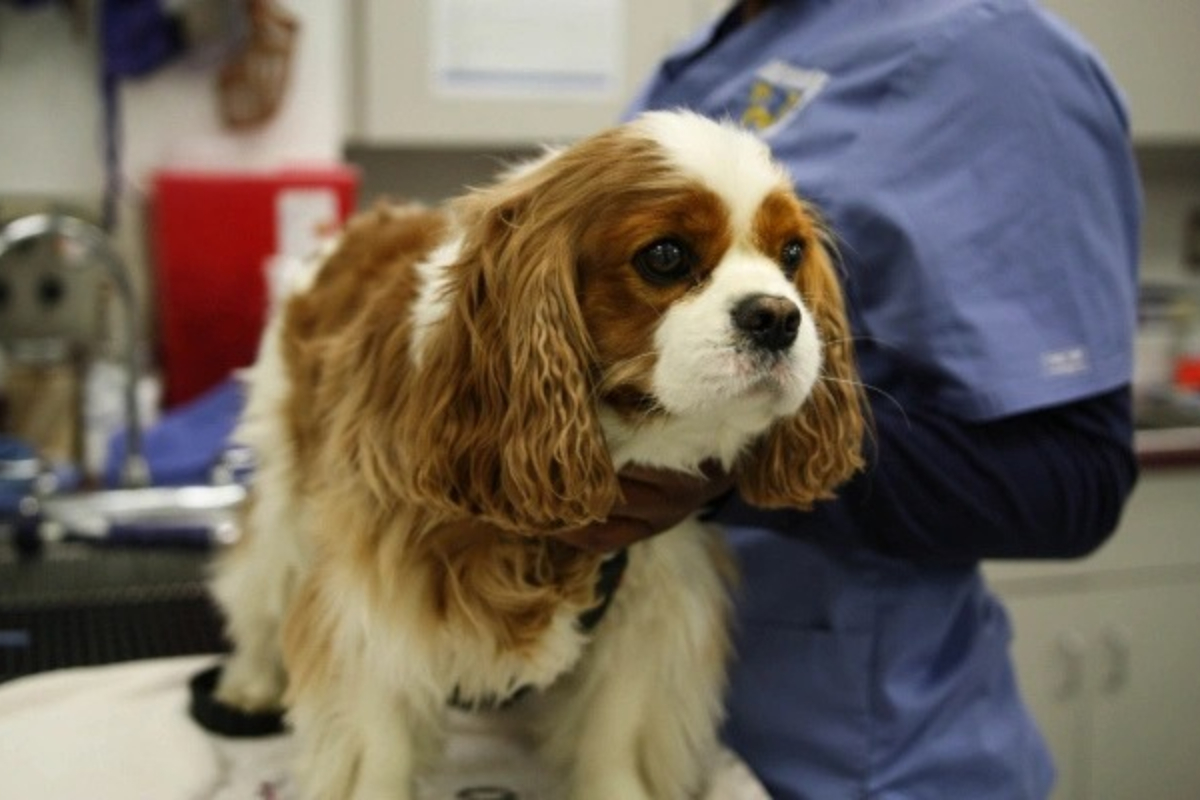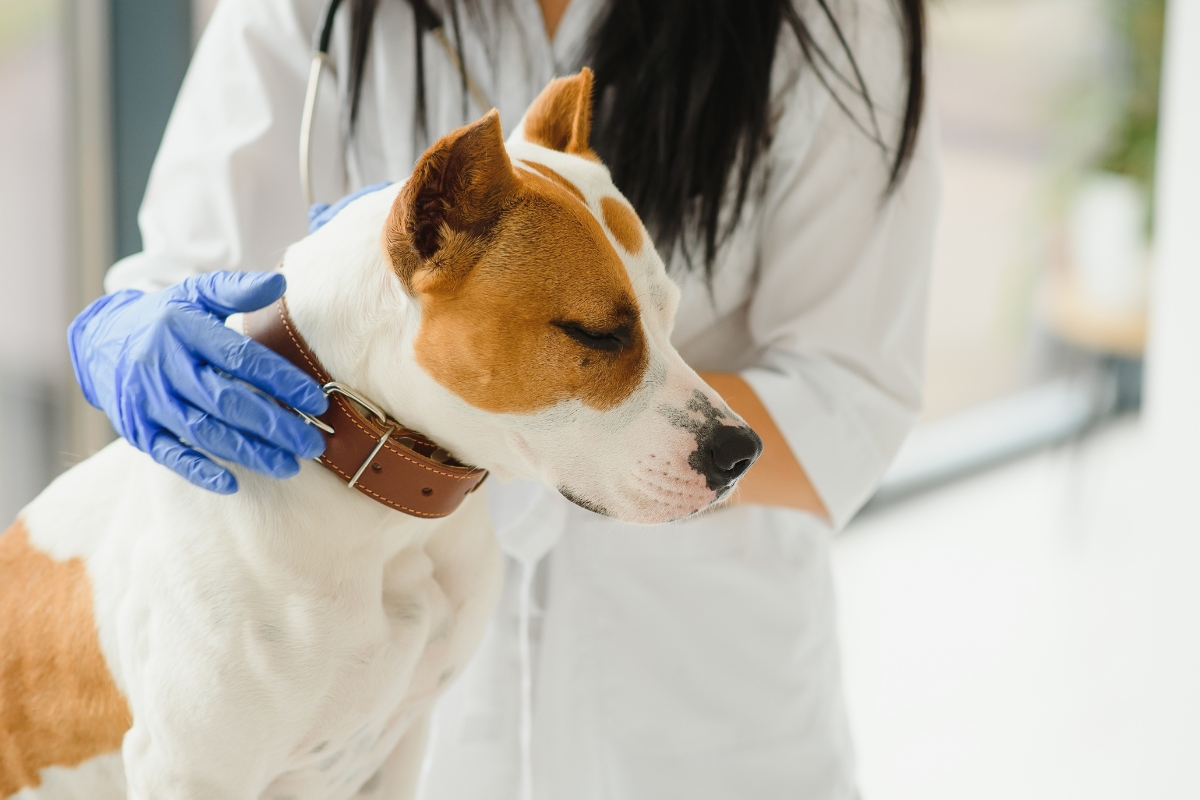
Routine veterinary checkups do more than keep vaccinations current. They help veterinarians establish a picture of a pet’s normal health, recognize subtle changes over time, and identify potential problems before they become more serious. Even when a dog or cat seems healthy, changes in weight, dental health, mobility, appetite, or behavior may indicate an underlying concern.
For pet owners, understanding the value of preventive veterinary care makes it easier to support a pet’s long-term well-being. Regular examinations also give you an opportunity to discuss small changes you have noticed at home, ask questions, and make informed decisions about your pet’s health.
Why Routine Vet Visits Matter for Healthy Pets
Pets often hide discomfort or show only subtle signs when something is wrong. A cat may become less active without an obvious reason, while a dog may continue eating despite developing dental discomfort. Without regular examinations, these changes can be easy to overlook.
Routine visits allow veterinarians to evaluate a pet’s overall condition and compare current findings with previous examinations. This history can help reveal patterns that might otherwise go unnoticed.
Preventive appointments may include:
- A physical examination and review of medical history
- Weight and body condition assessment
- Dental and oral health evaluation
- Vaccination and parasite prevention review
- Discussion of nutrition, activity, and behavior
- Diagnostic testing when indicated by age, history, or examination findings
The appropriate schedule depends on a pet’s age, lifestyle, medical history, and individual needs.
How Veterinarians Establish a Health Baseline
A health baseline is a record of your pet’s typical physical condition and relevant clinical measurements. It gives the veterinary team a point of comparison for future visits.
1. Tracking Weight and Body Condition
Gradual weight gain or loss can occur before other symptoms become noticeable. Regular weight checks help identify trends, while body condition assessments help determine whether a pet carries an appropriate amount of body fat.
Unexplained weight changes may be associated with nutritional issues, metabolic conditions, digestive problems, or other medical concerns. Your veterinarian can determine whether further evaluation is appropriate.
2. Checking Heart, Lungs, and Vital Signs
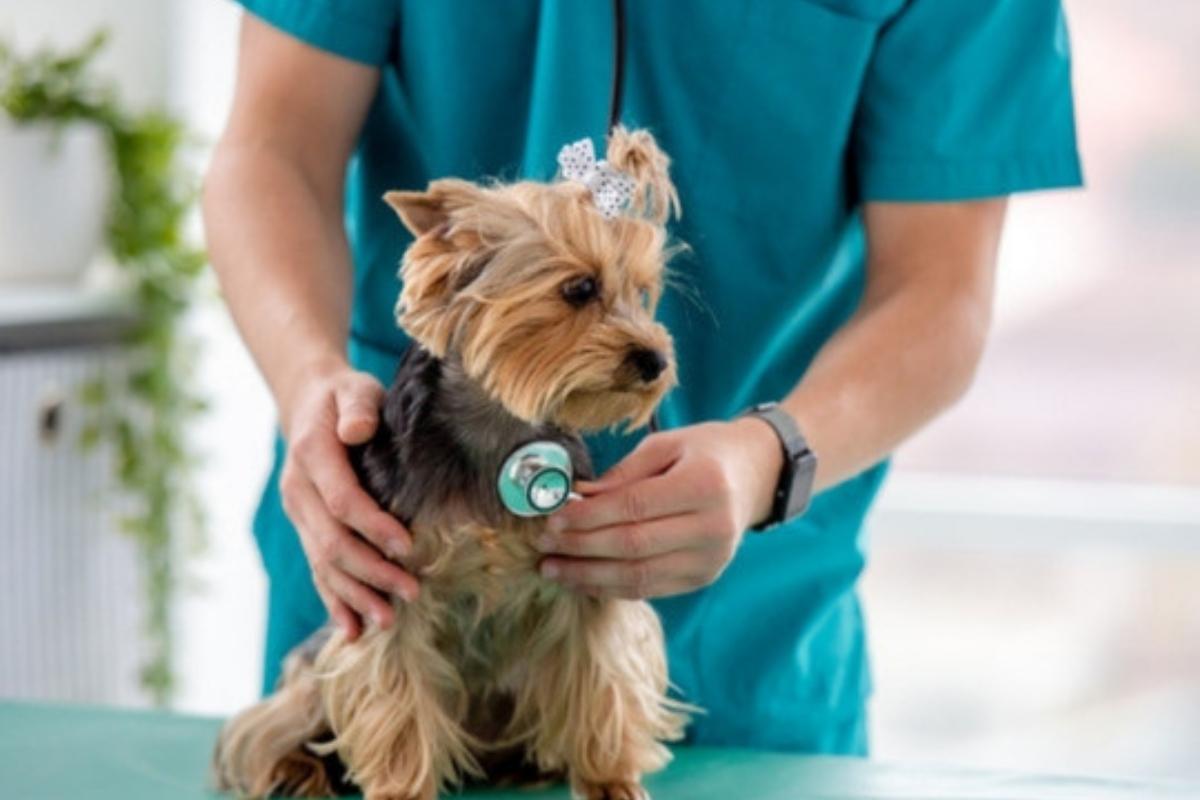
During an examination, the veterinarian listens to the heart and lungs and evaluates other relevant clinical signs. Comparing findings over time may help identify changes that warrant closer attention.
A single measurement does not necessarily indicate disease. Age, stress, activity, and the examination environment can influence some readings, so veterinarians interpret results in context.
3. Examining Teeth and Gums
Dental problems can develop gradually. Plaque buildup, inflamed gums, damaged teeth, and oral discomfort may progress even when pets continue eating.
Regular oral examinations help identify visible concerns and determine whether a more detailed dental assessment or professional cleaning is recommended.
4. Reviewing Mobility and Behavior
Changes in how a pet walks, jumps, climbs stairs, plays, or interacts with family members can provide useful health clues. Comparing current mobility with previous observations may help a veterinarian investigate possible joint discomfort, muscle weakness, or other concerns.
Owners should mention changes such as hiding, irritability, reduced play, increased thirst, or altered sleep patterns, even if these changes seem minor.
What Diagnostic Tests Can Reveal Before Symptoms Develop
A physical examination provides valuable information, but some conditions require additional testing to detect. Depending on a pet’s age, health history, and examination findings, a veterinarian may recommend:
- Bloodwork: A complete blood count and chemistry panel can help evaluate blood cells, organ function, and other indicators of health.
- Urinalysis: A urine sample can provide information about kidney function, urinary health, and certain metabolic conditions.
- Parasite testing: Fecal testing and heartworm testing can help identify infections that may not cause obvious early symptoms.
- Additional imaging or tests: Ultrasound, X-rays, or other diagnostic procedures may be appropriate when a physical examination or medical history raises a concern.
Not every pet needs every test at every visit. The veterinary team determines which evaluations are appropriate based on individual risk factors and clinical findings. Belton Animal Clinic & Exotic Care Center describes comprehensive examinations, bloodwork, intestinal parasite testing, heartworm testing, and urinalysis among its preventive health services. beltonanimal.com+1
How Often Should Pets Have Routine Checkups?
The ideal schedule varies by age, species, lifestyle, and medical history.
- Puppies and kittens: Frequent visits during early development help monitor growth, begin vaccination schedules, and discuss parasite prevention.
- Healthy adult pets: Many benefit from a wellness examination at least once a year.
- Senior pets: Older animals may benefit from examinations every six months because age-related changes can develop gradually.
- Pets with ongoing health conditions: More frequent appointments or monitoring may be recommended based on the condition and treatment plan.
Your veterinarian can recommend a schedule that reflects your pet’s needs rather than relying on age alone. beltonanimal.com+1
How Pet Owners Can Help Detect Health Changes at Home
You know your pet’s everyday habits better than anyone. Sharing observations with your veterinarian can make routine visits more useful.
Before an appointment, consider noting:
- Changes in appetite, thirst, or bathroom habits
- Unexpected weight gain or loss
- Vomiting, diarrhea, or changes in stool
- New lumps, skin irritation, or unusual odors
- Difficulty walking, jumping, or climbing stairs
- Changes in sleep, energy, social behavior, or grooming
Bring a list of medications and supplements, previous test results if available, and questions you want to discuss. Photos or short videos can also help demonstrate intermittent symptoms that may not occur during the appointment.
Routine checkups are valuable, but they are not a reason to wait when a problem appears. Difficulty breathing, collapse, seizures, severe bleeding, or repeated unproductive retching require immediate veterinary attention. Contact a veterinarian promptly for other new or worsening symptoms.
Supporting Your Pet’s Long-Term Health
Regular examinations help build a clearer picture of your pet’s health over time. By combining physical assessments, appropriate diagnostic tests, and observations from home, veterinarians can identify concerning changes and recommend next steps before problems become more difficult to manage.
For pet owners in Belton, MO, consistent wellness visits with a trusted veterinary team can support earlier detection, individualized preventive plans, and informed decisions throughout a pet’s life. Schedule your appointment with Belton Animal Clinic & Exotic Care Center to discuss your pet’s wellness needs and establish an appropriate checkup schedule.
Frequently Asked Questions
Q1. Can a veterinarian detect illness before my pet shows symptoms?
Ans: Yes. Physical examinations and appropriate diagnostic tests can reveal abnormalities before obvious symptoms develop. Belton Animal Clinic & Exotic Care Center offers wellness examinations and diagnostic testing to help evaluate pets’ health and identify concerns that may need follow-up.
Q2. How often should a healthy dog or cat visit the veterinarian?
Ans: Many healthy adult dogs and cats benefit from annual wellness exams. Puppies, kittens, senior pets, and animals with medical conditions may need more frequent visits. Your veterinarian can recommend a schedule based on your pet’s individual needs.
Q3. What tests help identify health problems early in pets?
Ans: Depending on the pet, tests may include bloodwork, urinalysis, fecal testing, and heartworm testing. Additional diagnostics may be recommended when examination findings or medical history indicate a need.
Q4. Are routine checkups necessary if my pet seems healthy?
Ans: Yes. Pets may hide discomfort, and some conditions cause few noticeable signs in their early stages. Routine examinations help establish a baseline and provide opportunities to review preventive health needs.
Q5. Do senior pets need more frequent wellness exams?
Ans: Often, yes. Age-related changes involving mobility, weight, organ function, and behavior may develop gradually. Many senior pets benefit from checkups about every six months, although the ideal frequency depends on their health.
Q6. What should I bring to my pet’s wellness appointment?
Ans: Bring your pet’s medication list, relevant medical records, and notes about changes in appetite, activity, thirst, or behavior. Belton Animal Clinic & Exotic Care Center can use this information alongside the examination to help determine which preventive measures or diagnostic tests may be appropriate.