Pets can’t tell us when something feels off. Often, the earliest signs of illness are subtle — a small change in appetite, behavior, or energy level. While these changes may seem minor, they can signal underlying health issues that aren’t visible on the surface. That’s why veterinary diagnostic testing plays a critical role in identifying hidden illnesses early.
At Belton Animal Clinic & Exotic Care Center, our veterinary team focuses on proactive care and advanced diagnostics to protect the long-term health of pets throughout the Belton, MO community. Below, we’ll explore the most common diagnostic tests veterinarians rely on to uncover hidden medical conditions before they become serious.
Why Diagnostic Testing Is So Important
Diagnostic tests give veterinarians a clearer picture of what’s happening inside your pet’s body. Many diseases develop silently, without obvious symptoms. Early detection allows for faster treatment, improved outcomes, and often lower medical costs in the long run.
Routine diagnostics are especially important for:
- Senior pets
- Exotic animals
- Pets with chronic conditions
- Animals showing subtle or unexplained changes
Physical Exams: The Foundation of Diagnosis
Every diagnostic process begins with a thorough physical examination. During this exam, the veterinarian evaluates your pet’s weight, coat condition, heart rate, breathing, mobility, and abdominal area. While a physical exam alone may not uncover hidden illness, it often reveals clues that guide further testing.
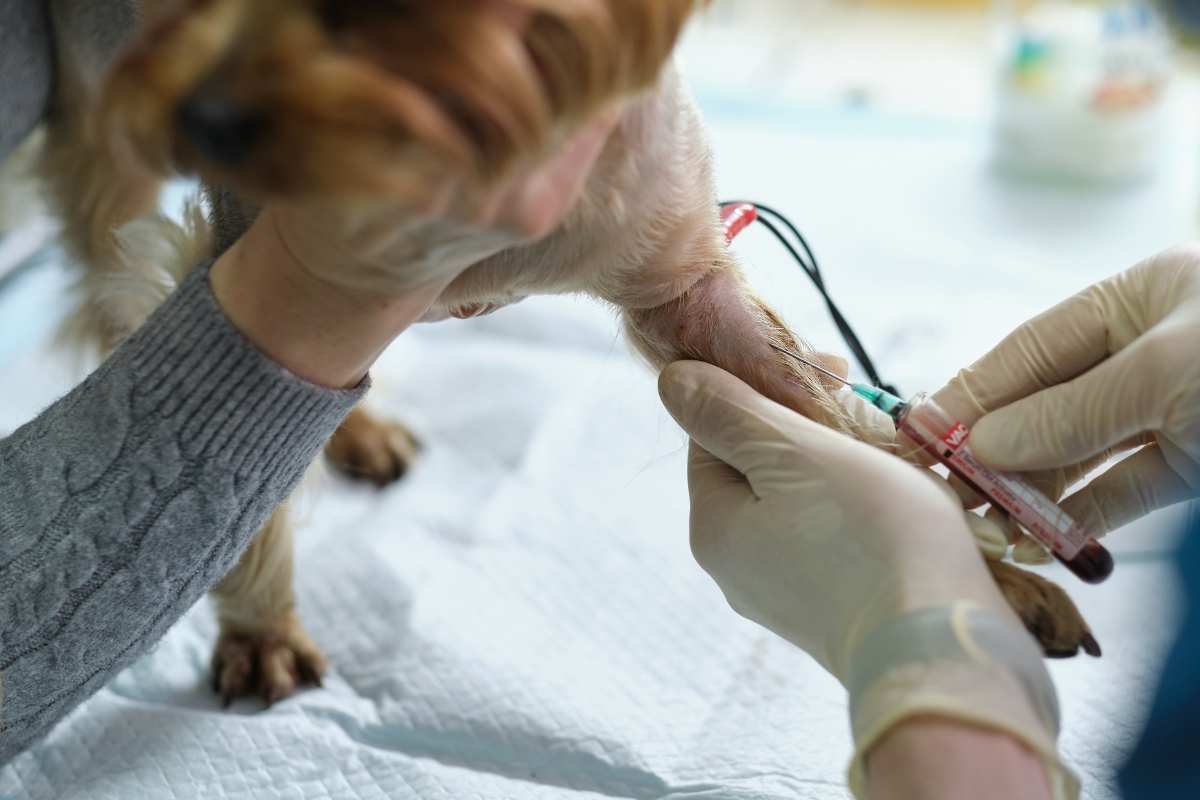
Bloodwork: A Powerful Diagnostic Tool
Blood tests are among the most effective ways to detect internal health problems.
Complete Blood Count (CBC)
A CBC evaluates red and white blood cells and platelets. This test helps identify:
- Infections
- Inflammation
- Anemia
- Immune system disorders
Blood Chemistry Panel
This panel assesses organ function and metabolic health. It can reveal early signs of:
- Kidney disease
- Liver disease
- Diabetes
- Dehydration
- Electrolyte imbalances
Routine bloodwork is especially valuable for detecting illness before symptoms appear, making it a cornerstone of preventative veterinary care.
Urinalysis: Insight into Kidney and Bladder Health
Urinalysis examines urine concentration, chemical composition, and microscopic content. This test is essential for evaluating:
- Kidney function
- Urinary tract infections
- Bladder stones
- Diabetes
Because kidney disease often progresses quietly, urinalysis can detect problems long before outward signs develop.
Fecal Testing: Identifying Hidden Parasites
Internal parasites are more common than many pet owners realize. A fecal exam checks stool samples for parasite eggs or organisms, including:
- Roundworms
- Hookworms
- Whipworms
- Giardia
- Coccidia
Some pets may carry parasites without obvious symptoms, making routine fecal testing an important part of wellness care — especially for puppies, kittens, and exotic species.
X-Rays (Radiographs): Seeing Beyond the Surface
Radiographs provide images of bones and internal organs, helping veterinarians detect:
- Bone fractures or arthritis
- Heart enlargement
- Lung disease
- Tumors
- Bladder stones
X-rays are often recommended when pets show signs such as limping, coughing, breathing difficulties, or unexplained weight loss.
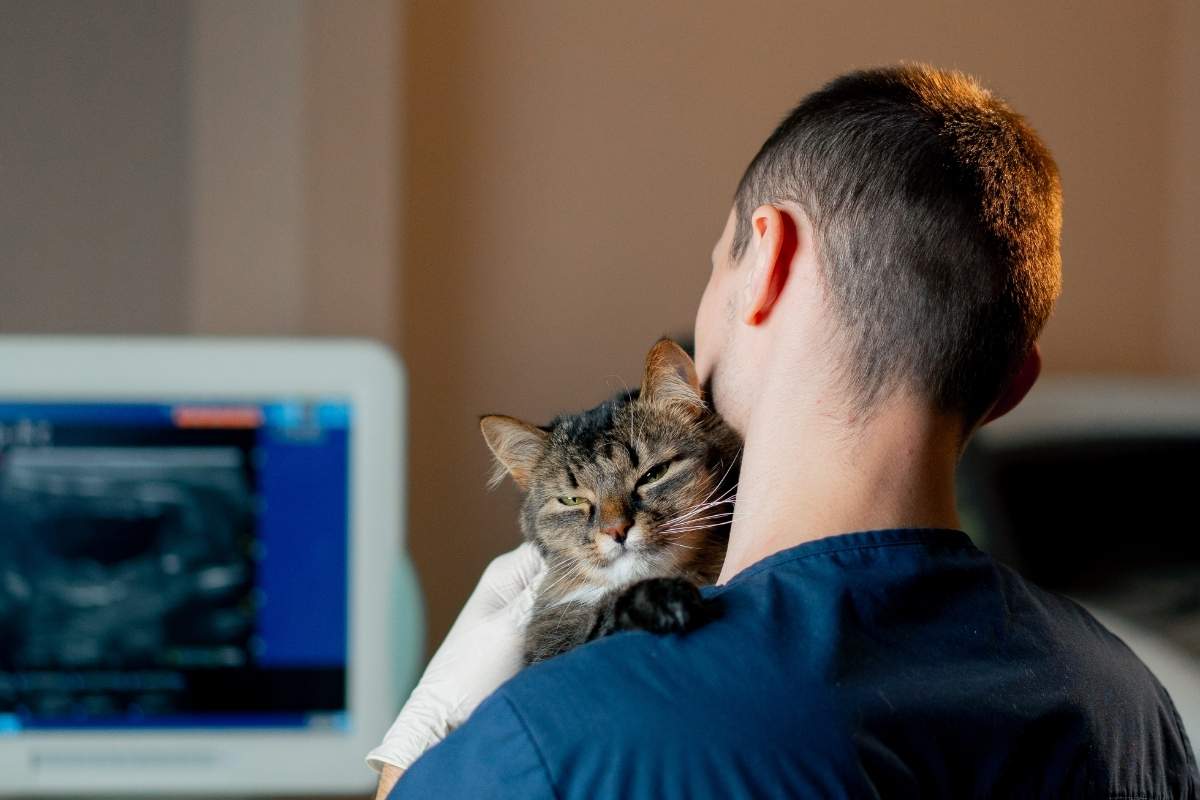
Ultrasound: Detailed Internal Imaging
Ultrasound offers a closer look at soft tissues and internal organs. This non-invasive diagnostic tool is commonly used to evaluate:
- Liver and spleen abnormalities
- Kidney and bladder conditions
- Gastrointestinal issues
- Heart function (echocardiograms)
Ultrasound allows veterinarians to detect masses, fluid accumulation, and organ changes that may not appear on X-rays.
Advanced Diagnostic Testing
In certain cases, additional testing may be recommended for accurate diagnosis.
Electrocardiograms (ECG/EKG)
Used to evaluate heart rhythm and detect cardiac abnormalities.
Blood Pressure Monitoring
High blood pressure can indicate kidney disease, heart disease, or endocrine disorders.
Cytology and Biopsy
Samples taken from skin growths, lumps, or organs help diagnose infections, inflammation, or cancer.
These advanced diagnostics allow veterinarians to create precise treatment plans tailored to each pet’s condition.
Preventative Diagnostics Save Lives
Routine diagnostic testing isn’t just for sick pets — it’s a powerful preventative tool. Annual wellness testing can catch disease early, often before symptoms appear. Early detection leads to better treatment options and improved quality of life.
Pet diagnostic care is especially critical, as many species instinctively hide signs of illness until conditions are advanced.
Compassionate Diagnostic Care You Can Trust
With modern equipment, experienced veterinarians, and individualized care plans, Belton Animal Clinic & Exotic Care Center is dedicated to helping pets live healthier, longer lives. Whether your pet needs routine screening or advanced diagnostics, early evaluation can make all the difference.
Don’t wait for symptoms to worsen. Book an appointment with Belton Animal Clinic & Exotic Care Center to ensure your pet receives the diagnostic care they deserve.
FAQs
Q1. What are the most common diagnostic tests for pets?
Ans. Veterinarians commonly use bloodwork, urinalysis, fecal tests, X-rays, and ultrasounds to detect hidden illnesses in pets. Advanced testing like ECGs or biopsies, may also be recommended for complex conditions.
Q2. How often should my pet have diagnostic tests?
Ans. Routine testing is usually recommended annually for healthy adult pets, but senior pets, exotic animals, or pets with chronic conditions may require more frequent evaluations to catch disease early.
Q3. Can diagnostic tests detect illness before symptoms appear?
Ans. Yes. Many tests, including blood panels and urinalysis, can reveal early-stage illnesses such as kidney or liver disease, diabetes, and infections, even before outward signs are noticeable.
Q4. Are diagnostic tests safe for exotic pets?
Ans. Absolutely. Veterinarians at Belton Animal Clinic & Exotic Care Center use specialized diagnostic approaches for exotic pets like rabbits, reptiles, and birds, ensuring safe and effective evaluation.
Q5. What should I do if my pet’s test results are abnormal?
Ans. Your veterinarian will discuss the results, explain potential conditions, and recommend a personalized treatment plan. Early intervention often leads to better outcomes and improved quality of life.