Anesthesia allows veterinarians to perform many procedures while keeping cats unconscious, comfortable, and free from pain. However, because anesthesia can affect breathing, heart function, blood pressure, and body temperature, careful monitoring is essential throughout surgery. Understanding how veterinary teams monitor these changes can help cat owners feel more prepared when a procedure is recommended.
At Belton Animal Clinic & Exotic Care Center, helping pet owners understand their cats’ healthcare needs is an important part of informed veterinary care. Learning how anesthesia works, what monitoring equipment does, and how recovery is managed can help you make confident decisions about your cat’s treatment.
Why Do Cats Need Anesthesia During Surgery?
General anesthesia allows a cat to remain unconscious and still during procedures that would otherwise cause pain or distress. Veterinarians may recommend it for soft tissue surgery, certain diagnostic procedures, dental treatments, and other necessary interventions.
Although modern anesthetic protocols are designed to reduce risks, every cat responds differently. Age, weight, underlying medical conditions, current medications, and the type of procedure can influence how anesthesia is planned. This is why veterinary surgery requires an individualized approach rather than a one-size-fits-all protocol.
How Veterinarians Prepare Cats for Anesthesia
Monitoring begins before a cat enters the operating room. A preanesthetic assessment helps the veterinary team identify potential concerns and select appropriate medications.
Preparation may include:
- Physical examination: The veterinarian evaluates the heart, lungs, hydration, and general health.
- Blood testing: Recommended laboratory tests can help assess organ function, blood cell counts, and other factors that may affect anesthetic planning.
- Medical history review: Previous reactions to medications, existing conditions, and current prescriptions are considered.
- Individualized anesthetic planning: The team selects suitable medications, calculates doses, and determines what monitoring and supportive care the cat may need.
Your veterinarian will also explain fasting instructions, medication adjustments, and any additional testing recommended for your cat. Always follow the clinic’s specific instructions rather than withholding food, water, or prescribed medication on your own.
How Vets Monitor Cats During Surgery
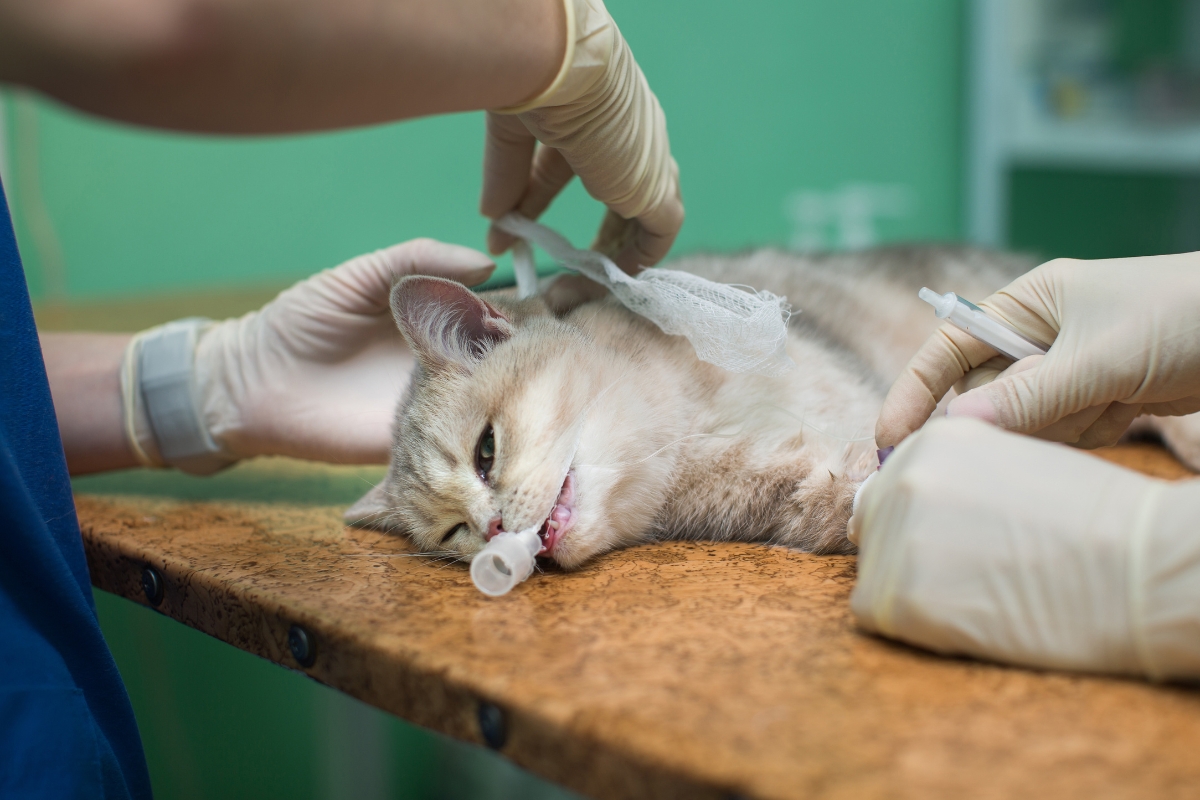
Once anesthesia begins, trained veterinary personnel monitor the cat’s vital signs and anesthetic depth. Monitoring equipment provides important measurements, while direct observation helps the team interpret changes and respond promptly.
1. Heart Rate and Heart Rhythm
Anesthesia can change a cat’s heart rate and rhythm. The veterinary team monitors the pulse and may use an electrocardiogram (ECG) to assess the heart’s electrical activity.
These measurements help identify abnormal rhythms or unexpected changes that may require further evaluation or treatment.
2. Blood Pressure
Blood pressure monitoring helps veterinarians assess whether blood is circulating adequately to vital organs. Some anesthetic medications can lower blood pressure, so readings are checked during the procedure.
If blood pressure falls outside the desired range, the team may adjust anesthetic medications, assess fluid needs, or provide other supportive treatment based on the cat’s condition.
3. Oxygen Levels
A pulse oximeter measures the percentage of hemoglobin carrying oxygen in the blood. A small sensor is typically placed on an appropriate area, such as the tongue or another suitable tissue.
This information helps the team assess oxygenation and identify potential problems. Oxygen supplementation may also be provided as part of the anesthetic plan.
4. Breathing and Carbon Dioxide Levels
Anesthesia can reduce breathing effort, making respiratory monitoring especially important. Veterinary professionals observe breathing patterns and may use capnography to measure carbon dioxide in exhaled air.
Carbon dioxide readings provide information about ventilation, or how effectively the cat is moving air in and out of the lungs. Changes may prompt the team to check the airway, adjust anesthetic delivery, or assist breathing when necessary.
5. Body Temperature
Cats can lose body heat during anesthesia because of reduced activity, exposure to the surgical environment, and medication effects. Low body temperature can delay recovery and affect normal body functions.
The team measures temperature and may use suitable warming equipment, such as circulating warm-air systems or other veterinary warming devices. Temperature is checked throughout the anesthetic period and recovery.
6. Depth of Anesthesia
Veterinarians assess whether the cat remains at an appropriate level of anesthesia. They consider physical signs such as muscle tone, eye position, and reflexes, alongside vital signs and anesthetic delivery.
The goal is to maintain adequate unconsciousness for the procedure while avoiding unnecessarily deep anesthesia. Monitoring results help guide adjustments as the surgery progresses.
What Happens After Surgery?
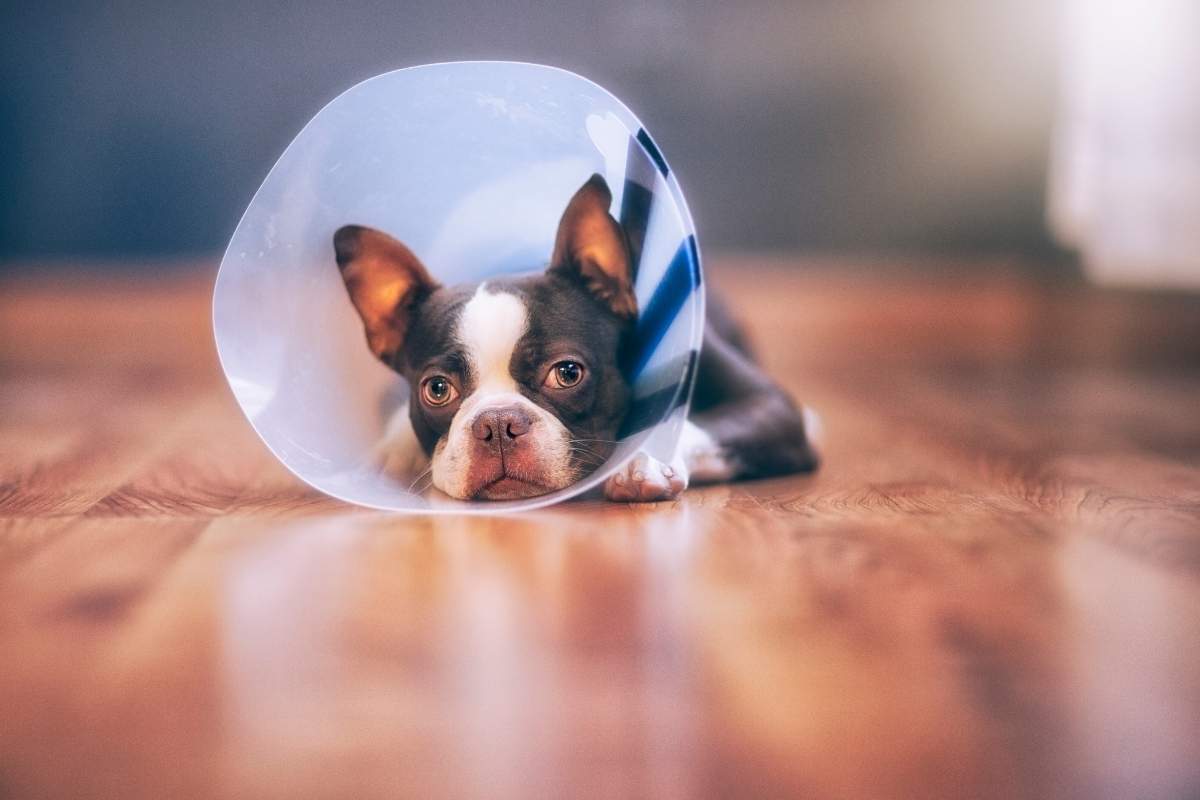
Monitoring continues after the procedure ends. A cat may remain sleepy, unsteady, or quieter than usual while anesthetic medications wear off. Veterinary personnel observe breathing, circulation, temperature, alertness, and comfort during recovery.
Before discharge, the team provides instructions for rest, feeding, medication, incision care, and follow-up appointments. At home, contact your veterinarian promptly if your cat has worsening lethargy, repeated vomiting, poor appetite that persists, or concerns about the surgical site. Labored breathing, collapse, or unresponsiveness requires immediate veterinary attention.
Follow your clinic’s discharge instructions and seek guidance if your cat’s recovery does not seem to be progressing as expected.
How Cat Owners Can Help Reduce Anesthesia Risks
You can support your cat’s safety by sharing complete medical information with the veterinary team. Tell the veterinarian about previous anesthetic reactions, ongoing health conditions, supplements, and all medications your cat receives.
Ask questions about preanesthetic testing, monitoring during surgery, pain control, and recovery expectations. Do not give human pain relievers or change prescribed medications without veterinary guidance, as some products can be dangerous for cats.
Anesthesia monitoring is an essential part of feline surgical care. By tracking heart function, blood pressure, oxygenation, breathing, temperature, and anesthetic depth, veterinary teams can identify concerning changes and respond as needed. Although monitoring cannot eliminate every risk, individualized planning and attentive care help support safer procedures and recovery.
For cat owners in Belton, MO, Belton Animal Clinic & Exotic Care Center can be a resource for discussing your cat’s surgical needs, preparation, and recovery. Schedule your appointment to discuss your cat’s health and the questions you have about anesthesia.
Frequently Asked Questions
Q1. Is anesthesia safe for cats?
Ans: Anesthesia carries some risk, but preanesthetic assessment, individualized drug selection, and appropriate monitoring help reduce complications. Your veterinarian can explain your cat’s specific risk factors.
Q2. How do vets monitor a cat’s breathing during surgery?
Ans: Veterinary teams observe breathing and may use capnography to measure exhaled carbon dioxide. Oxygen levels are also monitored, and breathing support is provided when needed.
Q3. Do older cats have a higher risk under anesthesia?
Ans: Older cats may have age-related health conditions that affect anesthetic risk. A physical examination and appropriate diagnostic testing help veterinarians tailor the plan to each cat’s needs.
Q4. How long does it take a cat to recover from anesthesia?
Ans: Many cats become more alert over several hours, but recovery time varies with the medications used, procedure length, body temperature, and overall health. Follow your veterinarian’s instructions and report unexpected changes.
Q5. Why does my cat need bloodwork before surgery?
Ans: Bloodwork can reveal abnormalities involving red blood cells, kidney function, liver function, and other health indicators. Results help the veterinarian assess risks and determine whether additional precautions are appropriate.
Q6. Where can I discuss anesthesia monitoring for my cat in Belton, MO?
Ans: Belton Animal Clinic & Exotic Care Center can help you discuss your cat’s surgical needs, preparation, and aftercare. Contact the clinic to ask about recommended evaluations and the monitoring approach appropriate for your cat.