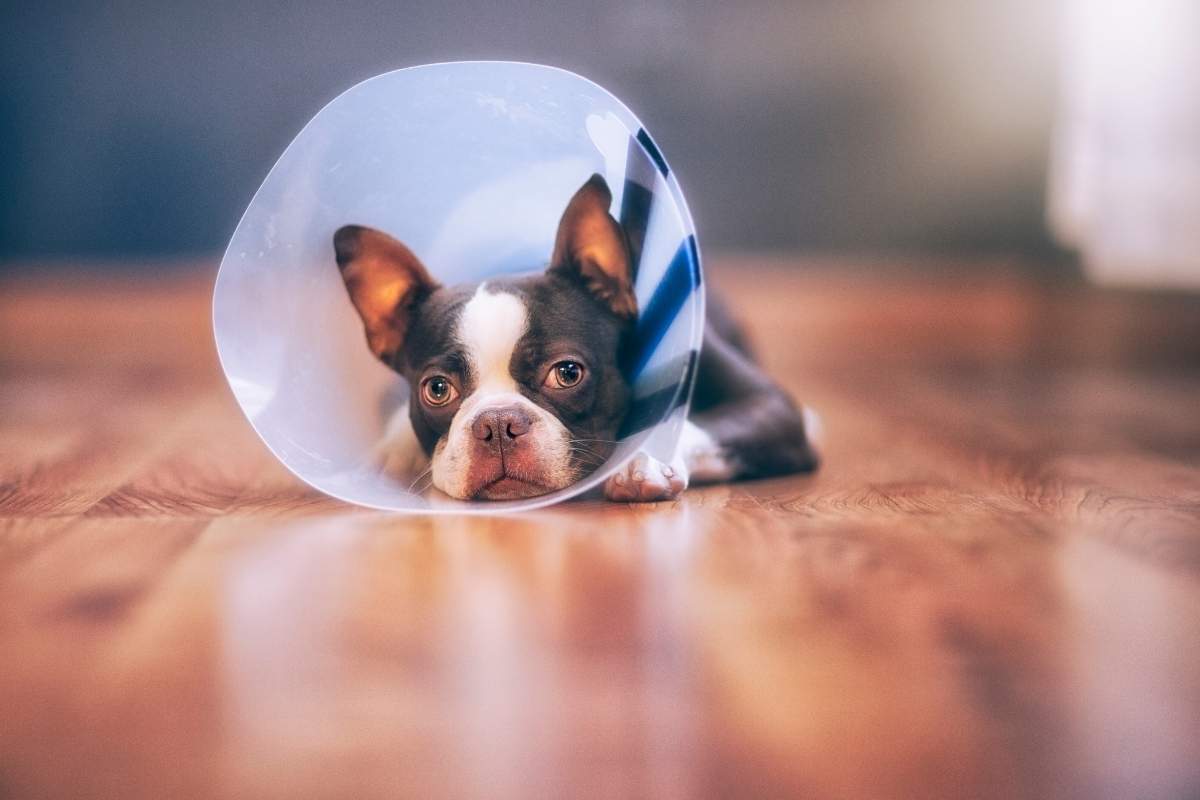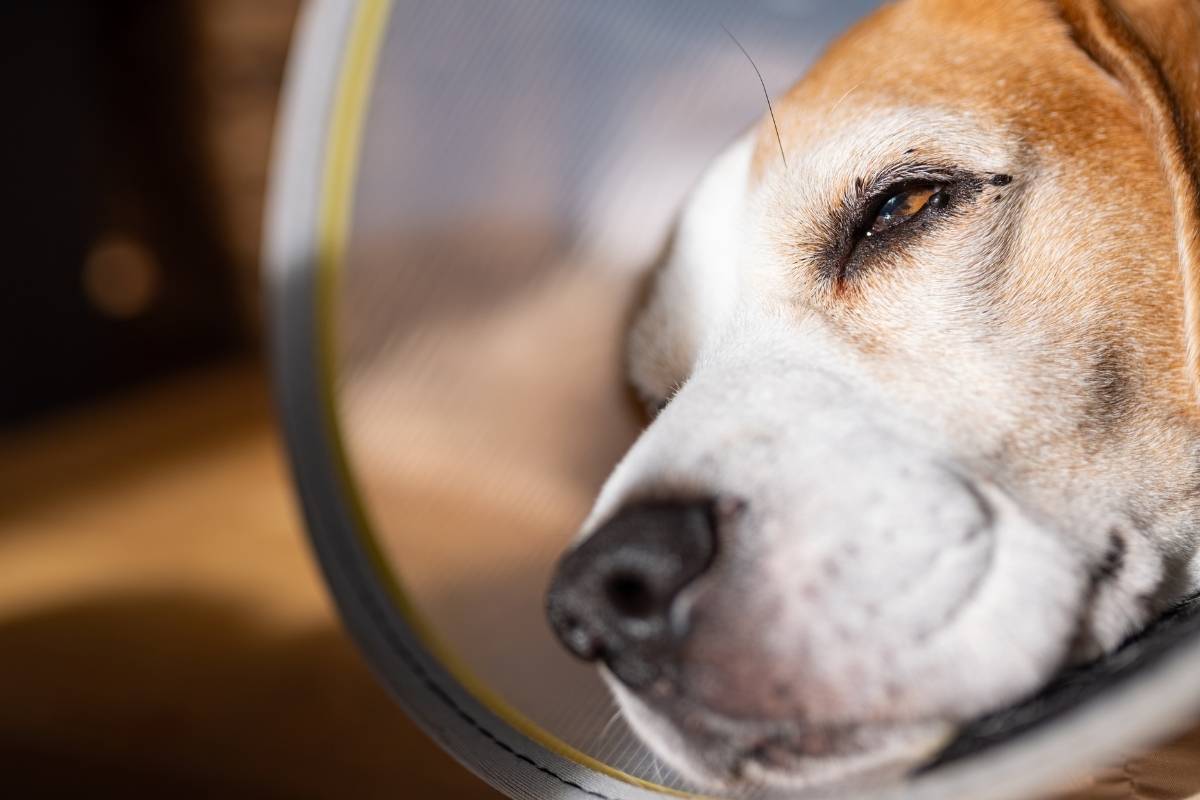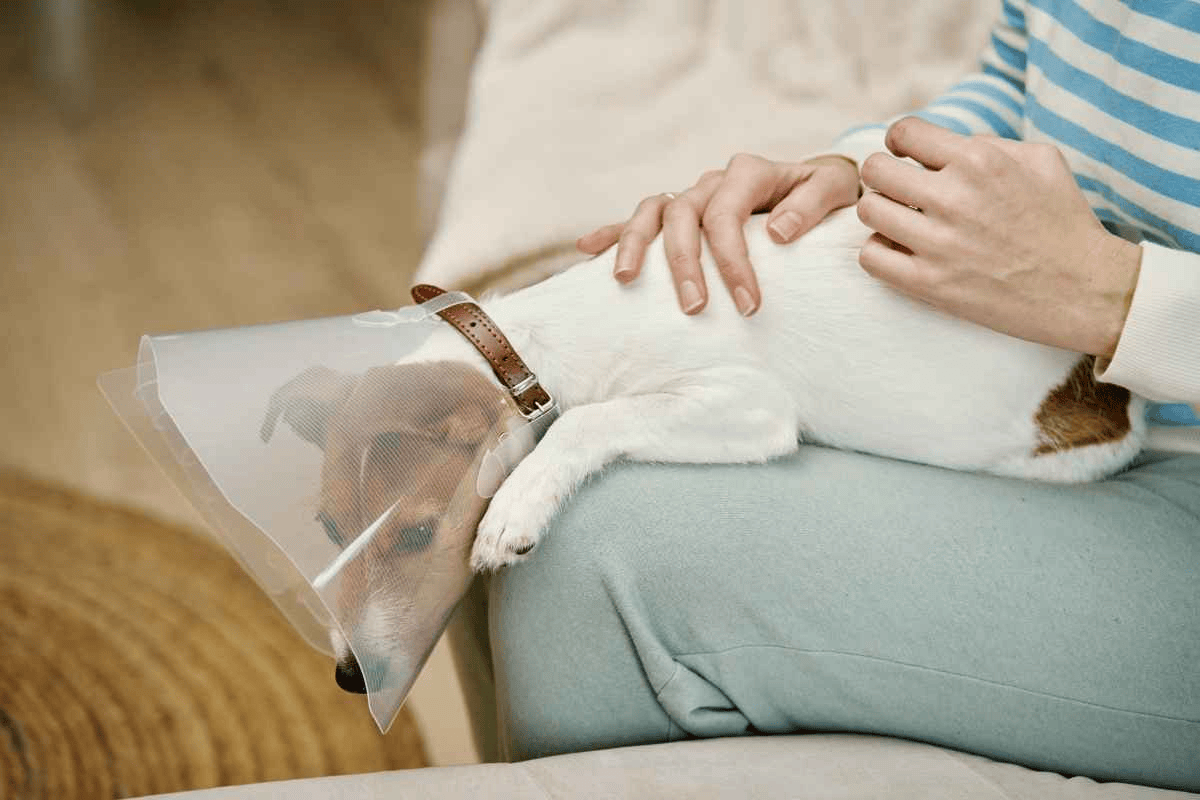
Recovery after surgery involves much more than rest and medication. Nutrition plays an essential role in helping dogs heal, regain strength, and reduce the risk of complications. After oral or abdominal surgery, many dogs experience temporary discomfort that makes eating their regular food difficult. Choosing the right soft foods can encourage your dog to eat while providing the nutrients needed for tissue repair and recovery.
Following pet surgery, veterinarians often recommend a temporary diet that is easy to chew, swallow, and digest. The ideal food depends on the type of procedure, your dog’s overall health, and your veterinarian’s specific instructions. Understanding which foods are appropriate and how to transition back to a regular diet can help support a smoother recovery.
This guide explains why soft foods are recommended, which options are generally safe, feeding tips during recovery, foods to avoid, and signs that indicate your dog may need additional veterinary care.
Why Diet Matters After Surgery
The body requires additional energy and nutrients while healing. Proper nutrition supports several important recovery processes, including:
- Tissue repair
- Immune function
- Wound healing
- Muscle maintenance
- Healthy digestion
- Energy production
If a dog refuses food because chewing is painful or digestion is sensitive, recovery may take longer. Offering appropriate soft foods can improve comfort while helping your dog maintain adequate nutrition.
Why Soft Foods Are Recommended
Soft foods place less stress on the mouth, stomach, and digestive tract during healing.
They may help by:
- Reducing chewing discomfort
- Minimizing irritation around surgical sites
- Supporting easier digestion
- Encouraging appetite
- Improving hydration when moisture content is higher
The length of time a soft diet is needed varies depending on the surgical procedure and your veterinarian’s recommendations.
Common Surgeries That May Require a Soft Diet
Several procedures may temporarily require dietary adjustments.
Oral Surgery
Examples include:
- Tooth extractions
- Oral tumor removal
- Jaw procedures
- Gum surgery
- Repair of oral injuries
Soft foods help avoid irritating healing tissues inside the mouth.
Abdominal Surgery
Examples include:
- Foreign body removal
- Intestinal surgery
- Stomach surgery
- Bladder surgery
- Spleen surgery
These procedures often require foods that are gentle on the digestive system while healing occurs.
Characteristics of a Good Recovery Diet
A recovery diet should be:
- Soft in texture
- Highly digestible
- Nutritionally balanced
- Easy to swallow
- Appealing to eat
- Appropriate for your dog’s medical condition
Always follow your veterinarian’s specific dietary recommendations.
Soft Foods Commonly Recommended by Veterinarians
Prescription Recovery Diets
Veterinary therapeutic recovery diets are specifically formulated for healing pets.
Benefits include:
- High-quality protein
- Easily digestible ingredients
- Increased calorie density
- Balanced vitamins and minerals
- Smooth texture
These diets are often recommended immediately after surgery.
Canned Dog Food
Many dogs recovering from surgery tolerate canned food better than dry kibble.
The higher moisture content also helps support hydration.
Moistened Dry Food
If your veterinarian approves, dry kibble can sometimes be softened using warm water before feeding.
Allow the food to soften completely before serving.
Boiled Chicken
Plain, skinless boiled chicken may be recommended for short-term feeding in certain cases.
Avoid seasoning, butter, oils, garlic, or onions.
Plain White Rice
Cooked white rice is easy to digest and may be recommended alongside lean protein for dogs with temporary digestive sensitivity.
Plain Pumpkin
Plain canned pumpkin without added sugar or spices provides fiber that may support healthy digestion when recommended by your veterinarian.
Prescription Gastrointestinal Diets
Some dogs recovering from abdominal surgery benefit from veterinary diets formulated for digestive health.
Foods to Avoid During Recovery
Certain foods can interfere with healing or upset your dog’s digestive system.
Avoid feeding:
- Bones
- Rawhide chews
- Hard treats
- Table scraps
- Fatty foods
- Spicy foods
- Fried foods
- Raw meat unless specifically directed
- Chocolate
- Grapes and raisins
- Xylitol-containing foods
Avoid introducing new foods without veterinary approval.
Feeding Tips After Surgery
Proper feeding techniques can improve comfort and reduce digestive upset.
Offer Small Meals
Instead of one or two large meals, offer smaller portions several times throughout the day.
This may improve digestion while encouraging your dog to eat.
Warm the Food Slightly
Warming food slightly may increase its aroma, making it more appealing for dogs with reduced appetite.
Ensure food is only slightly warm and never hot.
Provide Fresh Water
Hydration remains essential during recovery.
Ensure clean water is always available unless your veterinarian recommends otherwise.
Create a Calm Feeding Environment
Offer meals in a quiet area away from distractions.
Reducing stress may encourage reluctant eaters.
When Your Dog Refuses to Eat
Some appetite reduction is common immediately after anesthesia.
However, contact your veterinarian if your dog:
- Refuses food for more than 24 hours
- Refuses water
- Vomits repeatedly
- Appears unusually weak
- Has severe diarrhea
- Shows signs of pain while eating
Prompt evaluation helps identify any complications.
Transitioning Back to a Regular Diet
Your veterinarian will advise when it is appropriate to resume your dog’s normal food.
Most transitions occur gradually over several days.
A typical transition includes:
- Mostly recovery food initially
- Slowly increasing the amount of regular food
- Monitoring stool quality and appetite
- Returning to the normal diet only after healing progresses appropriately
Avoid making sudden dietary changes.
Nutrients That Support Healing
Several nutrients contribute to recovery.
Protein
Protein supplies amino acids needed for tissue repair and wound healing.
Healthy Fats
Healthy fats provide energy during recovery while supporting cell function.
Vitamins and Minerals
Balanced vitamins and minerals help maintain immune function and promote healing.
Water
Proper hydration supports circulation, digestion, and medication metabolism.
Monitoring Recovery at Home
In addition to eating, monitor:
- Energy level
- Water intake
- Bowel movements
- Urination
- Incision appearance
- Swelling
- Bleeding
- Signs of discomfort
Keeping a daily record may help identify changes early.
Proper nutrition is one of the most important aspects of helping your dog recover after oral or abdominal surgery. Soft, easily digestible foods can reduce discomfort, encourage eating, and provide the nutrients necessary for tissue repair and healing. Every dog’s recovery is different, so it is important to follow your veterinarian’s feeding recommendations and monitor your pet closely for any changes in appetite, digestion, or behavior. Gradually transitioning back to a regular diet only when advised can further support a smooth recovery. If you’re in Belton, MO, and need guidance from a vet near you on your dog’s post-surgical nutrition or recovery, schedule your appointment with Belton Animal Clinic & Exotic Care Center. Our team can provide personalized recommendations to help your dog heal comfortably and safely after surgery.
Frequently Asked Questions
Q1. How long should my dog eat soft food after surgery?
Ans: The duration depends on the type of surgery and your veterinarian’s instructions. Some dogs require only a few days, while others may need a soft diet for several weeks.
Q2. Can I feed my dog canned food after oral surgery?
Ans: Yes. Many veterinarians recommend canned food because it is easier to chew and swallow than dry kibble during recovery.
Q3. Is boiled chicken safe after surgery?
Ans: Plain, skinless boiled chicken may be appropriate for some dogs, but always follow your veterinarian’s dietary recommendations based on your dog’s specific procedure.
Q4. Why isn’t my dog eating after surgery?
Ans: Temporary appetite loss can occur after anesthesia or because of discomfort. If your dog refuses food for more than 24 hours or shows other concerning symptoms, contact your veterinarian.
Q5. Can I give treats during recovery?
Ans: Hard treats and chews should generally be avoided until your veterinarian confirms they are safe. Soft, veterinarian-approved treats may be recommended in some cases.
Q6. When can my dog return to a normal diet?
Ans: Your veterinarian will advise when healing has progressed enough to gradually transition back to your dog’s regular food.