After your pet undergoes surgery, one of the most critical and often underestimated parts of recovery is preventing them from licking, biting, or scratching the surgical site. What seems like harmless grooming behavior can actually introduce bacteria, reopen incisions, and significantly delay healing. In some cases, it can lead to serious complications that require additional medical attention.
Anti-lick devices are specially designed tools that prevent pets from reaching their wounds while still allowing them to move, eat, and rest as comfortably as possible. Choosing the right one depends on your pet’s size, temperament, the location of the incision, and the nature of the procedure.
This guide is written to help all pet owners navigate the many options available, whether you have a dog, cat, or another companion animal. If you are located in Belton, MO, Belton Animal Clinic & Exotic Care Center is ready to support your pet’s recovery every step of the way.
Why Preventing Licking After Surgery Matters
A pet’s instinct is to lick any area that feels unusual, including surgical wounds. While a dog’s or cat’s saliva does contain some minor antimicrobial properties, it also harbors a wide range of bacteria that can be harmful to open incisions. Persistent licking can:
• Cause wound dehiscence (reopening of the incision)
• Introduce infection-causing bacteria into the surgical site
• Remove sutures or staples prematurely
• Leads to self-inflicted trauma that worsens inflammation
• Significantly prolong healing time
Depending on the procedure, your veterinarian may recommend keeping an anti-lick device in place for anywhere from a few days to several weeks. It is important to follow that guidance closely, even if your pet seems to have settled down.
Types of Anti-Lick Devices: An Overview
There is no single best anti-lick device for every pet. Each option has its strengths, and the right choice often comes down to the individual animal, the surgery type, and how well your pet tolerates the device.
1. The Traditional E-Collar (Elizabethan Collar)
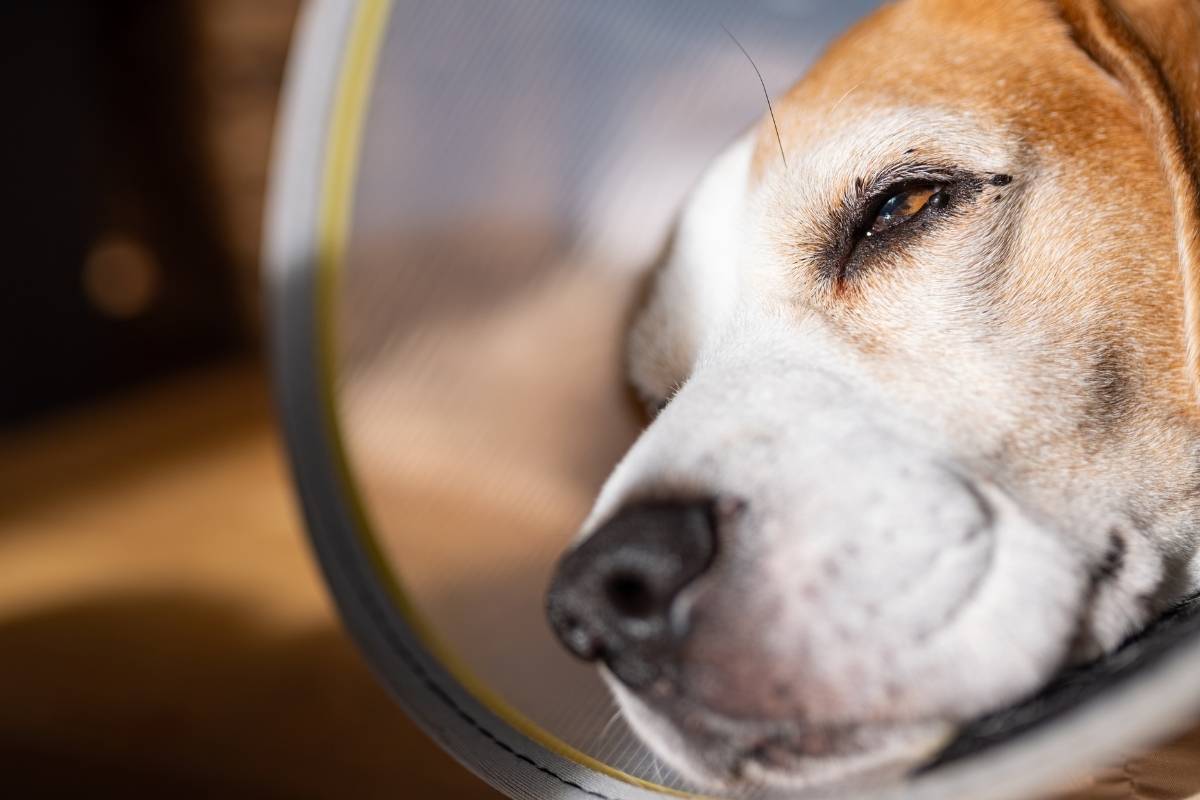
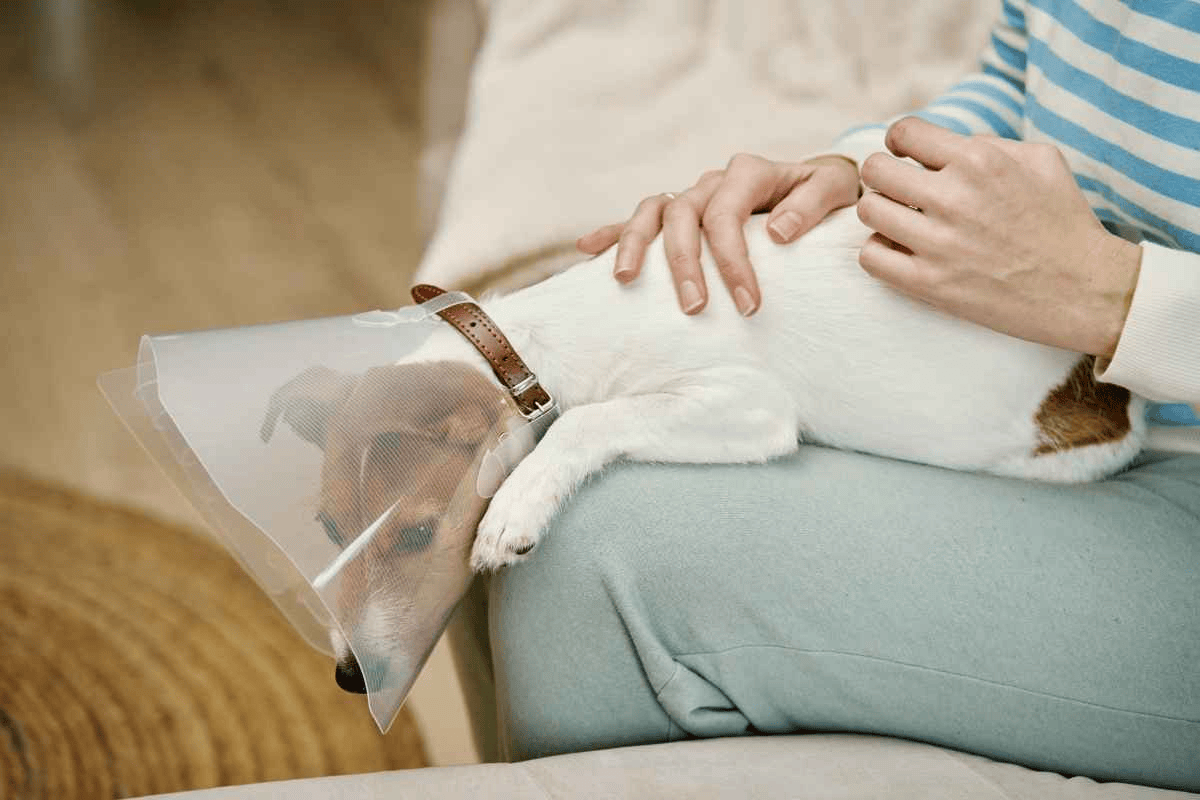
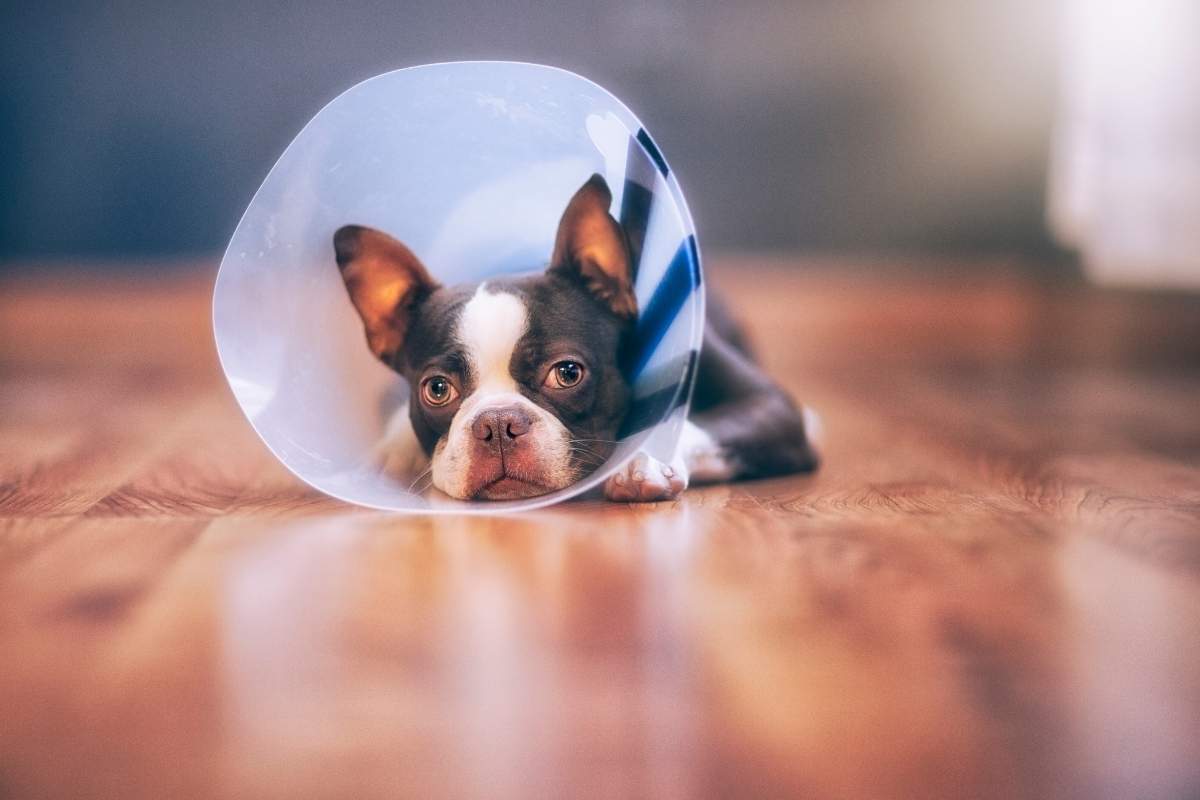
The classic cone-shaped collar — sometimes called the “cone of shame”, remains the most widely used anti-lick device for a reason: it is effective. Made from rigid plastic, it creates a wide barrier around the head that prevents the pet from reaching most areas of the body.
Best for: Most post-surgical incisions, especially those on the torso, limbs, or tail base.
Considerations: Some pets find it stressful and may have difficulty eating, drinking, or sleeping. It can also bump into furniture and walls, causing additional anxiety.
2. Soft E-Collars
Soft e-collars are made from flexible fabric or foam and offer a more comfortable alternative to rigid plastic. They still function as a cone barrier but are gentler on both the pet and the surrounding furniture.
Best for: Pets that are particularly anxious or stressed by hard plastic, or for wounds located on the torso and legs.
Considerations: They may not provide sufficient rigidity to stop a determined licker, especially in cats.
3. Inflatable Collars
Inflatable or donut-style collars wrap around the neck like a travel pillow. They are much less restrictive than traditional e-collars and allow pets to eat, sleep, and move more naturally.
Best for: Wounds on the back, sides, or rear of the body. Ideal for calmer pets that do not persistently try to reach the incision.
Considerations: They do not prevent a flexible cat or small dog from reaching wounds on the legs, abdomen, or head.
4. Recovery Suits and Body Wraps
Recovery suits, sometimes called surgical onesies, are snug-fitting garments that cover the torso and limit access to abdominal or chest incisions. They are increasingly popular as an alternative to e-collars for spay, neuter, and abdominal procedures.
Best for: Belly, chest, or flank incisions. Great for pets that strongly resist wearing any collar-style device.
Considerations: Require proper sizing to be effective, and should be kept clean and dry. Not suitable for all body types.
5. Anti-Lick Sprays and Bitter Deterrents
These topical sprays apply a bitter taste to the skin around the wound area to discourage licking. They should only be used under veterinary guidance, as some formulations are not safe for all wounds or skin types.
Best for: Minor wounds or as a supplemental measure alongside another anti-lick device.
Considerations: Effectiveness varies widely. Should never be applied directly to open wounds.
How to Choose the Right Device for Your Pet
Here are some practical factors to consider when selecting an anti-lick device after veterinary surgery:
• Location of the incision: Collar-style devices work well for body and limb wounds; recovery suits are better for abdominal incisions.
• Pet’s size and flexibility: Cats and small, flexible breeds may bypass inflatable collars with ease. A traditional e-collar may be necessary.
• Pet’s temperament: Anxious pets may benefit from softer, less restrictive options to reduce stress during recovery.
• Length of recovery: For extended recovery periods, comfort matters more; consider a softer or suit-style device.
• Activity level: High-energy dogs need a more secure, durable device than calm or elderly pets.
When in doubt, always ask your veterinarian for a recommendation based on the specific procedure your pet underwent.
Tips for Helping Your Pet Adjust
Even with the best device, many pets resist wearing anything unfamiliar. Here are some strategies to ease the transition:
• Introduce the device before surgery if possible, so your pet associates it with positive experiences.
• Use treats, calm praise, and gentle reassurance when putting the device on.
• Monitor your pet closely during the first few hours to ensure they can eat, drink, and breathe comfortably.
• Check the fit regularly; a device that is too loose may be bypassed; one that is too tight can cause discomfort.
• Keep the device clean and dry, especially if your pet eats or drinks with it on.
It is also important to limit your pet’s unsupervised time during the early recovery period, regardless of which device you are using. No tool is completely foolproof, and close monitoring remains the most reliable way to protect a healing wound.
Your pet’s post-operative care also falls under the broader umbrella of veterinary surgery aftercare, a phase that is just as important as the procedure itself. Following all discharge instructions, attending scheduled recheck appointments, and communicating any concerns promptly are all essential parts of a safe and smooth recovery.
Signs That Require Immediate Veterinary Attention
Even with an anti-lick device in place, complications can sometimes occur. Contact your veterinarian right away if you notice:
• Redness, swelling, or heat around the incision site
• Discharge that is yellow, green, or foul-smelling
• The wound appears to be opening, or sutures are missing
• Your pet is excessively pawing at the device or showing signs of extreme distress
• Lethargy, loss of appetite, or fever that does not improve
Timely communication with your care team is one of the most important parts of any post-surgical recovery plan.
Choosing the right anti-lick device is an important part of helping your pet recover safely and comfortably after surgery. Whether you opt for a traditional e-collar, a soft cone, an inflatable ring, or a recovery suit, the goal remains the same: protecting the wound long enough for healing to take place without interruption.
Every pet is different, and what works for one animal may not suit another. When in doubt, lean on the guidance of your veterinary care team, and do not hesitate to ask questions about your pet’s specific needs.
If you are in Belton, MO, and need guidance from a trusted vet near you on post-surgical recovery and the right anti-lick solution for your pet, schedule your appointment with Belton Animal Clinic & Exotic Care Center. Our team is here to guide you through every step of your pet’s recovery, from the operating table to a full return to health.
Frequently Asked Questions:
Q1. How long does my pet need to wear an anti-lick device after surgery?
Ans. This depends on the type of procedure and how quickly your pet heals. Most soft tissue surgeries require the device to be worn for 10 to 14 days until sutures are removed. Your veterinarian will advise the appropriate duration during discharge.
Q2. Can my pet sleep with the e-collar on?
Ans. Yes, in most cases, pets should wear their anti-lick device continuously, including during sleep, unless your veterinarian specifies otherwise. Many pets adjust to sleeping with the collar within a day or two.
Q3. My pet keeps removing the cone. What should I do?
Ans. If your pet is escaping from their device, it may not be the right fit or style for them. Contact your veterinarian to discuss alternatives, such as a recovery suit or a more secure collar style. Do not leave the wound unprotected.
Q4. Are anti-lick sprays safe to use directly on the wound?
Ans. No. Bitter deterrent sprays should never be applied directly to open or healing wounds, as they can interfere with tissue repair and cause irritation. They are meant for the skin surrounding the area, and only when recommended by a veterinarian.
Q5. Can I use a human T-shirt instead of a recovery suit for my dog?
Ans. In some cases, a snug-fitting T-shirt can serve as a temporary measure for abdominal incisions, but it is not a reliable substitute. It may come loose, get soiled, or fail to cover the wound adequately. A properly fitted recovery suit is always the safer choice.
Q6. How do I know if the e-collar fits correctly?
Ans. You should be able to fit two fingers comfortably between the collar and your pet’s neck. The collar should extend at least one to two inches beyond your pet’s nose to prevent them from reaching their body. If you are unsure, ask your veterinary team to check the fit before you leave the clinic.